
Small Space Storage Efficiency Calculator
Current Storage Assessment
Space Optimization Strategies
Your Storage Efficiency Report
Space potential: You could gain square feet of usable storage.
Decluttering impact: Removing unused items could free up of your space.
Optimization recommendation:
If you live in a small house, you know the struggle: closets overflow, surfaces turn into dumping grounds, and that one corner you thought was "just for decor" is now a junk drawer in disguise. The good news? You don’t need to move or spend thousands to fix it. The key isn’t more space-it’s smarter use of what you’ve got.
Start by Decluttering Like You Mean It
Before you buy a single shelf or bin, get rid of what you don’t need. Most small homes are packed with stuff people keep out of guilt, habit, or "just in case." That vintage toaster from 2003? The five pairs of jeans you haven’t worn since college? The stack of magazines from 2018? Let them go.
A simple rule: if you haven’t used it in 12 months, donate it, sell it, or recycle it. Don’t overthink it. You’re not saving memories-you’re blocking airflow, light, and movement. A study by the National Association of Professional Organizers found that 70% of households own items they never use. That’s not clutter-it’s wasted potential.
Try the one-in, one-out rule: every time you bring something new in, something older leaves. It keeps your space from creeping back toward chaos.
Use Vertical Space-All of It
Your walls aren’t just for pictures. They’re storage real estate. Go up, not out.
Install tall bookshelves that reach the ceiling. Use wall-mounted cabinets in the kitchen instead of bulky floor units. Hang hooks inside closet doors for bags, hats, or belts. In the bathroom, add a narrow shelf above the toilet for towels and toiletries. Even a 12-inch strip of wall space can hold a dozen items if you use the right holders.
Don’t forget the space above your fridge or washer. A slim storage cabinet or basket there can hold seasonal items like holiday decor or extra laundry detergent. In Wellington, where damp weather means you need to store wet coats and boots, a wall-mounted shoe rack near the entry is a game-changer.
Choose Furniture That Works Double Duty
Every piece of furniture in a small house should earn its keep. A sofa that pulls out into a bed? Good. A coffee table with hidden storage underneath? Even better.
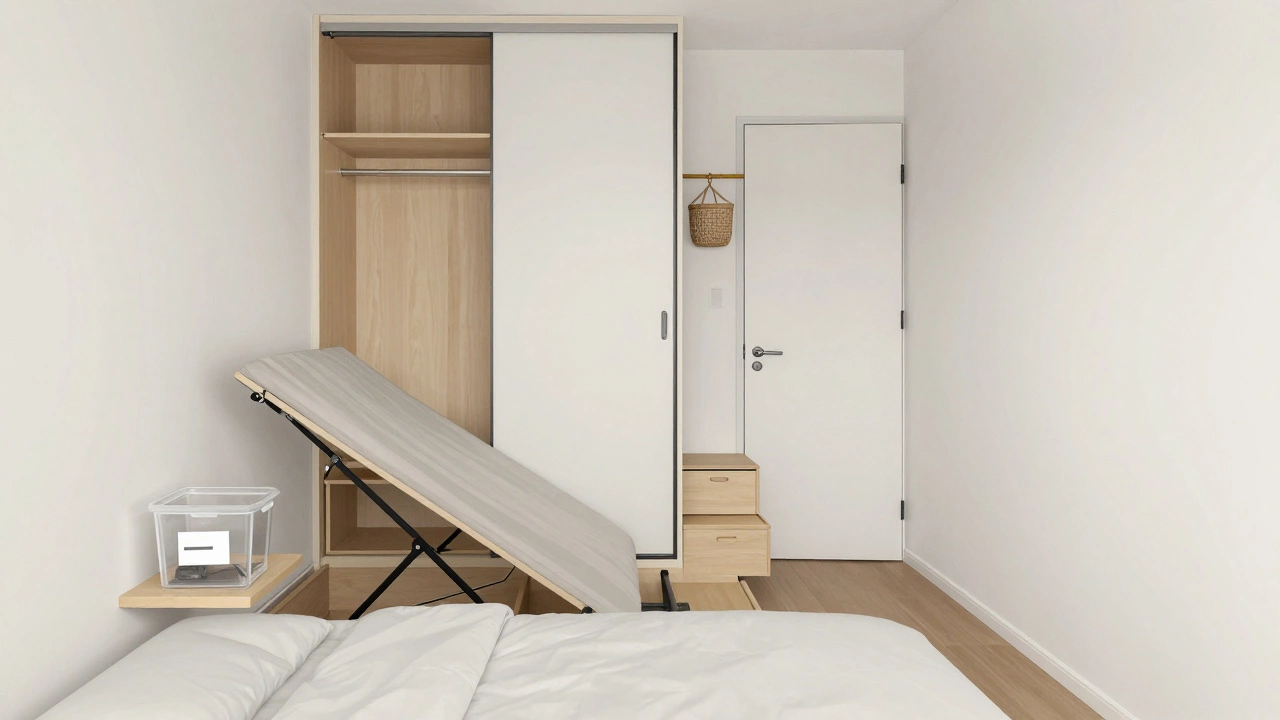
Look for beds with built-in drawers or lift-up hydraulic storage. These can hold off-season clothes, linens, or even suitcases. Ottoman benches? They’re perfect for storing blankets, board games, or kids’ toys. Even a window seat can double as a chest if you add a lift-top lid.
Opt for nesting tables instead of bulky side tables. Stack them when not in use. Get a dining table that folds down or extends only when needed. In a 600-square-foot home, furniture that shrinks when you’re not using it makes a huge difference.

Reimagine the Underused Corners
Those awkward corners? They’re not dead space-they’re hidden goldmines.
Put a corner shelf unit in the living room for books and plants. Use a narrow console table in a hallway for keys, mail, and a small lamp. In the bedroom, a corner dresser with a mirrored front saves space and doubles as a vanity.
Staircases in small homes are often overlooked. If you have stairs, install drawers or cabinets underneath each step. It’s not hard to do-many prefab kits are available for under $200. You’ll gain 3-5 cubic feet of storage per step, and no one will even notice.
Use Clear Containers and Label Everything
Storage bins are useless if you can’t find what’s inside. Clear plastic bins with snap-on lids let you see contents at a glance. Label them with chalkboard tape or a label maker. Don’t just write "kitchen stuff"-write "spices for pasta sauce" or "backup coffee filters."
Color-code your bins for quick sorting: blue for winter clothes, green for cleaning supplies, yellow for kids’ toys. This cuts down on rummaging time and keeps things tidy without constant effort.
Use stackable bins in the pantry, under the sink, and in the garage. Avoid cardboard boxes-they attract moisture and pests, especially in damp climates like Wellington’s. Plastic or fabric bins last longer and clean easier.
Install Custom Closet Systems
A standard closet with one rod and a shelf? That’s 20% of its potential. Modern closet systems let you customize every inch.
Add hanging rods at different heights. Use pull-out shoe racks. Install drawers for underwear and socks. Add hooks for belts and scarves. Even a simple kit from IKEA or The Container Store can turn a messy closet into a functional zone.
For small bedrooms, consider a wardrobe with sliding doors instead of swinging ones. They save floor space and look sleek. Use slim hangers to fit more clothes in the same space.
Pro tip: Store off-season clothes in vacuum-sealed bags under the bed. They take up almost no room and protect against moths.
Think Beyond the Floor
Storage doesn’t have to be in cabinets or drawers. Use the backs of doors, the tops of cabinets, and even the underside of stairs.
Hang a pegboard in the garage or laundry room for tools, cleaning supplies, or kids’ art kits. Mount magnetic strips in the kitchen for knives and metal utensils. Use tension rods under sinks to hang spray bottles. A hanging basket behind the bathroom door can hold toilet paper, hand towels, and hair tools.
Even your ceiling can help. In the garage or attic, install overhead racks for seasonal items like holiday lights or camping gear. Just make sure they’re securely anchored and don’t block vents or lights.
Keep It Visible, Keep It Simple
The most effective storage systems are the ones you actually use. If something’s too hard to reach, you won’t put it back. If it’s too messy to open, you’ll avoid it altogether.
Keep frequently used items at eye level. Store rarely used things higher up or lower down. Use open shelves for things you love to see-books, plants, ceramics. Closed cabinets hide clutter but still need to be organized inside.
One of the biggest mistakes people make? Trying to hide everything. In small homes, transparency and order matter more than concealment. A well-organized shelf with labeled bins looks intentional. A closet stuffed with unsorted piles looks like a disaster waiting to happen.
Final Tip: Do a Monthly 10-Minute Reset
Small spaces get messy fast. But you don’t need to deep-clean every week. Set a timer for 10 minutes once a month. Walk through each room. Put things back where they belong. Toss broken items. Wipe down surfaces.
That’s it. No grand overhaul. Just consistency. Over time, those 10 minutes prevent 10-hour cleanups.
Maximizing storage in a small house isn’t about buying more stuff. It’s about using what you have with intention. Every inch counts. Every item has a place. And when you stop fighting clutter and start designing for calm, your home feels bigger-even if the walls haven’t moved an inch.
What’s the most important storage hack for a small house?
The most important hack is decluttering first. No amount of shelves or bins will fix a home filled with unused stuff. Get rid of what you don’t need, then organize what’s left. This creates space mentally and physically.
Can I store clothes in the attic or basement?
Only if the space is dry and well-ventilated. In damp climates like Wellington, attics and basements often hold moisture, which causes mildew and damage to fabrics. Use sealed plastic bins with silica gel packs if you must store clothes there. Better yet, keep seasonal items under the bed or in a climate-controlled closet.
How do I store kitchen items in a tiny kitchen?
Use vertical space: hang pots from a ceiling rack, mount spice racks on the side of cabinets, and install pull-out drawers inside cabinets. Use the inside of cabinet doors for utensil holders. Keep only daily-use items on the counter. Store rarely used appliances in a closet or on a high shelf.
Are floating shelves practical in small homes?
Yes-if installed properly. Floating shelves take up zero floor space and make rooms feel more open. Use them for books, plants, or decorative items you love. Avoid overloading them-stick to 3-5 items per shelf. Make sure they’re anchored into wall studs for safety.
What’s the best way to organize a small closet?
Start by removing everything. Sort clothes into keep, donate, and toss piles. Install adjustable shelving and double hanging rods. Use slim, non-slip hangers. Add drawer dividers for folded items. Store off-season clothes in vacuum bags under the bed. Keep frequently worn items at eye level.
Do I need to buy expensive storage solutions?
No. Many effective storage solutions cost under $50. Use shoeboxes with labels as drawer dividers. Repurpose baskets from the grocery store. Hang tension rods for extra hanging space. DIY solutions often work better than expensive kits because you customize them to your space.