Living Room Color Palette Planner
Palette Visualization
"Using this balance prevents a room from looking chaotic and ensures your eye has a place to rest while still enjoying pops of energy."
Key Takeaways for a Stunning Room
- Layer your lighting to avoid the "hospital vibe" of overhead lamps.
- Use the 60-30-10 rule for a balanced color palette.
- Mix textures (linen, velvet, wood) to create depth.
- Focus on a single anchor piece to ground the room.
Start with the Anchor: The Power of the Sofa
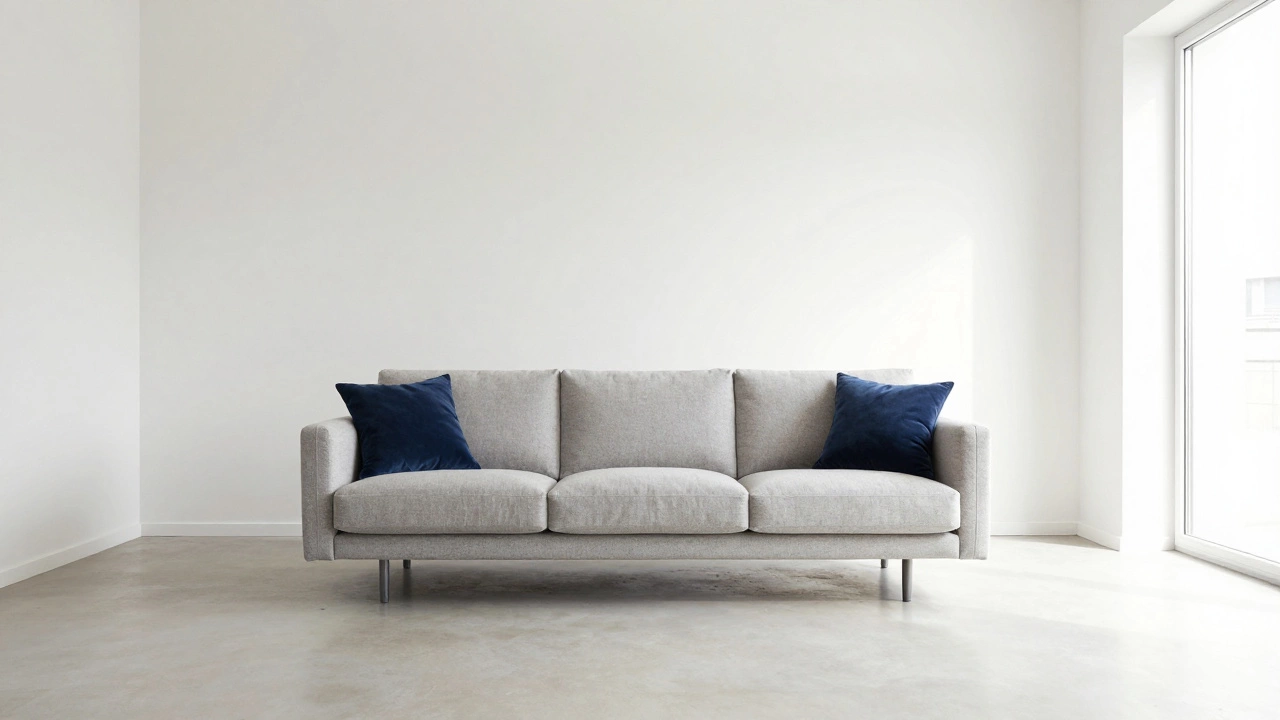
Every great living room starts with a focal point. In most homes, that's the Sofa is the primary piece of upholstered seating that defines the layout and function of the living area . If your sofa is pushed flat against a wall, your room can feel like a waiting room. Try "floating" the furniture. Even pulling your couch six inches away from the wall creates a sense of breathability and air.
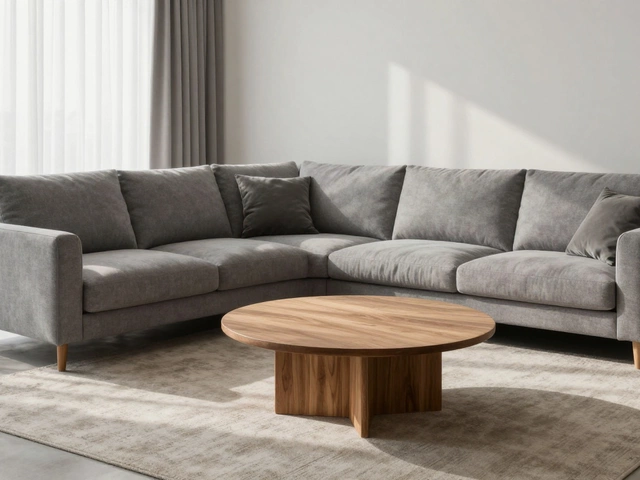
Think about the scale. A massive, overstuffed sectional in a 10x10 room will swallow the space whole, making it feel cramped. Conversely, a tiny loveseat in a huge room looks like a postage stamp. A good rule of thumb? Leave about 30 to 36 inches of walking space between furniture pieces so you aren't shimmying sideways to get to the kitchen.
Mastering the Color Palette
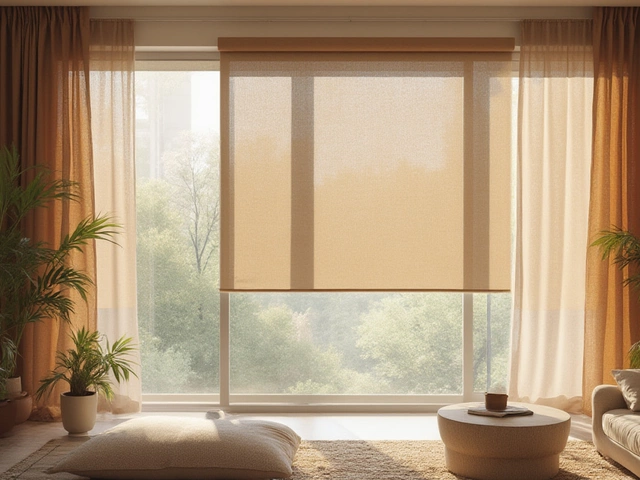
Ever walk into a room and feel like something is "off" but can't put your finger on it? It's usually the color balance. Professional designers use the 60-30-10 rule to keep things from looking chaotic. This means 60% of the room is a dominant neutral color (think walls and rugs), 30% is a secondary color (upholstery or curtains), and 10% is your accent color (pillows, art, and vases).
If you're afraid of bold colors, stick to a monochromatic scheme but vary the shades. Using five different tones of grey or beige prevents the room from looking flat. For those wanting more energy, a deep forest green or a navy blue accent wall can add a level of sophistication that white paint simply can't achieve.
| Percentage | Role | Example Elements | Psychological Effect |
|---|---|---|---|
| 60% | Primary/Dominant | Walls, Large Rugs | Sets the mood (e.g., Light = Airy) |
| 30% | Secondary | Sofa, Accent Chairs | Adds visual interest and structure |
| 10% | Accent | Cushions, Art, Plants | Provides "pops' of energy and personality |
Lighting: The Secret Ingredient
The quickest way to ruin a beautiful room is to rely solely on a single, bright ceiling light. It flattens everything and creates harsh shadows. To make a room look amazing, you need Layered Lighting is a design technique using ambient, task, and accent light sources to create dimension .
Start with ambient light (your general overhead), then add task lighting-like a Floor Lamp is a tall, freestanding light fixture used to brighten corners or reading nooks -next to a chair. Finally, add accent lighting. Think LED strips behind a TV, a small lamp on a side table, or candles. Warm bulbs (around 2700K) make a room feel inviting, while cool white bulbs (5000K+) can make a living room feel like a pharmacy.
Texture and the "Touch Factor"
If a room has the right colors but still feels "cold," it's missing texture. Texture is what makes a space feel lived-in rather than staged. If everything is smooth (leather sofa, glass table, hardwood floors), the room feels sterile. You need to contrast those hard surfaces with soft ones.
Mix and match your materials. Pair a leather couch with a chunky knit throw blanket. Place a jute rug under a velvet armchair. These contradictions create visual weight. A great trick is the "rule of three" for styling coffee tables: place a tray, a candle, and a stack of books. The varying heights and materials keep the eye moving and make the space feel curated.
The Role of Greenery and Art
Plants are the easiest way to breathe life into a room. Not only do they clean the air, but the organic shapes of leaves break up the straight lines of furniture. If you don't have a green thumb, a snake plant or a ZZ plant is nearly impossible to kill and looks sleek in a ceramic pot. Position a tall Fiddle Leaf Fig is a popular interior design tree known for its large, waxy, violin-shaped leaves in a corner to add height and a focal point.
When it comes to art, the most common mistake is hanging pictures too high. Your art should be at eye level-usually about 57 to 60 inches from the floor to the center of the piece. If you're hanging a picture above the sofa, leave about 6 to 8 inches of space between the top of the couch and the bottom of the frame. This keeps the art connected to the furniture rather than floating aimlessly on the wall.
Common Pitfalls to Avoid
Many people fall into the trap of buying a "set" of furniture. When the sofa, love seat, and coffee table all match perfectly, the room looks like a showroom, not a home. Mix your styles. A mid-century modern chair paired with a more contemporary sofa creates a look that feels evolved over time.
Also, watch out for the "small rug syndrome." A rug that is too small makes the entire room feel smaller. Your rug should be large enough that at least the front legs of all seating furniture sit on top of it. This anchors the conversation area and defines the space. If you have a small rug, try layering it over a larger, neutral seagrass rug for a high-end look.
How do I make a small living room feel bigger?
Use light colors on the walls to reflect more light, and opt for furniture with "legs" (exposed bases) rather than blocky pieces that sit flat on the floor. This allows the eye to see more of the floor, which tricks the brain into perceiving more space. Mirrors are also a powerful tool; placing a large mirror opposite a window can double the natural light and create an illusion of depth.
What is the best way to choose a rug size?
The golden rule is that all furniture legs-or at least the front two legs of every piece in the seating group-should be on the rug. For a standard living room, an 8x10 or 9x12 rug is usually the sweet spot. Avoid the tiny 5x7 rugs that look like a "postage stamp" in the middle of the room, as they disconnect the furniture and shrink the space.
How many throw pillows are too many?
While it depends on the sofa size, the general guideline is to keep it odd-numbered for a more natural look. Three to five pillows usually work well. Mix sizes (one large 22-inch, one medium 18-inch, and one small lumbar) and vary the textures. If you can't see the sofa because of the pillows, you've gone too far.
Which lighting bulbs should I use for a cozy feel?
Look for "Warm White" bulbs with a color temperature between 2700K and 3000K. These emit a yellow-toned light that mimics candlelight and creates a relaxing atmosphere. Avoid "Daylight" bulbs (5000K+) in the living room, as they can feel sterile and are better suited for kitchens or garages.
What is the easiest way to update a room on a budget?
The most impactful low-cost changes are painting a wall, swapping out old cabinet hardware, and changing your light bulbs. Rearranging your furniture for better flow is completely free and can totally change the energy of the room. Finally, adding a few real plants and decluttering surfaces instantly makes a space feel more curated and expensive.
Next Steps for Your Space
If you're feeling overwhelmed, don't try to change everything in one weekend. Start with the layout-move your sofa and see how it feels. Once the flow is right, tackle the lighting. Switch out those harsh bulbs and add a lamp to a dark corner. Finally, layer in your textures and colors. When you approach living room decor as a series of small layers rather than one big project, you're less likely to make a costly mistake and more likely to create a space that actually feels like home.