Dining Room Luxury Audit
Answer these questions about your current dining room setup to get a personalized luxury score and specific upgrade recommendations.
Your Result
Select options and click calculate to see your room's rating.
Walk into a high-end restaurant or a designer’s portfolio, and you’ll notice something specific: the space feels curated, not cluttered. It doesn’t scream for attention; it whispers quality. You don’t need a six-figure renovation budget to achieve that same sense of luxury in your own home. In fact, most people overspend on furniture while ignoring the small details that actually signal wealth and taste.
The secret to making your dining room is the primary space for social dining and formal gatherings in a home look expensive isn’t about buying the most costly chandelier. It’s about intentionality. It’s about understanding scale, texture, and lighting. When you get these elements right, even affordable pieces start looking like heirlooms.
Master the Art of Lighting Layers
Lighting is the single biggest factor in how expensive a room feels. Most homeowners rely on one overhead light, which casts harsh shadows and makes everything look flat. High-end interiors use layered lighting to create depth and mood.
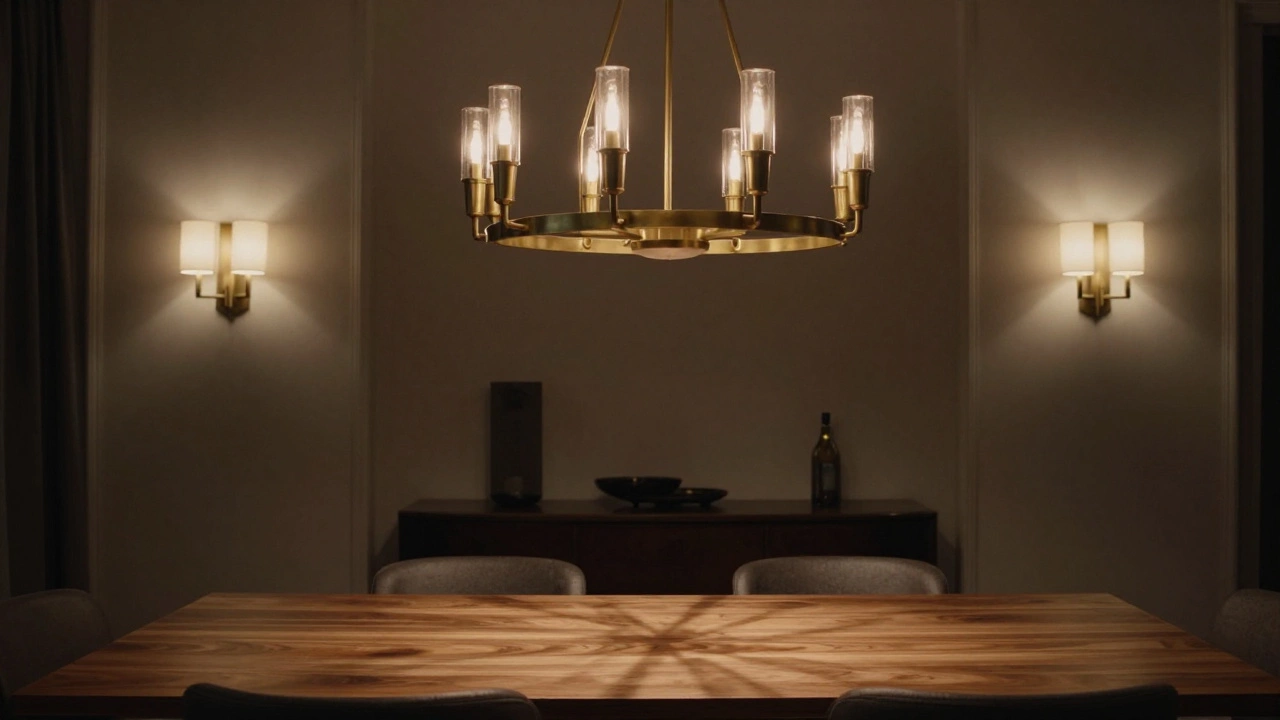
Start with your statement piece: a pendant or chandelier. The rule of thumb here is size matters. A tiny light over a large table looks cheap and out of place. Aim for a fixture that is half the width of your table. If your table is 72 inches wide, your light should be at least 36 inches wide. Hang it low-about 30 to 34 inches above the table surface. This creates an intimate glow that highlights the food and the conversation, mimicking the ambiance of upscale restaurants.
Next, add ambient light. Wall sconces flanking a sideboard or mirror reflect light and make the room feel larger and more polished. Finally, consider task lighting. A simple candle on the table adds warmth and movement. Flame flicker is a primal luxury cue that no LED bulb can fully replicate. By combining these three layers-ambient, task, and accent-you eliminate dark corners and create a sophisticated atmosphere.
Elevate Textiles with Weight and Texture
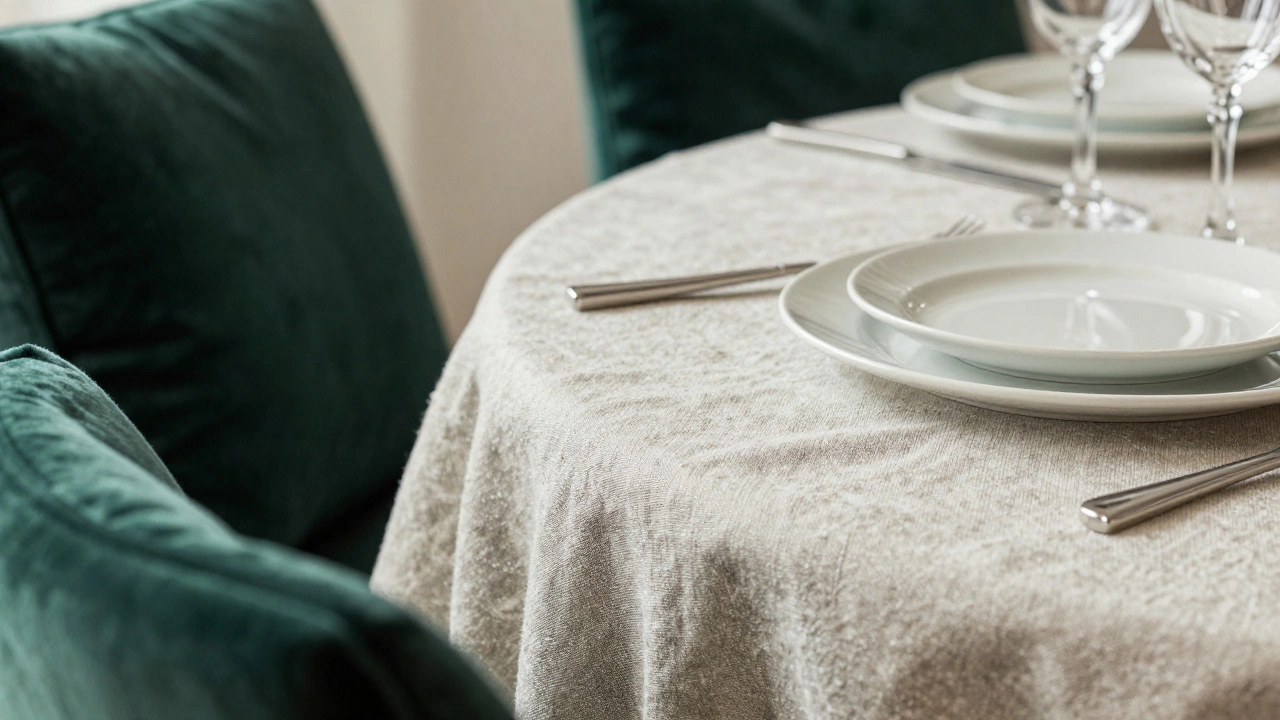
Fabric choices often betray a budget. Thin, shiny polyester curtains or flimsy chair covers look dated instantly. To elevate the look, focus on natural fibers and substantial weight. Linen, cotton blends, and velvet are your best friends. They drape differently than synthetic materials, falling in soft folds rather than stiff creases.
If your dining chairs have upholstery, consider reupholstering them in a rich fabric like bouclé or heavy linen. If that’s not in the budget, swap out the cushions. Solid colors tend to look more expensive than busy patterns. Stick to a neutral palette-cream, charcoal, olive green, or navy-and let the texture do the talking. A velvet chair in deep emerald green looks luxurious because of how it catches the light, not because of its price tag.
Dining table linens follow the same rule. Skip the plastic tablecloths or thin cottons that wrinkle easily. Invest in a high-quality linen runner or placemats. Linen naturally wrinkles, but those wrinkles look organic and relaxed, whereas polyester wrinkles look messy. Pair this with heavy glassware and ceramic dinnerware. The weight of the plates in your hand signals quality before you even take a bite.
Scale and Proportion Are Non-Negotiable
One common mistake that makes a room look cheap is poor scaling. Small furniture in a large room feels lost and insignificant. Large furniture in a small room feels cramped. Luxury is all about balance.
Look at your dining table. Is it too small for the room? If there’s less than 36 inches of clearance between the table edge and the walls or other furniture, the space will feel tight and chaotic. A larger table anchors the room. If you’re working with a smaller table, ensure the chairs are proportional. Oversized chairs can overwhelm a petite table, while tiny chairs make a large table look awkward.
Rugs also play a critical role in scale. A common error is placing a rug that only fits under the front legs of the chairs. When you pull out a chair to sit, it shouldn’t hang off the edge of the rug. All eight legs (for a standard table) should rest comfortably on the rug. This grounds the furniture arrangement and makes the entire setup look intentional and designed, rather than just thrown together.
The Power of Negative Space and Curation
Clutter is the enemy of luxury. Empty space, or negative space, allows the eye to rest and appreciate what is there. Designer homes are rarely filled with knick-knacks on every surface. Instead, they feature carefully curated objects with purpose.
Take a look at your sideboard or buffet. Are you displaying every souvenir from vacation? Clear it down. Choose two or three significant items. A large ceramic vase with a single branch of dried pampas grass or eucalyptus. A stack of art books tied with a ribbon. A sculptural object. Leave breathing room around each item. This curation suggests that every object was chosen with care, which is a hallmark of expensive design.
On the dining table itself, keep the centerpiece low and wide. Tall centerpieces block sightlines across the table, disrupting conversation. A long, low tray with candles and fruit, or a sprawling floral arrangement that stays below eye level, keeps the focus on the people and the meal. Simplicity reads as sophistication.
Incorporate Natural Elements and Greenery
Nature brings life and softness to hard surfaces like wood and stone. However, the type of plant and the pot matter immensely. Plastic plants are an instant giveaway of a lower budget. If you must use artificial greenery, invest in high-quality silk that looks realistic, but real plants are always superior.
Choose plants with architectural forms. A fiddle leaf fig, a monstera, or a tall snake plant adds vertical interest and a touch of the exotic. Place them in pots that complement your color scheme. Ceramic, terracotta, or concrete pots look far more refined than basic plastic nursery pots. Hide the nursery pot inside a decorative planter if necessary.
Wood tones also count as natural elements. Mixing wood finishes can work, but it requires skill. For a safer, more expensive look, stick to one or two wood tones throughout the room. If your table is oak, try to match the sideboard or shelves in a similar hue. Consistency creates cohesion, and cohesion creates a sense of order and value.
Artwork That Anchors the Room
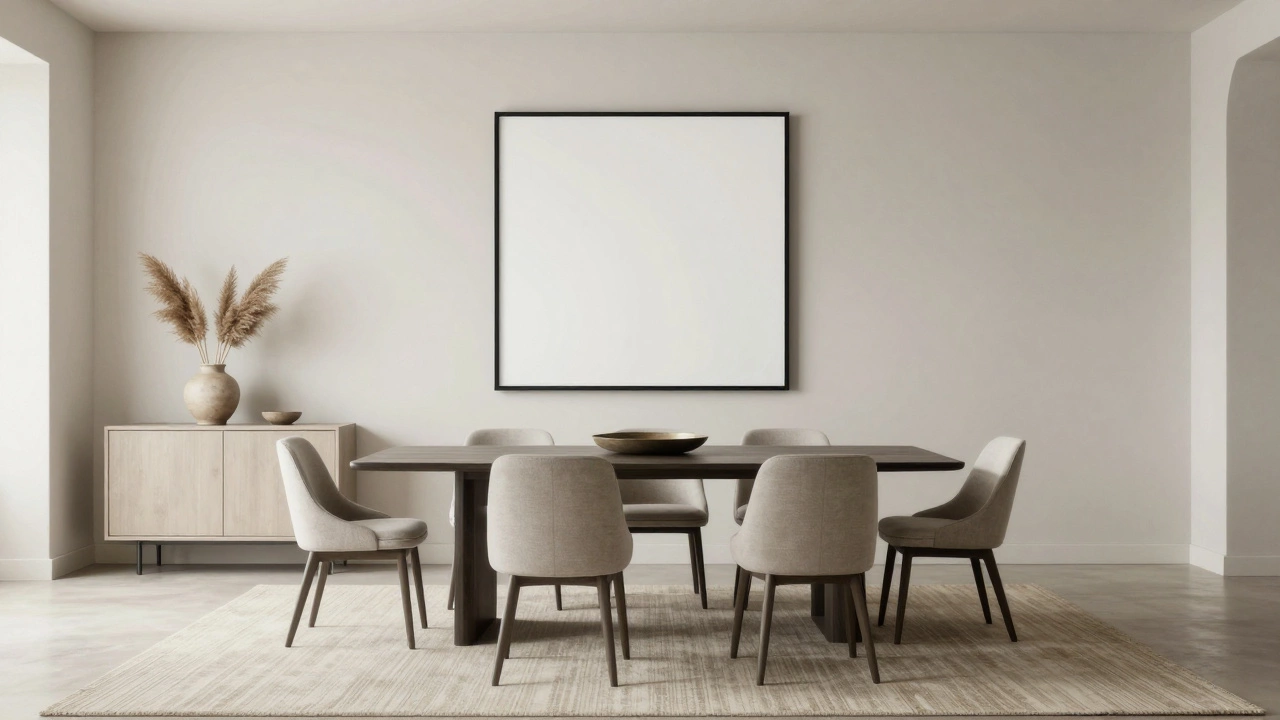
Walls without art feel unfinished. Walls with cheap prints framed in particle board look temporary. To make your dining room look expensive, treat artwork as a focal point. One large piece is better than a gallery wall of small, mismatched frames.
Hang art at eye level, centered over the table or sideboard. The bottom of the frame should be about 8 to 10 inches above the furniture it sits on. Frame matters. Thick, matte black frames or ornate gold frames add weight and presence. Avoid thin, white mats unless the art specifically calls for it. Solid backing and quality framing hardware ensure the piece hangs straight and secure, which subtly signals attention to detail.
| Element | Budget Mistake | Luxury Upgrade |
|---|---|---|
| Lighting | Single overhead flush mount | Layered lighting: Pendant + Sconces + Candles |
| Textiles | Synthetic, thin fabrics | Natural fibers: Linen, Velvet, Heavy Cotton |
| Scale | Rug too small for chairs | All chair legs on the rug |
| Decor | Cluttered surfaces | Curated, spaced-out objects |
| Art | Multiple small frames | One large, well-framed statement piece |
Maintain Clean Lines and Minimal Hardware
Hardware details like drawer pulls and knobs can date a room quickly. Ornate, brass-heavy pulls from the 90s might clash with modern aesthetics. For a timeless, expensive look, opt for minimalist hardware. Matte black, brushed nickel, or integrated handles (where the handle is part of the cabinet door) look sleek and contemporary.
If you’re replacing hardware, ensure the spacing matches the existing holes. If not, you may need to fill old holes with wood putty before drilling new ones. This small effort prevents visible screw holes that ruin the clean lines of your cabinetry. Smooth, unbroken surfaces reflect light better and appear more polished.
What color makes a dining room look expensive?
Neutral colors like cream, beige, gray, and soft whites create a backdrop that looks spacious and elegant. Darker accents like navy, forest green, or charcoal add depth and richness. Avoid overly bright or neon colors, which can feel casual and dated. The key is consistency; sticking to a cohesive palette makes the room feel designed rather than random.
Can I make my dining room look expensive without buying new furniture?
Yes. Focus on textiles, lighting, and decor. Swap out chair cushions for heavier fabrics, add a large area rug, install dimmer switches, and curate your tabletop items. Removing clutter and adding greenery are free ways to instantly elevate the space. Painting cabinets or walls in a fresh, sophisticated color can also transform the room without replacing furniture.
How big should my dining room rug be?
Your rug should be large enough so that all chairs remain on the rug when pulled out for seating. Typically, this means adding at least 24 to 30 inches to the length and width of your table. For a standard 60-inch round table, a 9-foot round rug is ideal. For rectangular tables, aim for a rug that extends at least 3 feet beyond the table on all sides.
What is the best lighting for a dining room?
A combination of a central pendant or chandelier hung 30-34 inches above the table, plus ambient wall sconces or recessed lighting. Dimmer switches are essential for controlling mood. Candlelight on the table adds a final layer of warmth. Avoid harsh overhead fluorescent lights, which flatten the room’s appearance.
Should I mix metals in my dining room?
Mixing metals can work if done intentionally, but it’s risky for beginners. For a more expensive look, stick to one or two metal finishes. For example, pair brass lighting with black hardware. Ensure the metals complement your wood tones and wall colors. Randomly mixing chrome, gold, and bronze often looks cluttered and unplanned.