Home Storage Potential Calculator
Most homes have more storage than they use. This tool helps you identify high-value "dead zones" in your house based on the article's principles of looking up, going under, and repurposing.
Top Opportunities Detected:
- Click Calculate to see specific recommendations.
Pro Tip from Article: Start with one corner today. Move one thing. See how much room you actually had all along.
You stare at the pile of shoes by the door. You glance at the stack of mail on the counter. Then you look at your bank account and sigh because buying another storage unit is not happening this month. Here is the truth: most homes have more storage than they use. We just don't see it because we are trained to look for shelves, not spaces.
Building storage without buying new furniture means using existing structural elements like walls, floors, and doors to hold your belongings. It requires shifting your perspective from horizontal accumulation to vertical utilization. This guide walks you through specific, low-cost ways to reclaim space in your house right now. No power tools required for half of these tricks. Just a shift in how you view the empty air around you.
Stop Looking Down and Start Looking Up
Most people treat their floor as the only place things belong. If it doesn't fit on the floor, it goes on a table or chair. But floors are prime real estate for walking, not storing. The biggest missed opportunity in almost every home is the wall above eye level. In Wellington, where older villas often have high ceilings, this space is wasted gold.
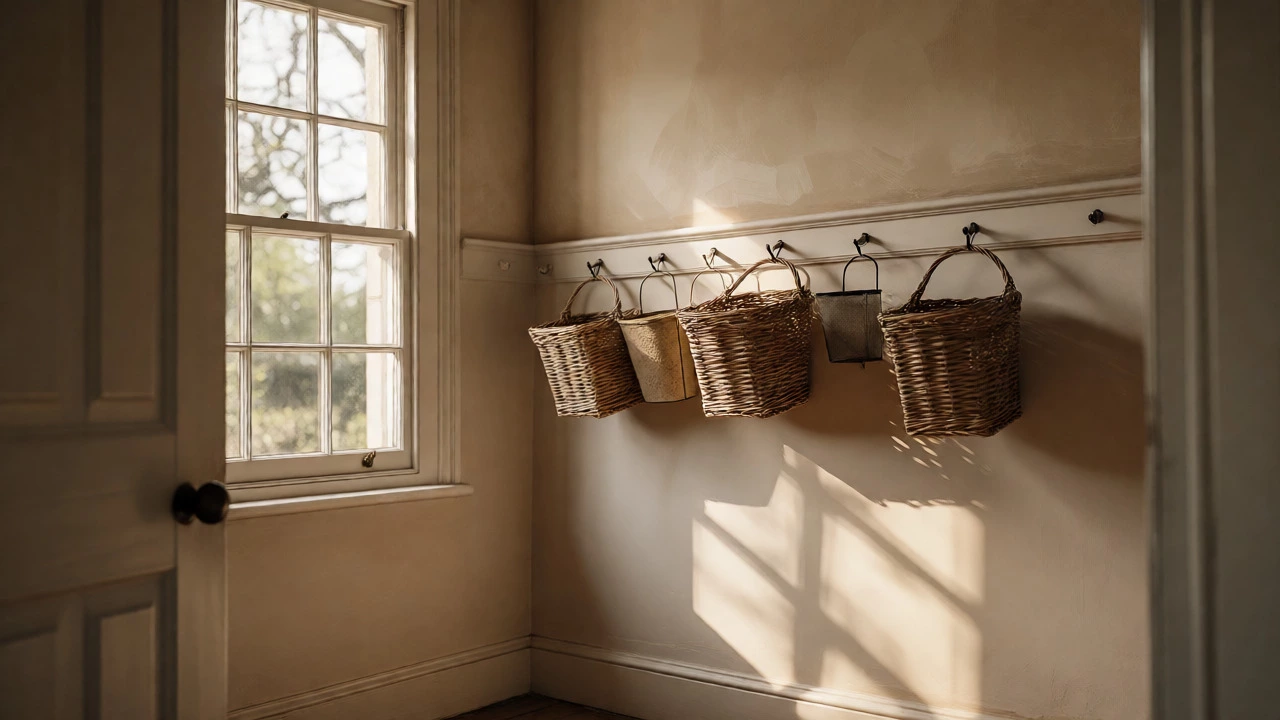
You do not need to install complex shelving systems. A simple picture rail, common in many heritage homes, can be adapted to hang baskets or lightweight bins. If you rent, tension rods are your best friend. Install one between two studs in a closet corner, and you suddenly have hanging space for scarves, belts, or even small handbags. It takes five minutes and costs less than ten dollars.
Consider the back of your doors. This is dead space that averages 15 square feet per door. An over-the-door organizer is cliché, but effective. However, a better option for heavier items is a simple hook strip. Use adhesive hooks rated for 5kg each to hang keys, reusable shopping bags, or even small stools. For bathrooms, replace a standard towel bar with a double-tiered rack. You instantly double your towel capacity without drilling a single new hole.
The Floor Has Hidden Layers
If you cannot go up, go under. Underutilized floor space is usually ignored because it feels inaccessible. But with minor adjustments, you can turn these gaps into functional drawers.
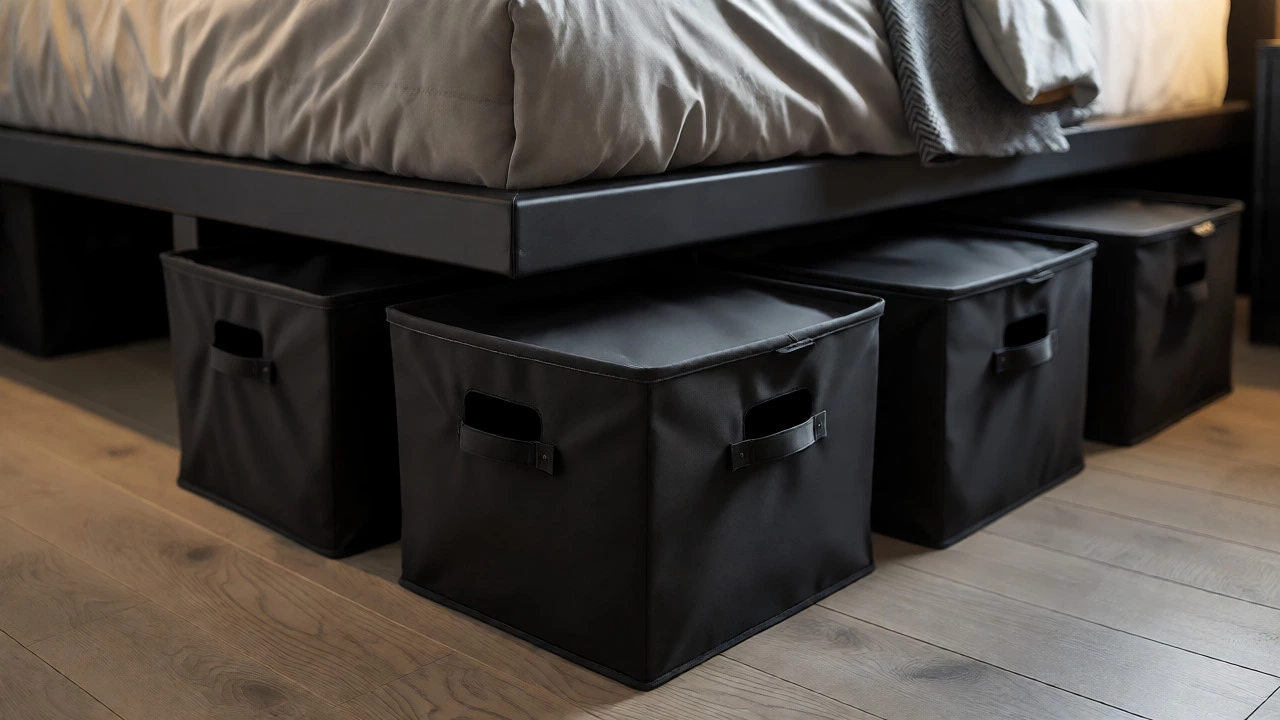
Start with your bed. If your bed frame sits high off the ground, you have free storage. Clear plastic bins are ugly, so cover them with fabric or paint them matte black to blend into the shadows. Measure the height clearance before you buy anything. Most beds allow for bins up to 15cm tall. Use these for seasonal clothing or linens. Do not store heavy books here; moisture from the floor can damage paper over time.
| Location | Best For | Container Type | Max Height (Approx) |
|---|---|---|---|
| Under Bed | Seasonal clothes, linens | Soft-sided bins | 15-20 cm |
| Under Sofa | Board games, remotes | Rolling trays | 10-15 cm |
| Behind Doors | Cleaning supplies, tools | Hanging pockets | N/A (Vertical) |
| Above Cabinets | Rarely used appliances | Uniform boxes | Varies |
Sofa gaps are another overlooked zone. If your sofa has legs, slide a flat rolling tray underneath. This is perfect for board games or extra blankets. You pull it out when needed and push it back when guests arrive. It keeps the living room looking clean while hiding the clutter.
Furniture That Does Double Duty
Why buy a shelf if you already own a table? Repurposing existing furniture is the fastest way to add storage without spending money. Look at your current pieces with fresh eyes. Can your coffee table hold more than just a plant? If it has a lower shelf, clear it of dust bunnies and use it for magazines or remote controls. If it doesn't have a shelf, place a woven basket next to it for throw blankets.
Ottomans are underrated storage heroes. Many modern ottomans open up. If yours doesn't, consider placing a hollow-core door across two sturdy wooden crates. You get a bench seat with massive internal storage for toys or sports equipment. This costs the price of two crates and a piece of timber.
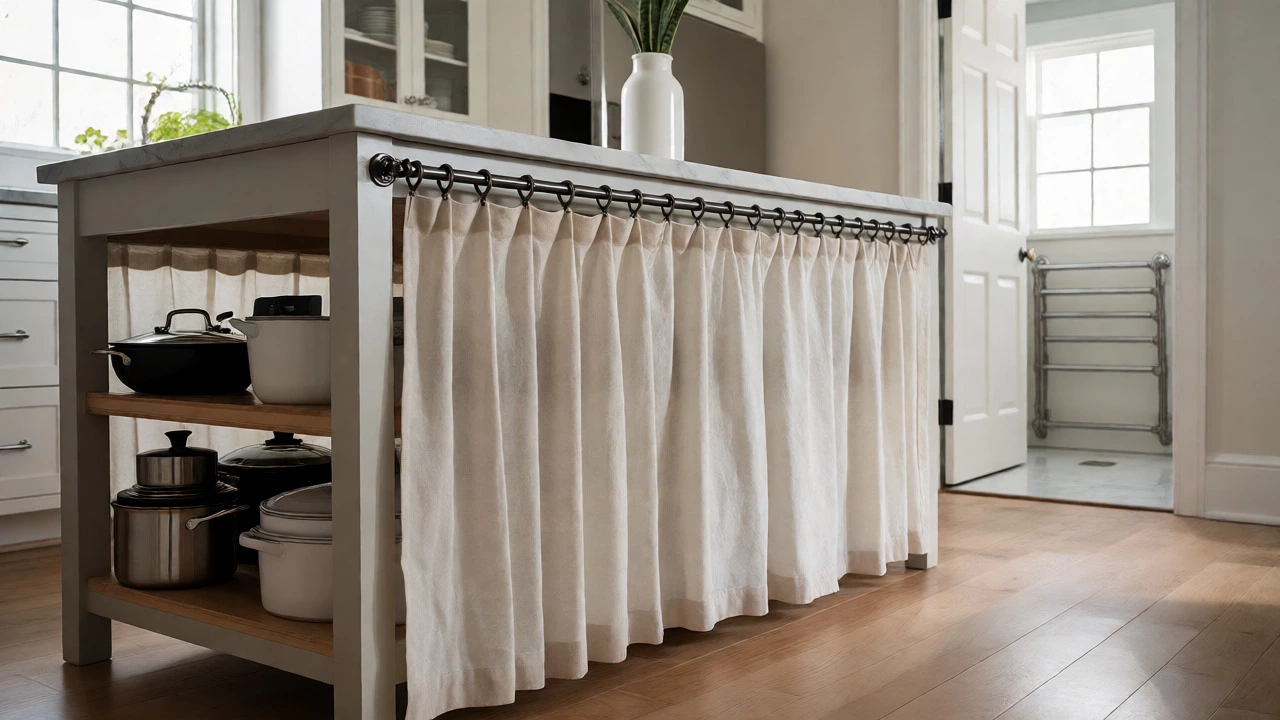
Kitchen islands are often just big blocks of wood. If you have an island with open sides, add a curtain rod across the front. Hang a lightweight fabric curtain. Behind it, you can stack pots, pans, or small appliances. It hides the mess and adds texture to the kitchen. No carpentry skills needed, just a drill and a bracket.
Vertical Corners Are Not Dead Ends
Corners are notoriously difficult to organize. Shelves often stop short, leaving awkward triangular gaps. Instead of fighting the geometry, embrace it. Install corner shelves that mount directly to the walls. These are widely available and require minimal hardware.
In small bathrooms, the space above the toilet is often empty. A narrow floating shelf here can hold toiletries, spare toilet rolls, or decorative items. Ensure the shelf is anchored into studs if possible, especially in earthquake-prone areas like New Zealand. Adhesive strips work for light items, but screws provide peace of mind during tremors.
For entryways, a pegboard system mounted on the wall offers customizable storage. You can move hooks and shelves as your needs change. Hang bikes, helmets, umbrellas, and keys all in one spot. Pegboards are cheap, durable, and look intentional rather than makeshift. Paint them a bold color to make them a feature rather than a utility.
The Closet Reorganization Strategy
Most closets fail because they are designed for hanging clothes, not for everything else. When you stuff shoes, bags, and accessories into a hanging-only closet, you lose efficiency. The solution is layering.
Use double-hang rods. Install a second rod below the first one. This doubles your hanging capacity for shirts and pants. If your closet is too shallow for two rods, use cascading hangers. These hook onto the main hanger and allow you to hang three pairs of trousers vertically instead of horizontally.
Shoe storage inside closets is a nightmare. Stackable shoe racks take up too much width. Instead, use wire shelf dividers or simple cardboard risers. Place shoes side-by-side on a shelf, separated by dividers. This prevents them from tipping over and wasting vertical space. Label the boxes or bins so you know what is inside without opening them.
Lighting and Visual Clarity
You cannot use storage you cannot see. Dark corners become dumping grounds for junk. Add motion-sensor LED strips inside closets, under cabinets, or behind bookshelves. These cost a few dollars and run on batteries. They illuminate hidden spaces, making it easier to find items and discouraging random stuffing.
Uniformity reduces visual noise. If you use open shelving, mismatched containers look chaotic. Buy a set of identical baskets or boxes. Even if they are made from different materials, keeping them the same color creates a sense of order. This psychological trick makes the space feel larger and cleaner, even if the amount of stuff hasn't changed.
Maintaining Your New Storage
Creating storage is easy; keeping it organized is hard. Set a rule: one in, one out. If you buy a new shirt, donate an old one. If you bring home a new gadget, remove the packaging immediately. Packaging is bulky and useless once the item is opened.
Review your storage zones quarterly. Spend fifteen minutes checking each area. Is the under-bed bin still holding winter coats in July? Rotate them. Is the pegboard overloaded? Remove unused hooks. Regular maintenance prevents the slow creep of clutter that eventually defeats your storage system.
You don't need a renovation budget to fix a messy house. You need to look at your walls, your doors, and your floors differently. Storage is not just about buying boxes; it's about seeing the potential in the negative space around you. Start with one corner today. Move one thing. See how much room you actually had all along.
Can I build storage without drilling holes in rental properties?
Yes. Tension rods, over-the-door organizers, and freestanding ladders are excellent non-permanent options. High-quality adhesive strips can also hold light shelves or hooks, provided you follow the weight limits and removal instructions carefully to avoid paint damage.
What is the best way to store items in small apartments?
Focus on vertical space and multi-functional furniture. Use wall-mounted shelves, under-bed storage, and ottomans with hidden compartments. Keep surfaces clear to make the room feel larger, and utilize the backs of doors for hanging storage.
How do I keep my closet organized long-term?
Implement a "one in, one out" policy and use uniform storage bins to reduce visual clutter. Schedule a quick 15-minute tidy-up session once a month to reset the space and prevent items from accumulating outside their designated spots.
Is it safe to store heavy items on floating shelves?
It depends on the anchor type. Floating shelves must be secured into wall studs to support significant weight. If you cannot find studs, use toggle bolts rated for the specific weight of your items. Always check the manufacturer's weight limit before loading the shelf.
What should I store under my bed?
Store items you use seasonally or infrequently, such as extra bedding, holiday decorations, or off-season clothing. Avoid storing documents or electronics that might be damaged by dust or temperature fluctuations near the floor.