Bedroom Budget Planner (2026)
Configure Your Setup
Adjust slider to set your target total budget:
We allocate 70% of your budget to the "Sleep System" (Mattress + Frame) because it impacts health directly. The remaining 30% goes to storage, lighting, and decor.
Estimated Cost Breakdown
Mid-RangeWalking into an empty bedroom is one of those moments where excitement quickly turns into panic. You look at the blank walls and realize you need a bed, a mattress, nightstands, lighting, and maybe even a wardrobe. Then the real question hits: how much is this actually going to cost? In 2026, with inflation stabilizing but material costs remaining high, getting the numbers wrong can mean either overspending on items you don't need or ending up with cheap furniture that breaks in six months.
The short answer? For a functional, decent-looking bedroom for one person, expect to spend between $1,500 and $3,000. For a couple’s master suite with higher-end materials and better durability, that number jumps to $4,000-$8,000. But these are just starting points. The real trick isn’t finding a magic total-it’s figuring out where your money buys you longevity and where it just buys aesthetics.
The Golden Rule: The 70/30 Split
Before we dive into specific price tags, let’s talk about strategy. Most people make the mistake of spending equally on everything. They buy a $200 frame and a $200 mattress, thinking they’ve balanced their budget. This is a trap. Your sleep quality depends entirely on the mattress, not the wood grain of the headboard.
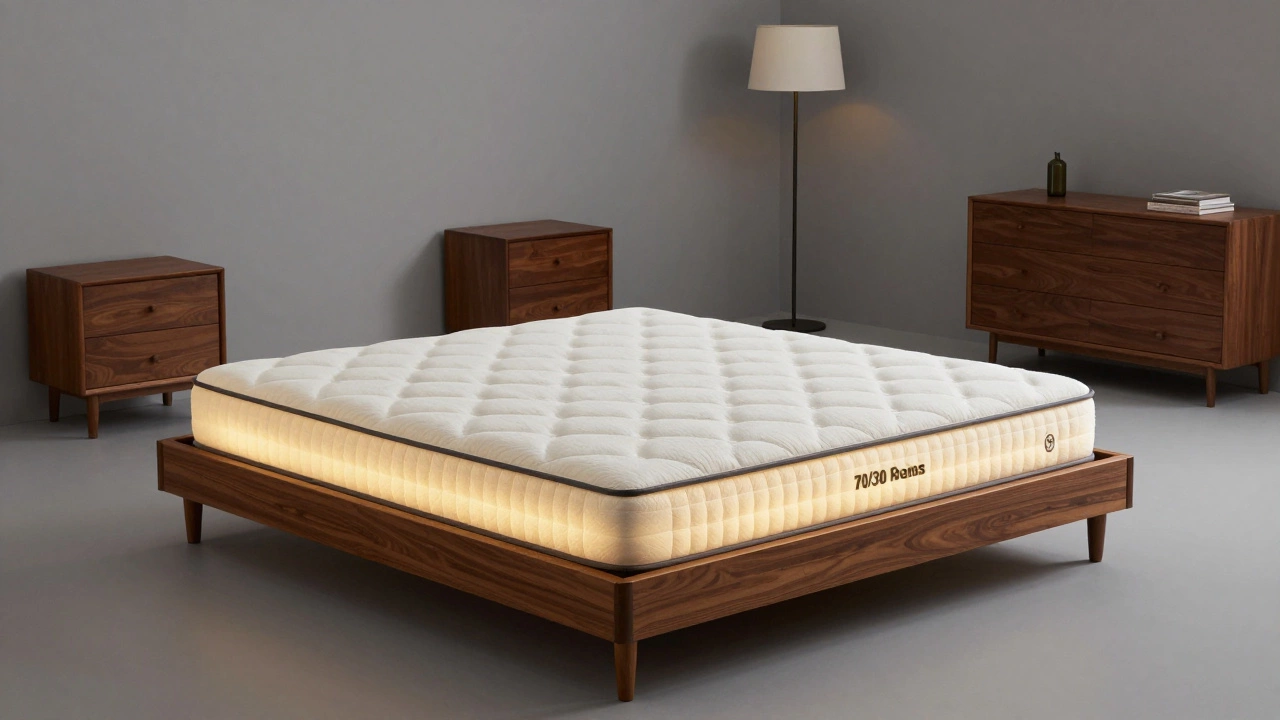
I recommend using the 70/30 rule. Spend 70% of your budget on the "sleep system"-the mattress, box spring (if needed), and bed frame. Spend the remaining 30% on storage, lighting, and decor. Why? Because a bad mattress ruins your health and sleep hygiene every single night. A slightly less expensive nightstand doesn’t change your life. If you have $2,000 to spend, put $1,400 toward the bed setup and $600 toward everything else.
Breaking Down the Big Ticket Items
Let’s get concrete. Here is what you should expect to pay for each core component in 2026. Prices vary by region and brand, but these ranges reflect mid-market options that offer good value without sacrificing quality.
| Item | Budget Range | Mid-Range Quality | Premium/High-End |
|---|---|---|---|
| Mattress (Queen) | $400 - $700 | $800 - $1,500 | $1,800+ |
| Bed Frame | $150 - $300 | $400 - $800 | $1,000+ |
| Nightstands (x2) | $60 - $120 total | $150 - $300 total | $400+ |
| Dresser/Chest | $200 - $400 | $500 - $900 | $1,200+ |
| Lighting | $50 - $100 | $150 - $300 | $400+ |
The Mattress: Don’t Skimp Here
If there is one place where you should stretch your budget, it’s the mattress. In 2026, the market is flooded with online brands offering memory foam and hybrid models. A good entry-level mattress from a reputable online brand will cost you around $600-$800 for a Queen size. This gets you decent support and pressure relief.
If you have back pain or share the bed with a partner who moves around a lot, aim for the mid-range hybrid models ($1,000-$1,500). These combine coils for support with foam layers for comfort. Avoid mattresses under $400 unless you are furnishing a guest room used once a year. Cheap foams sag within two years, leading to poor posture and waking up stiff.
The Bed Frame: Function Over Form
You don’t need a solid oak frame that costs $1,200. What you do need is stability. Look for frames made from kiln-dried hardwoods or high-quality engineered wood with metal slat support systems. A sturdy platform frame in the $300-$600 range is usually sufficient. It keeps the mattress elevated, allows for airflow, and eliminates the need for a box spring, saving you another $200.
Avoid particle board frames if you plan to move frequently. They tend to fall apart during transport. Metal frames are durable but can squeak; look for ones with plastic-coated joints or felt pads to prevent noise.
Storage Solutions: Dressers vs. Wardrobes
Storage is where budgets often blow up. Do you buy a dresser, a wardrobe, or both? It depends on your closet space. If you have a walk-in closet, skip the wardrobe and invest in a nice dresser. If you have small reach-in closets, a wardrobe is essential.
A decent wooden dresser costs between $500 and $900. Flat-pack options from major retailers can drop this to $250, but check the drawer glides. If they feel flimsy, the whole unit will feel cheap. For wardrobes, built-ins are ideal but expensive to install. A standalone wardrobe ranges from $400 for basic fabric-covered units to $1,500+ for solid wood constructions.
Pro tip: Measure your doorways before buying large storage pieces. I’ve seen too many people buy a beautiful armoire only to find it won’t fit through the hallway turn. Standard door widths are 30-32 inches; ensure your furniture’s widest dimension is at least 2 inches smaller than that.
Lighting and Ambiance: The Hidden Costs
Most people forget lighting until the room feels dark and depressing. Ceiling lights are harsh and unflattering. You need layered lighting. Start with two bedside lamps. Instead of buying expensive designer lamps, buy simple bases ($30-$50 each) and focus on the bulbs. Use warm-white LED bulbs (2700K-3000K) to create a cozy atmosphere.
Add a floor lamp in the corner for reading. A modern arc lamp or tripod floor lamp costs between $80 and $150. This brings your total lighting budget to around $150-$250, which is a small investment for a huge impact on mood.
Decor and Soft Furnishings: Where Personality Lives
This is the fun part. Rugs, curtains, bedding, and art define the style of the room. However, this is also where impulse buying happens. Stick to the 30% rule mentioned earlier.
- Rug: Get one that fits under the bed and extends 18-24 inches on either side. A synthetic rug in this size costs $100-$200. Wool rugs are softer but cost $300+.
- Curtains: Hang them high and wide to make windows look bigger. Thermal-lined curtains help with insulation and light control. Expect to spend $80-$150 for a pair.
- Bedding: Buy two sets so you can rotate them. High-thread-count cotton sheets ($100-$150 per set) last longer and feel better than cheap polyester blends ($30-$50).
- Art/Mirrors: Thrift stores and local artists are your friends here. You can find great pieces for $20-$50 that add character without breaking the bank.
Common Mistakes That Blow Your Budget
I’ve helped friends furnish rooms, and I see the same errors repeatedly. Avoid these pitfalls to keep your spending in check.
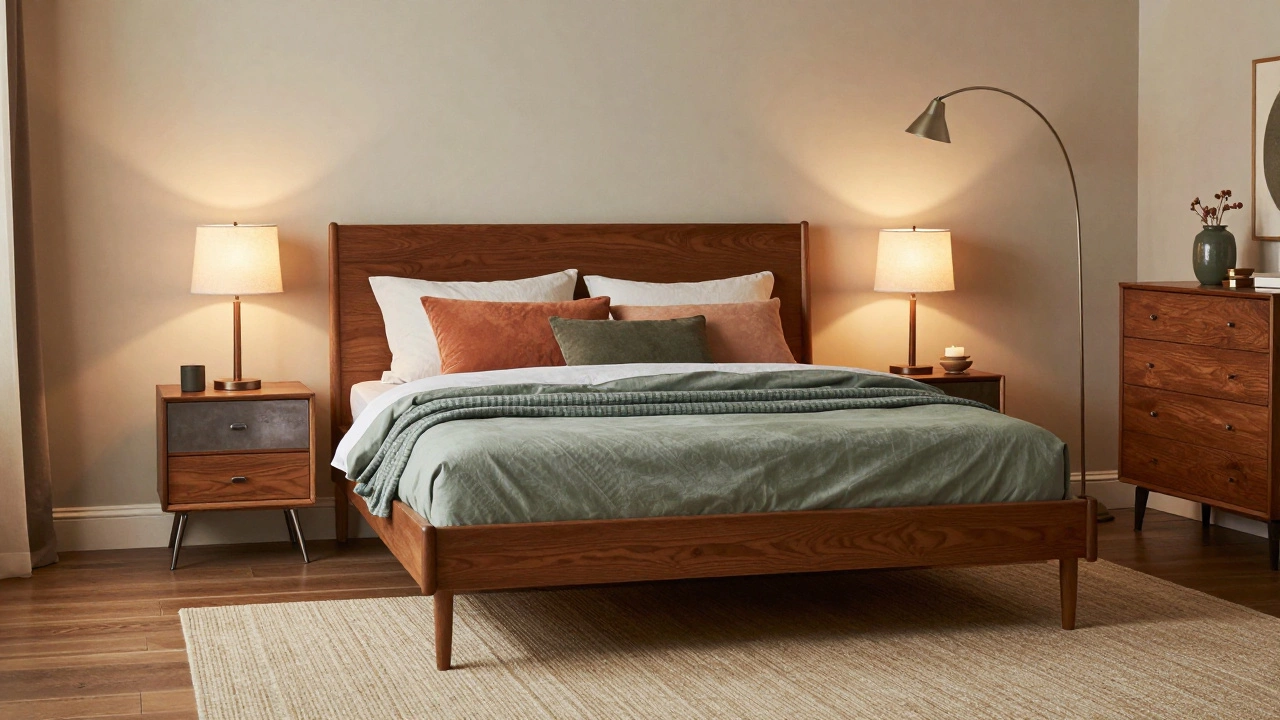
- Buying a Full Set: Matching bedroom sets (bed, nightstands, dresser all in the same wood and style) look dated and are overpriced. Mix and match styles. A mid-century modern bed with industrial nightstands looks curated and interesting, not like a showroom from 1990.
- Ignoring Delivery Fees: Many online prices exclude delivery. A $500 bed might become $650 with white-glove delivery. Always check the final checkout price, not just the product page.
- Skip the Box Spring Unless Required: Modern mattresses, especially hybrids and latex, often don’t need box springs. Using a slatted platform frame saves you money and reduces clutter.
- Overbuying Decor Early: Live in the room for a month before buying art or accessories. You’ll learn what you actually need versus what you think you want.
Is Secondhand Worth It?
In 2026, sustainability is a major driver for secondhand shopping. But be selective. Never buy a used mattress. You cannot know its history regarding allergens, pests, or wear. However, wooden furniture like dressers, nightstands, and beds are excellent candidates for thrift stores, Facebook Marketplace, or estate sales.
A solid wood dresser that costs $800 new might sell for $150 used. With some sanding and a fresh coat of paint, it looks brand new. This approach can cut your storage budget by 50%. Just inspect for structural integrity-wiggle the drawers and check for wobbles.
Final Thoughts on Smart Spending
Furnishing a bedroom doesn’t have to be a financial nightmare. By prioritizing the mattress and frame, mixing styles for storage, and keeping decor minimal at first, you can create a comfortable, stylish space within your means. Remember, your bedroom is a sanctuary for rest. Invest in what supports your sleep, and save on what simply sits in the corner.
What is the average cost to furnish a bedroom in 2026?
For a single person, the average cost ranges from $1,500 to $3,000. For a couple’s master bedroom with higher-quality furniture, expect to spend between $4,000 and $8,000. These estimates include the mattress, bed frame, storage, lighting, and basic decor.
Should I buy a matching bedroom set?
Generally, no. Matching sets can look dated and are often more expensive than mixing pieces. Combining different styles, such as a modern bed frame with vintage nightstands, creates a more personalized and visually interesting space while often costing less.
How much should I spend on a mattress?
You should allocate 50-70% of your total bedroom budget to the mattress and bed frame. A good quality Queen-sized mattress typically costs between $800 and $1,500. Investing here is crucial for long-term health and sleep quality.
Can I furnish a bedroom for under $1,000?
It is challenging but possible if you prioritize essentials and shop secondhand. You could buy a used bed frame and dresser, a budget-friendly online mattress (~$500), and skip non-essential decor. However, quality may be compromised, particularly in storage durability.
What is the most important piece of furniture to invest in?
The mattress is the most critical investment. Since you spend approximately one-third of your life sleeping, a supportive, comfortable mattress directly impacts your physical health and energy levels. Other furniture items can be replaced or upgraded more easily later.