
Furniture Haggling Calculator
Use this tool to estimate how much you could save by negotiating. Select your scenario below.
Estimated Outcome
Original Price
$0.00
Potential Savings
$0.00
Target Negotiated Price
$0.00
You walk into a showroom, spot the perfect sofa, and see the price tag. It stings. Your first instinct might be to ask, "Is this the final price?" or just walk away hoping for a sale later. But here’s the truth most salespeople won’t tell you upfront: negotiating is often part of the game. You don’t need to be aggressive. You just need to know when and how to ask.
In New Zealand, where we value a fair deal but also respect a hard day's work, haggling sits in an awkward middle ground. We’re not used to the bustling souks of Marrakech, but we’re also tired of paying full retail for things that sit on a warehouse floor gathering dust. The question isn't really "Do you haggle?" It’s "Why aren’t you?" Because with a few simple moves, you could save enough cash to buy those side tables you’ve been eyeing.
The Psychology Behind the Discount
Retailers have margins. Big ones. Especially in furniture. Unlike groceries, where profit per item is razor-thin, furniture stores build in a buffer for overheads, marketing, and yes, discounts. When you see a "50% Off Everything" sign, it’s rarely the first time they’ve dropped the price. They started higher. This means there is almost always room to move, even if the sticker says otherwise.
Sales staff are usually commission-based or have monthly targets. If they can close a sale today by knocking $100 off a $2,000 bed frame, they hit their number. If they lose you because you walked out over $50, they lose the commission. Understanding this dynamic shifts the power balance. You aren’t begging; you’re helping them meet their quota while saving your wallet.
When Is the Best Time to Ask?
Timing matters more than you think. Walking in on a busy Saturday afternoon at noon? Bad idea. The staff is overwhelmed, handling ten other customers, and has no time to process a custom discount code or check inventory systems for flexibility.
- Late in the month: Sales teams often have monthly quotas. By the 28th, they’re desperate to close numbers.
- End of financial year (March): In NZ, businesses want to clear stock before tax season. Old models go cheap.
- Quiet weekdays: Tuesday morning? Perfect. The salesperson has time to chat, check manager approvals, and maybe throw in free delivery.
- During clearance events: Even discounted items can sometimes get a further nudge down if they’re floor models or last units.
I once bought a dining set from a Wellington store on a rainy Wednesday. The manager was bored. I asked about a slight scratch on the table leg. He didn’t just discount it; he threw in two matching chairs for free because he wanted to clear the display. That’s the kind of win you miss on a frantic Friday night.
How to Start the Conversation Without Being Rude
Forget the aggressive "What’s your best price?" approach. It puts people on the defensive. Instead, try collaborative language. You’re not fighting the salesperson; you’re working together to make the transaction happen.
Try these openers:
- "I’m ready to buy this today if we can get closer to [Target Price]." This shows intent. Retailers love a quick close.
- "I found a similar model online for $X. Can you match that?" Bring evidence. Show them the screen on your phone.
- "If I take the whole suite, what can you do on the total?" Volume gives you leverage.
- "Is there any flexibility on delivery fees?" Sometimes the product price is fixed, but logistics costs are soft.
Notice none of these sound like demands. They sound like questions. Politeness goes a long way in NZ culture. A smile and a genuine "Thanks for looking into that" can unlock doors that a scowl cannot.
| Store Type | Negotiation Potential | Best Tactic | Expected Savings |
|---|---|---|---|
| Independent Showroom | High | Ask for bundle deals or free accessories | 10-20% |
| Big Box Retailer | Low-Medium | Price match or waive delivery | 5-10% |
| Floor Models | Very High | Cite minor defects or wear | 20-40% |
| Online Only | Low | Use cart abandonment techniques | 5-15% via email |
What Items Are Easiest to Haggle?
Not all furniture is created equal in the eyes of a negotiator. Some items are priced dynamically based on demand, while others are static. Knowing which is which saves you embarrassment.
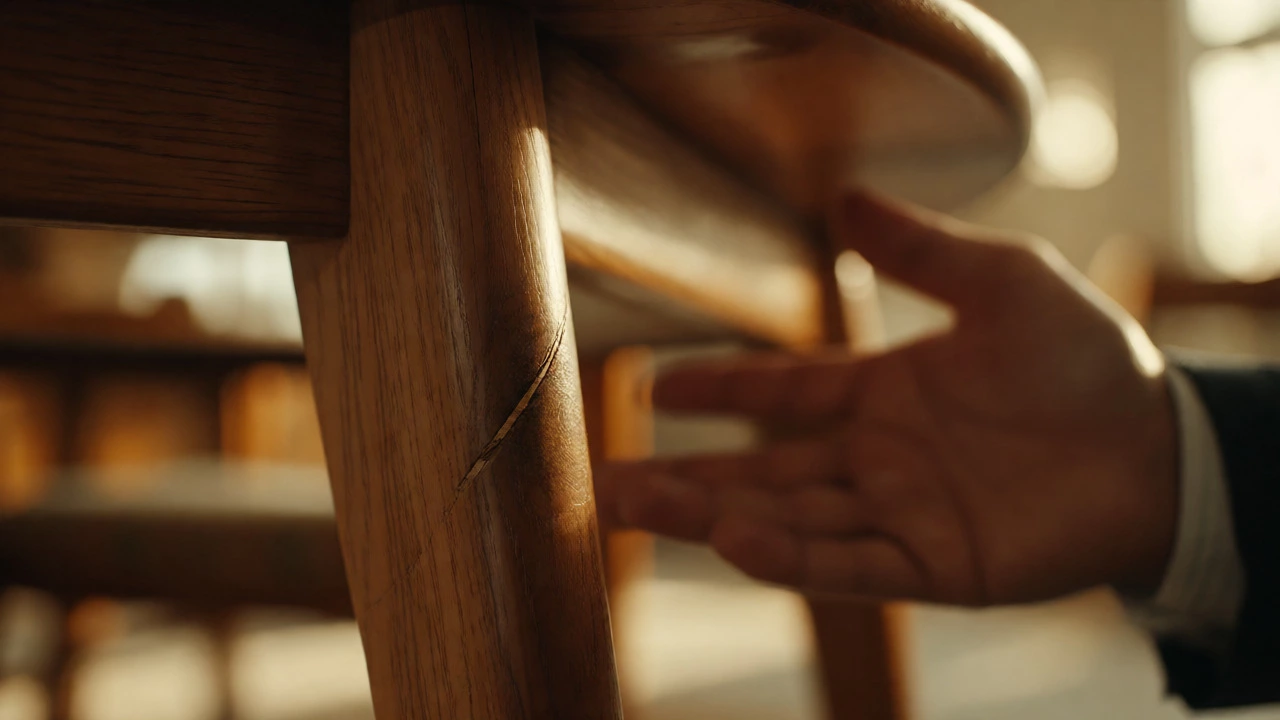
Floor models and ex-display units are your golden ticket. These items have already lost their "new" premium. They’ve been sat on, touched, and exposed to sunlight. Point out a small stain, a wobbly leg, or a faded cushion. Stores would rather sell them at a discount than pay to store them or send them back to the supplier. I’ve seen 30% off floor models become 40% off with a polite request.
Discontinued lines are another sweet spot. If the retailer is bringing in next year’s collection, they need space. Ask specifically: "Is this being replaced soon? If so, can you help me clear it out?"
Conversely, custom orders are harder to bargain down. Once the fabric is cut and the wood is stained, the cost is locked in. However, you can still negotiate on add-ons. Maybe they won’t lower the price of the custom sofa, but they might include the cleaning kit or extended warranty for free.
The Power of Walking Away (and Staying)
We’ve all heard the advice: "Walk away." It works, but only if you actually mean it. If you fake a walkout and then peek back through the window, you’ve lost all leverage. The salesperson knows you’re hooked.
Instead, use the "Pause." Say, "That’s a bit over my budget. I need to think about it and check one other place." Then, genuinely pause. Check your phone. Look at the ceiling. Give them silence to fill. Often, the salesperson will jump in with, "Well, if you take it today, I can do X."
If they don’t, thank them and leave. If you’re serious about buying, call them back the next day. Say, "I’m still interested, but I found a better deal elsewhere. Can you beat it?" This second touchpoint often triggers a final offer because they fear losing the lead entirely.

Don’t Forget the Extras
Sometimes the base price is rock solid. The manager has a strict policy, or the system won’t allow further discounts. Don’t give up. Pivot to extras.
Delivery fees can range from $50 to $200 depending on distance and stairs. Ask to have them waived. Assembly services? Ask if they’ll include it for free. Protection plans? Often marked up heavily-ask for it to be included or removed entirely to lower the bill. Accessories like scatter cushions, throws, or lamps are high-margin items that are easy to toss in as a "thank you" gesture.
At a recent purchase in Auckland, the store wouldn’t budge on the bed frame price. But they agreed to deliver it upstairs (usually a surcharge) and included a mattress protector worth $80. That’s effectively a discount without touching the invoice line item.
When Not to Haggle
There are times when asking feels tone-deaf. Avoid negotiating during major holiday sales like Black Friday or Boxing Day when prices are already slashed and staff are stretched thin. Also, skip the haggle at luxury boutiques where service is the product. You’re paying for the white-glove experience, not just the chair.
And finally, read the room. If the salesperson looks stressed, harried, or uninterested, pushing too hard might result in poor service or hidden errors in your order. Negotiation should feel like a handshake, not a tug-of-war.
Your Cheat Sheet for Success
Ready to try it yourself? Here’s a quick checklist to keep in your pocket:
- Research first: Know the market price for the item.
- Be polite: Kindness opens wallets faster than aggression.
- Buy in bundles: Multiple items increase your leverage.
- Check the calendar: Aim for end-of-month or end-of-financial-year.
- Ask for extras: Delivery, assembly, or warranties.
- Get it in writing: Ensure any verbal agreement is noted on the receipt before you pay.
Haggling isn’t about being cheap. It’s about being smart. It respects your money and acknowledges the reality of retail pricing. So next time you’re standing in front of that beautiful armchair, don’t just accept the sticker shock. Take a breath, smile, and ask. You might just be surprised by the answer.
Is it rude to haggle for furniture in New Zealand?
No, it is generally not considered rude if done politely. Kiwis appreciate a fair deal. Most independent retailers and even some chain stores expect customers to ask about price flexibility, especially for larger purchases like sofas or dining sets. The key is to remain respectful and not demand a discount aggressively.
Can I negotiate prices at big box stores like Harvey Norman?
It is harder to negotiate base prices at large corporate chains because their pricing is often centrally controlled. However, you can frequently negotiate on delivery fees, assembly costs, or ask for free accessories. Sales staff may also have discretion to apply existing promotional codes or stack discounts if you are buying multiple items.
What is a reasonable percentage to ask for off?
For standard new items, aiming for 5-10% off is realistic. For floor models, discontinued lines, or slightly damaged goods, you can reasonably ask for 15-30% off. Always start slightly lower than your target price to leave room for compromise.
Does buying online affect my ability to negotiate?
Direct negotiation is rare online, but you can use "cart abandonment" tactics. Add items to your cart, leave the site, and wait. Many retailers send automated emails with discount codes to encourage completion. Alternatively, contact customer support via live chat and ask if there are any current promotions available for your specific basket.
Should I mention competitor prices?
Yes, mentioning a competitor’s lower price is a strong tactic, provided the comparison is accurate (same model, same specs). Have a screenshot or link ready to show the salesperson. This gives them a concrete reason to adjust the price rather than feeling like you are arbitrarily trying to lower their margin.