Wallpaper Texture Advisor
Recommended Material:
Matched-
-
Select your room and preferred vibe to see the best textured wallpaper recommendation.
Quick Takeaways: The New Rules of Texture
- Depth over Pattern: The trend has shifted from loud prints to subtle, physical textures.
- Zoning: It's now used to define specific areas (like a reading nook) rather than covering every single wall.
- Material Mix: Natural fibers like jute and cork are replacing the synthetic, plastic-heavy textures of the past.
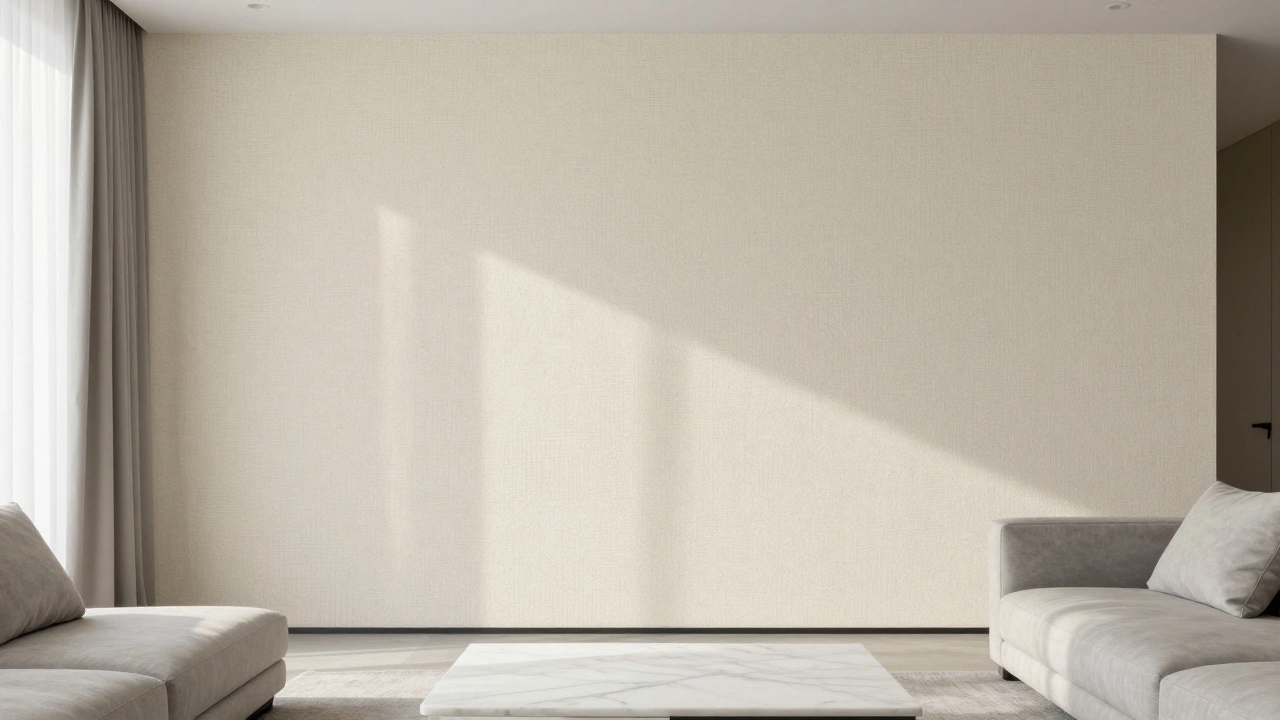
- Lighting Impact: Texture is designed to play with shadows, making a room feel warmer and more lived-in.
Why the sudden comeback?
We've spent the last decade obsessed with "minimalism," which often just meant white walls and smooth surfaces. The problem? Rooms started feeling cold. Humans have a biological need for touch and variety. When everything is flat, your brain stops registering the space as cozy. Designers are now leaning into "tactile minimalism," where the color palette stays neutral, but the textures are rich. It's the difference between wearing a plain white t-shirt and a heavy white linen shirt-both are white, but one feels expensive and intentional.
Modern technology has also changed the game. We aren't dealing with the peel-and-stick disasters of the 90s. Today's Vinyl Wallpaper is incredibly durable, and Grasscloth offers an organic, earthy vibe that fits perfectly with the current obsession with biophilic design-basically, bringing the outdoors inside.
Choosing the right texture for your room
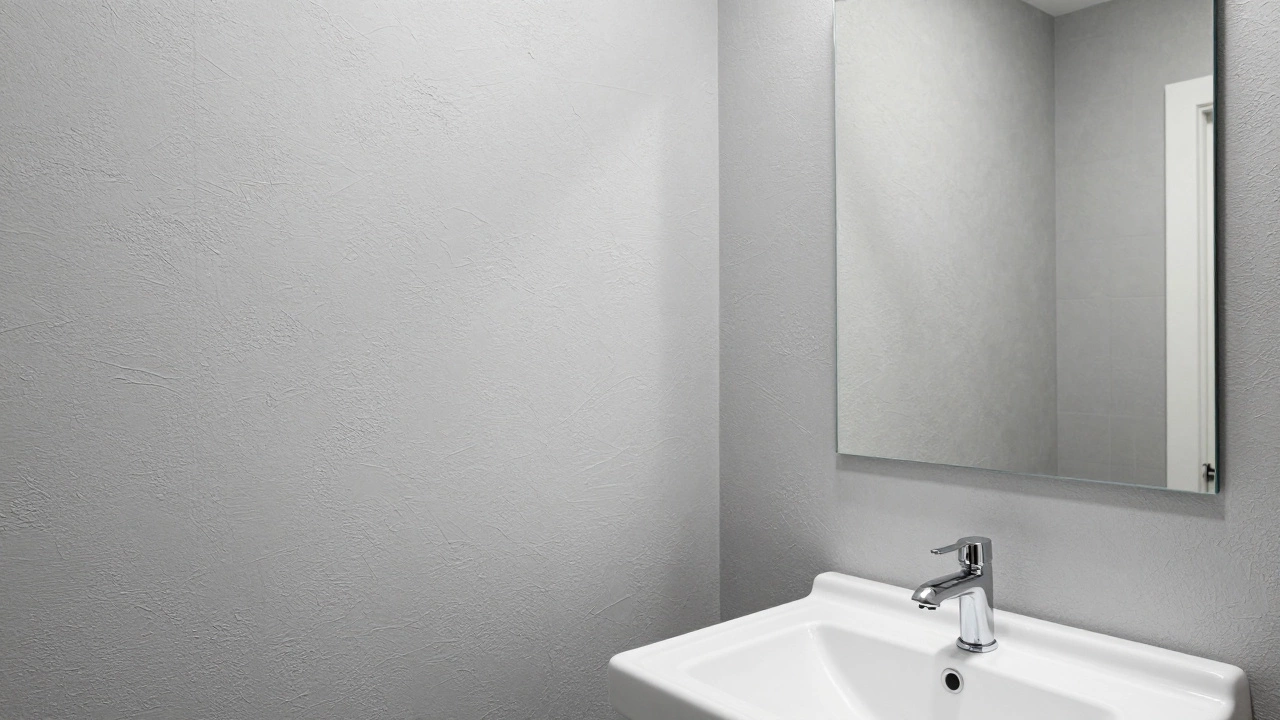
You can't just slap any textured paper on any wall. The scale of the texture has to match the scale of the room. If you put a chunky, oversized weave in a tiny powder room, it'll feel like the walls are closing in. If you put a tiny, subtle grain in a massive living room, it'll just look like a mistake in the paint job.
For a bedroom, look at soft-touch fabrics or faux-suede. These absorb sound, which makes the room quieter and more intimate. In a kitchen or bathroom, you need something scrubbable. This is where embossed vinyl comes in. It gives you the look of stone or plaster but can be wiped down with a damp cloth when you inevitably splash pasta sauce on the wall.
| Material | Vibe | Best Room | Maintenance |
|---|---|---|---|
| Grasscloth | Organic, Coastal | Living Room, Office | High (Vacuum only) |
| Embossed Vinyl | Modern, Clean | Kitchen, Bath | Low (Wipeable) |
| Fabric/Textile | Luxurious, Cozy | Bedroom, Dining | Medium (Dry clean) |
| Faux Plaster | Industrial, Raw | Entryway, Loft | Low (Dusting) |
The art of the accent wall (without the cliché)
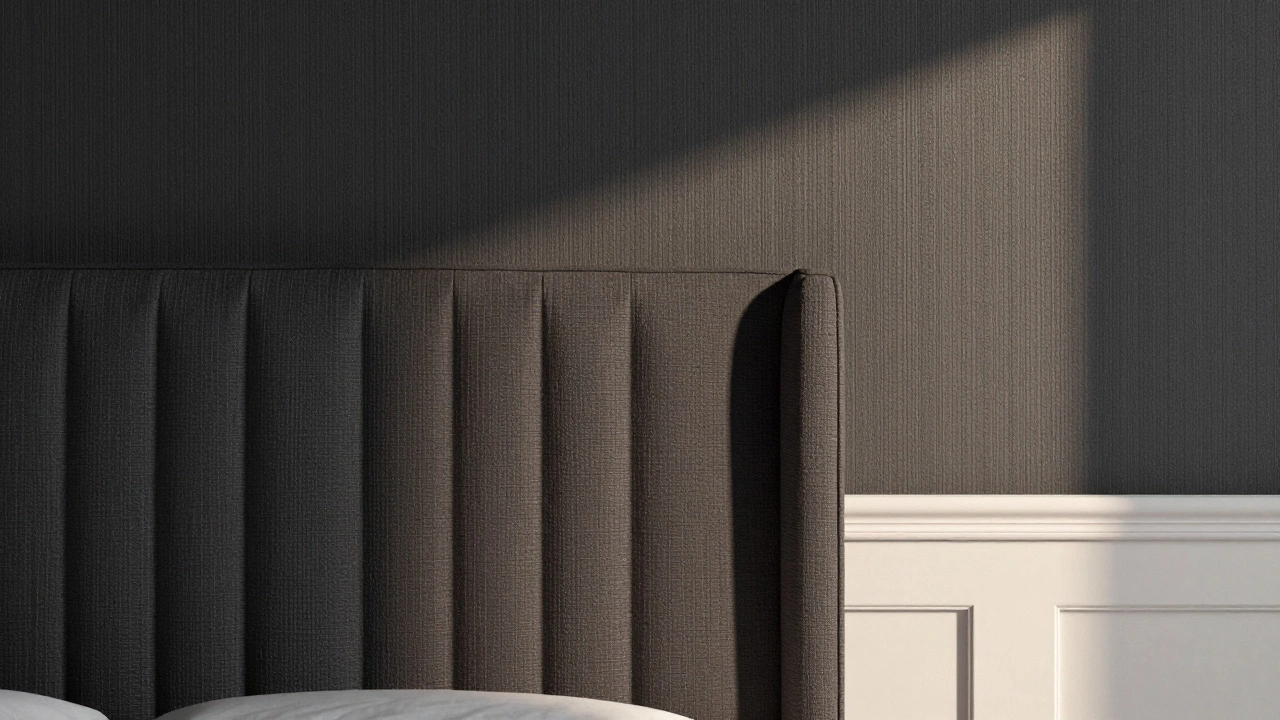
The "one accent wall" rule is a bit dated, but the concept of a focal point is still very real. Instead of just picking a random wall and making it a different color, use texture to create a destination. For example, wrap the wall behind your headboard in a deep-ribbed fabric. It turns the bed into a piece of sculpture. Or, use a metallic-threaded texture in a small hallway to bounce light into a dark area.
A pro move is to use Wainscoting in combination with textured paper. Put the texture on the top half of the wall and a clean, painted panel on the bottom. This prevents the room from feeling "too busy" and keeps the heavy texture away from where people's shoulders and bags will actually hit the wall.
Avoiding the "Dated" trap
How do you make sure your home doesn't look like a 1985 dentist's office? The secret is the color. The old-school look was defined by yellow-beiges and muddy browns. To keep it modern, stick to a palette of "complex neutrals." Think sage green, charcoal grey, warm terracotta, or creamy off-whites. When the color is sophisticated, the texture looks like an architectural choice rather than a leftover from a previous decade.
Another pitfall is over-texturing. If you have a shag rug, a velvet sofa, and textured wallpaper, you've created a sensory overload. Your eye needs a place to rest. Balance a heavy wall texture with smooth floors or a sleek, glass coffee table. It's all about the contrast. If everything is bumpy, nothing stands out.
Practical installation tips for the brave
Textured wallpaper is significantly harder to install than flat paper. Because the material is often thicker, it doesn't wrap around corners as easily. If you're doing it yourself, you'll need a professional-grade smoothing tool. Air bubbles are much more obvious on a textured surface because they disrupt the pattern of the ridges.
- Prep the surface: Textured paper is heavier. If your current paint is peeling, the weight of the new paper will pull it right off the wall. Sand it down and prime it first.
- Pattern match: Even if the texture is random (like grasscloth), there are still seams. Always overlap your seams slightly and use a seam roller to flatten them.
- Test the light: Put a sample piece on the wall and look at it at 8 AM and 8 PM. Texture creates shadows; a paper that looks subtle in the daylight might look like a corrugated shipping box under harsh LED spotlights.
Is it a smart investment?
From a real estate perspective, heavily patterned or brightly colored wallpaper can scare off buyers because it's too personal. Texture is different. A high-quality Wall Covering that looks like linen or stone adds perceived value to a home. It makes the walls look like they are made of a premium material rather than just layers of drywall and latex paint. It's a way to add "quiet luxury" without spending thousands on actual stone slabs or wood paneling.
Does textured wallpaper make a room feel smaller?
It depends on the color and scale. Dark, chunky textures can make a room feel more enclosed and intimate, which is great for bedrooms. However, light-colored, subtle textures-like a cream-colored linen-can actually make a room feel airier by adding a sense of depth that flat paint lacks.
How do I clean textured wallpaper?
This is the biggest drawback. Because the surface is uneven, dust and grime get trapped in the ridges. For fabric or grasscloth, a vacuum with a soft brush attachment is your best friend. For vinyl, you can use a damp cloth, but avoid scrubbing too hard as you might flatten the texture in one spot, leaving a permanent "bald patch."
Can I use textured wallpaper in a bathroom?
Yes, but only if you use a high-grade vinyl. Natural fibers like grasscloth or fabric will absorb moisture and develop mold in a humid bathroom. Look for "scrubbable vinyl" that is specifically rated for high-moisture areas.
Will it be hard to remove later?
Generally, yes. Because textured papers are thicker and often require stronger adhesives, they can be a pain to scrape off. If you're renting or like to change your style every two years, look for "peel-and-stick" textured options, though these are usually less durable than traditional paste-on versions.
What's the difference between embossed and woven texture?
Embossed texture is created by pressing a pattern into a material (usually vinyl) using heat and rollers. Woven texture is created by actually interlacing different fibers, like in grasscloth or linen. Woven textures usually look more expensive and natural, while embossed textures are more durable and uniform.
Next Steps: Moving Forward
If you're still on the fence, don't commit to a whole room immediately. Start with a powder room or a walk-in closet. These are low-risk areas where you can experiment with a bold texture without it overwhelming your daily life. Once you see how the light hits the walls during the day, you'll have a better idea of whether you want to scale up to the living room or bedroom.