Outdoor Furniture Rain Risk Calculator
Furniture Details
Analysis Result
Select your options and click Calculate to see how your furniture will fare.
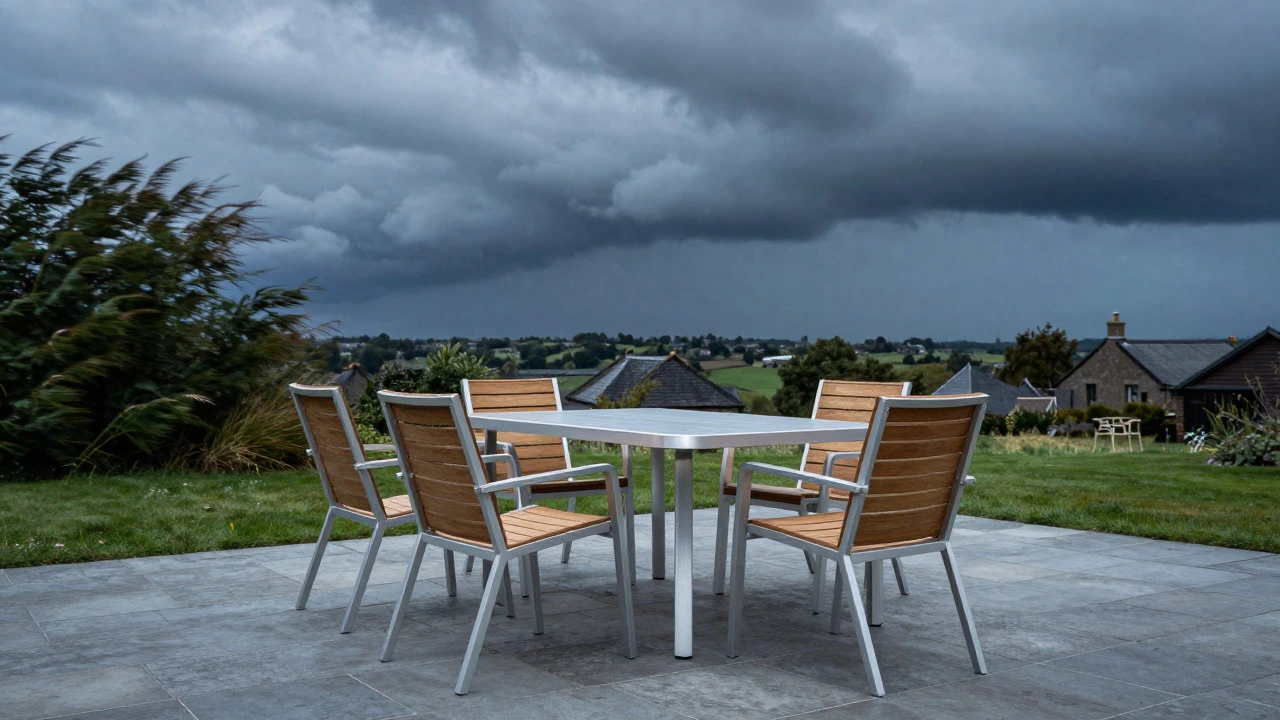
It starts with a dark cloud on the horizon. You’ve just finished setting up your patio for the evening, and suddenly the sky opens up. Do you scramble to cover everything, or do you let nature take its course? The short answer is: it depends entirely on what your furniture is made of. Not all outdoor furniture is created equal, and treating a delicate wicker chair like a rugged aluminum table is a recipe for disaster.
Living here in Wellington, where the wind can shift from a gentle breeze to a gale in minutes, I’ve learned that 'outdoor' doesn't automatically mean 'indestructible.' Manufacturers design these pieces to withstand elements, but there’s a huge difference between surviving a light drizzle and enduring months of relentless rain. Understanding the material composition of your set is the first step to keeping it looking new for years.
The Material Matters: What Survives the Storm?
The core factor determining whether your furniture can stay out in the rain is the material. Each type reacts differently to moisture, UV rays, and temperature changes. Let’s break down the most common options you’ll find on patios and decks.
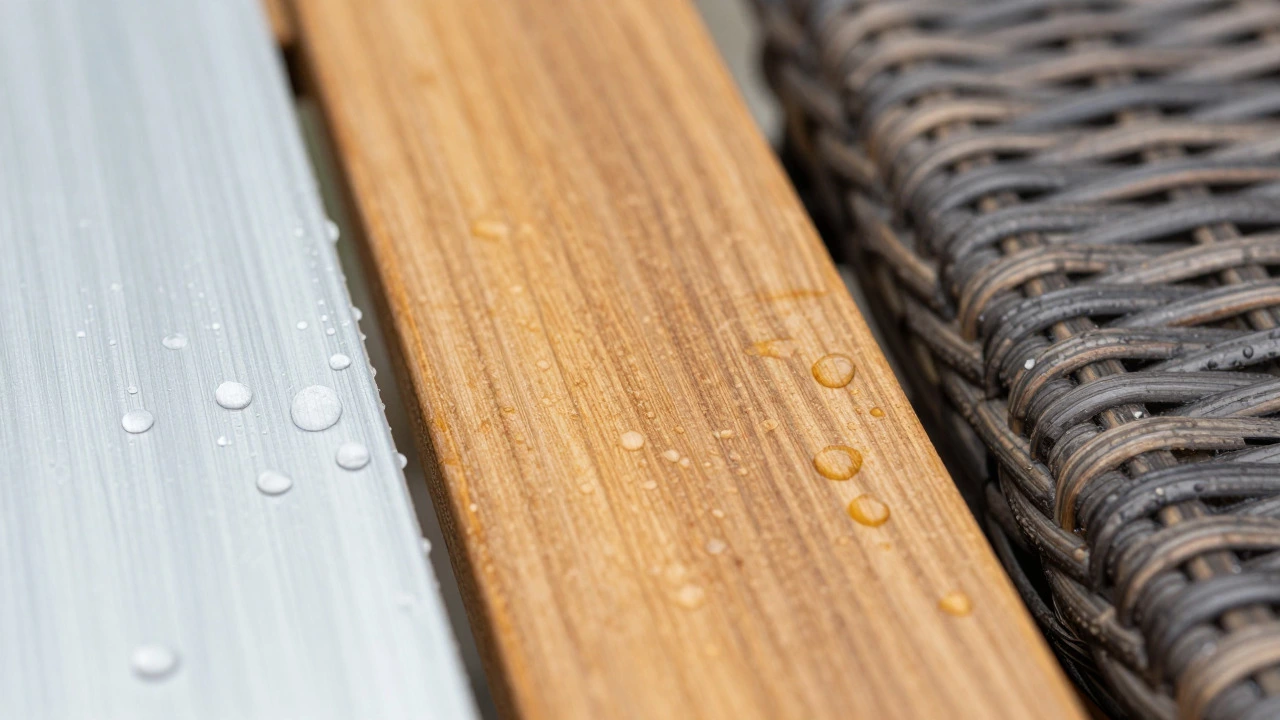
| Material | Rain Tolerance | Key Risks | Maintenance Needed |
|---|---|---|---|
| Aluminum | High | Oxidation if powder coating chips | Wipe down occasionally |
| Teak Wood | Very High | Silver-gray patina development | Optional oiling to keep golden color |
| Wicker/Rattan | Low to Medium | Mold, mildew, structural weakening | Cover or store during heavy rain |
| Steel/Iron | Medium | Rust formation at joints and scratches | Regular rust checks and touch-ups |
| Plastic/Polywood | High | Fading, becoming brittle over time | Soap and water wash |
Aluminum is a lightweight metal that naturally resists rust due to its oxide layer. Most quality outdoor aluminum furniture comes with a powder-coated finish. This coating acts as a shield against moisture. As long as that coating remains intact, you can leave aluminum sets out in the rain without worry. However, if you notice chips or scratches, water can reach the bare metal, leading to oxidation. It won’t rust like iron, but it will corrode and look dull over time.
Teak wood is a dense hardwood native to Southeast Asia known for its high natural oil content. These oils repel water and resist rot, making teak one of the best choices for wet climates. If you leave teak out in the rain, it will eventually turn a silvery-gray color. This isn’t damage; it’s a natural patina. Many people prefer this look, but if you want to maintain the original golden honey tone, you’ll need to apply teak oil regularly and consider covering it during prolonged storms.
Synthetic wicker, often made from polyethylene resin, is a durable alternative to natural rattan designed for outdoor use. While it’s more resistant than natural fibers, it’s not invincible. Water can get trapped underneath the weave, especially if the frame is aluminum or steel. Over time, this trapped moisture can lead to mold growth inside the cushions or corrosion of the underlying frame. Natural rattan should never be left outside in the rain-it will warp, crack, and disintegrate quickly.
The Hidden Enemy: Cushions and Fabrics
You might have a rock-solid aluminum frame, but if your cushions are soaked, your comfort zone is ruined. Fabric is usually the weak link in outdoor furniture sets. Even fabrics labeled 'water-resistant' aren't waterproof. They repel water for a short time, but prolonged exposure leads to saturation.
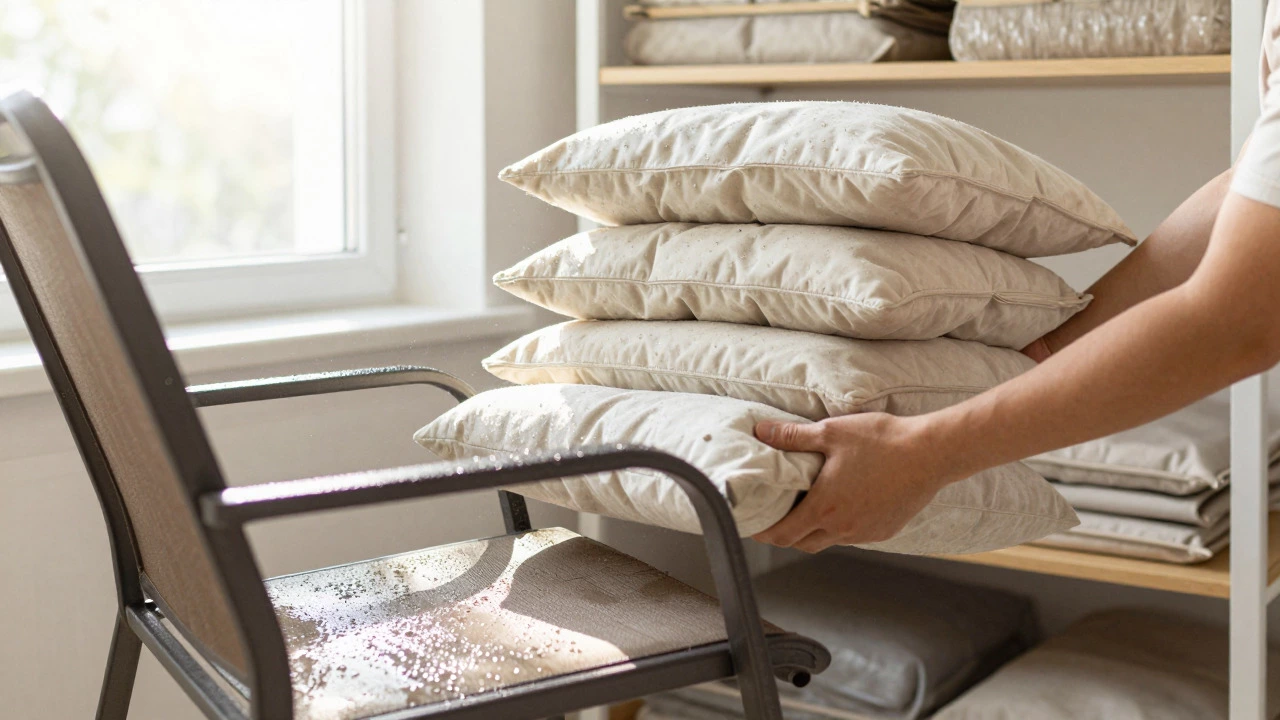
When cushions stay wet, two things happen. First, the foam core absorbs moisture. Wet foam takes days to dry completely, especially in humid conditions. Second, damp environments are breeding grounds for mold and mildew. That musty smell you hate? That’s mold spores thriving in your seat cushion. To prevent this, always remove cushions when rain is forecasted. Store them in a dry, ventilated area. If they do get wet, bring them inside immediately and prop them up to air dry. Never store wet cushions in plastic bags or closed containers.
Look for fabrics made from Solution-dyed acrylic, such as Sunbrella. This fabric has color pigments embedded throughout the fiber, making it highly resistant to fading and mildew. It dries faster than polyester blends and holds up better to repeated washing. Check the label for terms like 'UV resistant' and 'mildew resistant,' but remember: these features extend life, they don’t make the fabric indestructible.
Short-Term vs. Long-Term Exposure
There’s a big difference between leaving furniture out for an unexpected afternoon shower and leaving it exposed for weeks during a rainy season. Short-term exposure is generally manageable for most weather-resistant materials. Aluminum, teak, and polywood can handle occasional rain without issue. Just wipe them down once dry to remove mineral deposits or dirt that rain might have splashed onto the surface.
Long-term exposure tells a different story. Constant moisture accelerates wear and tear. Metal joints loosen, wood expands and contracts, and fabrics degrade faster under UV stress combined with wetness. In regions with high rainfall, like the Pacific Northwest or parts of New Zealand, seasonal storage is wise. If you plan to leave furniture out for months, invest in high-quality covers. But even then, ensure the furniture is dry before covering it. Trapping moisture under a cover creates a greenhouse effect, speeding up decay.
Practical Steps to Protect Your Investment
You don’t need to become a meteorologist to protect your furniture. A few simple habits can extend the life of your outdoor set significantly.
- Check the forecast: If heavy rain is predicted, move cushions inside. For lightweight chairs, consider stacking them under a pergola or eaves.
- Use breathable covers: Plastic tarps trap condensation. Choose covers made from canvas or specialized outdoor fabrics that allow airflow while blocking rain.
- Elevate off wet surfaces: Place furniture on pavers, deck boards, or gravel rather than directly on soil or concrete. This prevents water pooling underneath and reduces capillary action that draws moisture into wood or metal legs.
- Clean after storms: Rain can deposit pollutants, bird droppings, or tree sap. Wipe down surfaces with mild soap and water after major storms to prevent staining and chemical degradation.
- Inspect annually: Look for loose screws, chipped paint, or signs of rust. Tighten hardware and touch up finishes early to prevent small issues from becoming big repairs.
When to Bring It Inside
Some situations call for immediate action. If you’re facing hail, freezing temperatures, or hurricane-force winds, nothing stays outside. Hail can dent aluminum and crack glass tables. Freezing temps cause water trapped in crevices to expand, cracking stone, concrete, or even some plastics. Wind can topple lightweight sets, causing scratches or breaks upon impact.
If you live in an area with harsh winters, storing furniture indoors or in a shed is non-negotiable. Even teak, which handles cold well, benefits from being kept dry. Garage storage works fine, but avoid placing furniture directly on concrete floors. Use pallets or rubber mats to create a barrier against ground moisture.
Cost of Neglect vs. Cost of Care
Replacing a full outdoor dining set can cost anywhere from $500 to $3,000 depending on quality and brand. Compare that to the $20-$50 spent on a good set of covers and a few hours of annual maintenance. The math is clear. Neglect costs more in the long run. Plus, there’s the aesthetic value. Faded, stained, or rusty furniture ruins the vibe of your outdoor space. Taking care of your investment keeps your patio inviting and comfortable.
Can I leave my outdoor furniture outside in the rain overnight?
Yes, if the furniture is made of weather-resistant materials like aluminum, teak, or polywood. Remove cushions first to prevent mold. Wipe down the furniture the next day to remove any debris or mineral deposits left by evaporating water.
Will rain ruin my wicker furniture?
Synthetic wicker can handle occasional rain, but prolonged exposure leads to mold and frame corrosion. Natural wicker should never be left in the rain as it will warp and break down quickly. Always use covers or store wicker furniture during wet weather.
How do I stop my outdoor cushions from getting moldy?
Keep cushions dry by bringing them inside when rain is expected. If they get wet, air them out immediately. Use solution-dyed acrylic fabrics that resist mildew. Consider adding a moisture-wicking liner between the cushion cover and foam core for extra protection.
Is it better to cover outdoor furniture or bring it inside?
Bringing furniture inside is ideal for extreme weather or winter storage. For regular rain, high-quality breathable covers work well. Ensure furniture is completely dry before covering to avoid trapping moisture, which causes mold and corrosion.
What happens if I leave metal furniture in the rain too long?
Aluminum won’t rust but may oxidize if the protective coating is damaged. Steel and iron will rust, starting at scratches or joints. Rust weakens the structure and stains surrounding surfaces. Regular inspection and touch-up painting prevent serious damage.