Flooring Color Resale Value Estimator
Select a flooring color family below to see how it impacts your home's resale potential, buyer appeal, and return on investment (ROI). Data reflects current market trends for maximum broad-market appeal.
Warm Oak
Greige / Gray
Cool White
Dark Walnut
Bold Red
Natural Wood
You just spent thousands on new hardwood or luxury vinyl plank, and now you’re staring at the sample swatches. Should you go with the trendy dark walnut everyone is posting on Instagram? Or maybe that light, airy gray that makes your living room feel twice as big? Here’s the hard truth: while you might love bold choices, buyers do not. When it comes to selling your home, flooring isn’t just about aesthetics-it’s an asset class. Choosing the wrong color can actually subtract from your asking price, not because the floor is ugly, but because it clashes with the buyer’s vision of their future life.
The data is pretty clear. Neutral tones consistently outperform bold colors in terms of return on investment (ROI). But "neutral" is a broad term. Are we talking beige? Greige? Warm white? Cool gray? This guide breaks down exactly which flooring colors yield the highest resale value, why they work, and how to pick the right shade for your specific market.
Why Color Impacts Your Wallet More Than Material
Think about the last time you walked into a model home. Did the floors scream for attention? Probably not. They faded into the background, letting the furniture and lighting shine. That’s by design. Real estate agents and interior designers know that potential buyers need to see themselves in the space. If your floor is a deep, reddish mahogany, a buyer who loves modern, Scandinavian minimalism has to mentally rip up that wood before they can imagine their own sofa there. Every second a buyer spends imagining renovations is a second they spend negotiating your price down.
Neutral flooring acts as a blank canvas. It doesn’t compete with wall paint, cabinets, or upholstery. It creates a seamless flow from room to room, making small apartments feel larger and large homes feel cohesive. According to recent reports from the National Association of Realtors, minor upgrades like refinishing floors offer some of the highest cost recovery rates, often recouping 70-80% of costs. But this only holds true if the finish appeals to the widest possible audience. Bold colors narrow that audience; neutrals expand it.
The Top Contenders: Which Neutrals Win?
Not all neutrals are created equal. The trend cycle moves fast, but certain shades have proven staying power. Let’s look at the heavy hitters.
| Color Family | Buyer Appeal | Style Compatibility | Perceived Space | ROI Potential |
|---|---|---|---|---|
| Warm Oak / Natural Wood | High | Traditional, Farmhouse, Modern | Medium | Very High |
| Light Gray / Greige | High | Contemporary, Industrial, Minimalist | Large | High |
| Cool White / Off-White | Medium-High | Coastal, Scandi, Bright & Airy | Largest | Medium-High |
| Dark Walnut / Espresso | Low-Medium | Traditional, Formal | Small | Medium |
| Bold Red / Orange Tones | Low | Specific Vintage Styles Only | Small | Low |
Warm Oak and Natural Finishes: The Safe Bet
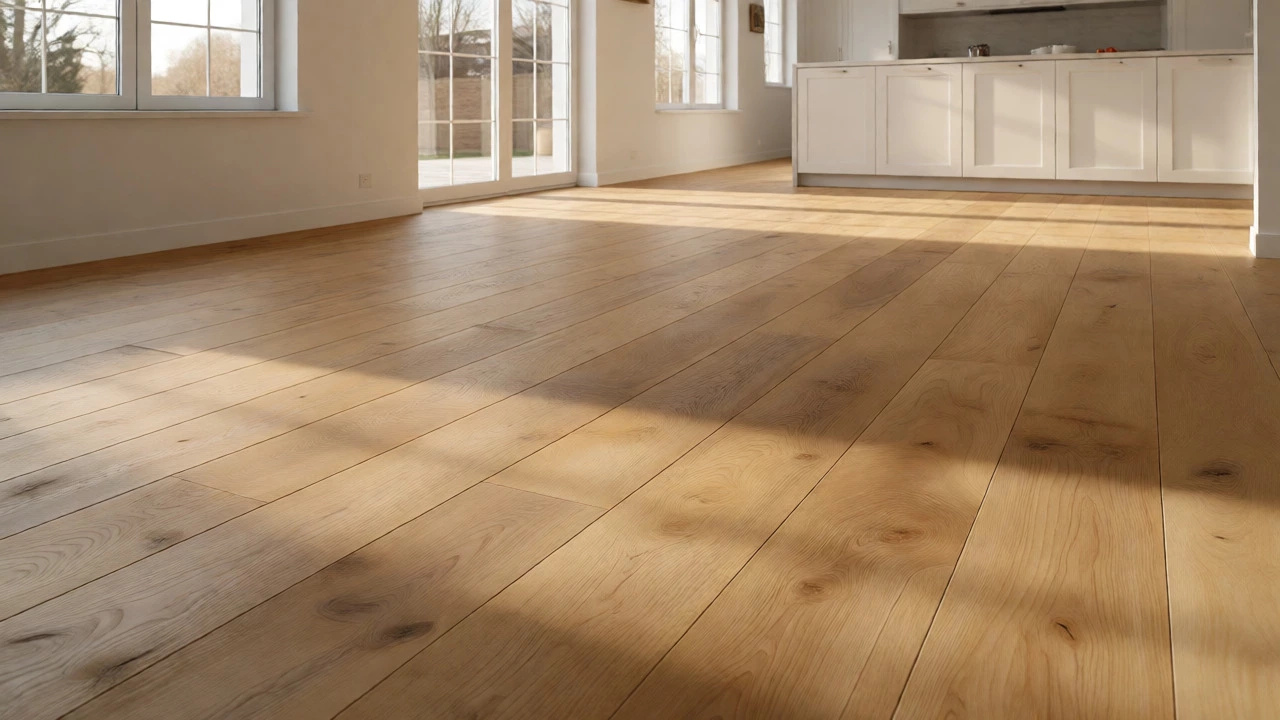
If you want one recommendation that works in almost every zip code, it’s warm oak. We aren’t talking about the yellow-orange polyurethane finishes from the 1990s that made houses look like high school gyms. We mean natural, matte-finished oak with subtle golden undertones. This color bridges the gap between traditional warmth and modern simplicity. It pairs beautifully with white kitchen cabinets, navy blue walls, or earthy greens. Because it mimics the natural state of the wood, buyers perceive it as authentic and timeless. It hides dust better than black floors and shows fewer scratches than light gray ones. For many sellers, refinishing existing hardwood to a natural stain is the cheapest way to boost appeal.
Greige and Light Gray: The Modern Standard
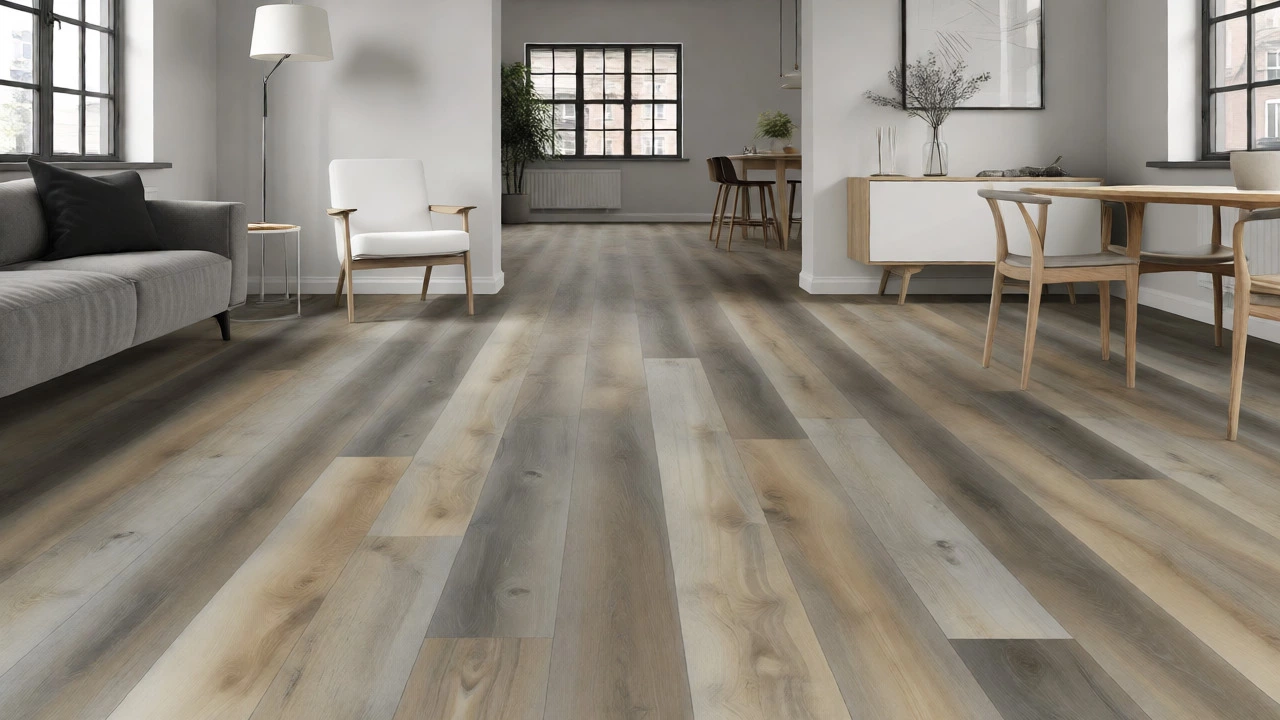
For years, cool gray dominated the market. While pure icy gray has started to fade slightly in favor of warmer tones, "greige"-a blend of gray and beige-remains incredibly strong. It feels clean and updated without being sterile. This color is particularly effective in open-concept layouts where you want to visually separate zones without using walls. However, be careful with temperature. In regions with lots of natural sunlight, a cool gray can look stark and cold. In darker climates, it can make a home feel gloomy. Always test large samples on your actual subfloor under different lighting conditions before committing. Buyers in urban lofts and suburban craftsman bungalows alike respond well to this versatile hue.
The Problem with Dark Floors
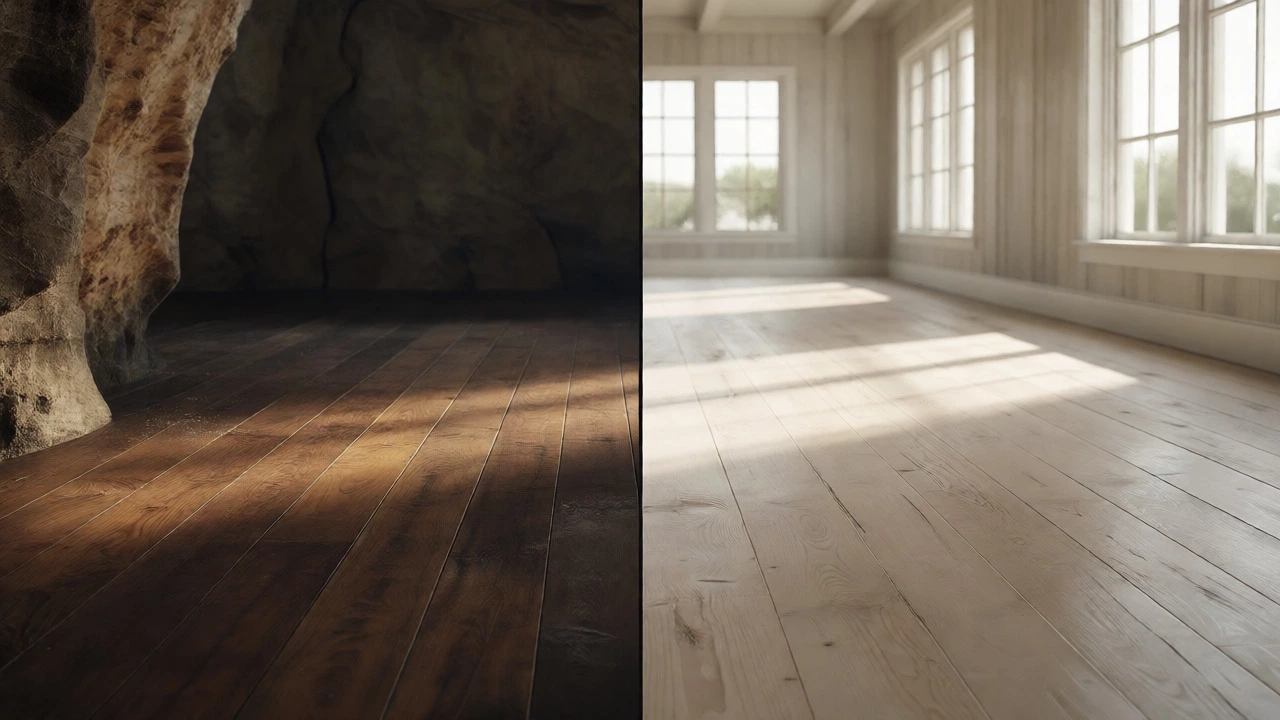
Dark espresso or near-black floors can look stunning in photos. They add drama and sophistication. But in person, they show every speck of dust, pet hair, and footprint. More importantly, they absorb light. If your home has limited windows or north-facing rooms, dark floors can make the space feel cave-like. Unless you are selling a high-end luxury property where buyers expect dramatic contrasts, dark floors often limit your buyer pool. They require significant maintenance, which is a deterrent for busy families or older downsizers looking for low-maintenance living.
Matching Floor Color to Your Home’s Architecture
Context matters. You wouldn’t wear a tuxedo to a beach party, and you shouldn’t put industrial concrete-gray floors in a Victorian Queen Anne. Aligning your floor color with your home’s architectural style signals to buyers that you respect the property’s character. This increases perceived value.
- Modern and Contemporary Homes: Stick to wide-plank light woods or polished concrete in neutral tones. These homes thrive on minimalism. Cluttered patterns or busy grain distract from the clean lines.
- Traditional and Colonial Homes: Medium-toned stains like cherry or maple work well here. They complement the ornate moldings and classic furniture styles common in these builds. Avoid ultra-modern grays, which can feel disjointed against historical details.
- Farmhouse and Craftsman Bungalows: Rustic, hand-scraped textures in warm browns or weathered whites fit perfectly. These styles celebrate imperfection and warmth. A glossy, uniform gray floor will feel out of place.
- Coastal and Cape Cod Styles: Whitewashed or very light blonde woods enhance the breezy, relaxed vibe. These floors reflect light, amplifying the connection to the outdoors.
Material Matters: Does LVP Count?
A decade ago, buyers turned their noses up at Luxury Vinyl Plank (LVP). Today, high-quality LVP is everywhere. Why? Because it’s durable, waterproof, and looks increasingly realistic. From a resale perspective, LVP is acceptable, provided it’s installed correctly and looks convincing. Cheap, shiny vinyl that reflects light like plastic is a red flag. Matte-finish LVP in neutral wood tones, however, is widely accepted. It offers the aesthetic of wood without the risk of water damage in kitchens and bathrooms. For entry-level and mid-market homes, quality LVP in a neutral tone can help you sell faster because buyers appreciate the practicality. Just ensure the planks are long enough (at least 48 inches) to avoid looking like cheap laminate.
Pitfalls to Avoid When Choosing a Resale-Friendly Color
Even within the neutral spectrum, mistakes happen. Here are three traps that kill ROI.
1. Ignoring Lighting Conditions Floor color changes dramatically based on light exposure. A sample that looks perfect in the store may turn purple in a dim hallway or blindingly white in a sun-drenched atrium. Always buy multiple large samples. Place them on the floor and observe them at morning, noon, and night. If you rely solely on digital screens, you’re gambling with your equity.
2. Following Micro-Trends Too Closely Trends like "blue-tinted gray" or "pink-hued beige" come and go quickly. What looks fresh today might look dated in three years when you’re ready to sell. Classic neutrals-those found in nature like sand, stone, and bark-have decades-long relevance. Don’t chase the Pinterest board of the month; chase the palette that has survived ten years of design cycles.
3. Mixing Too Many Undertones If your cabinets are warm cream, don’t install a floor with a cool green undertone. The clash creates visual tension. Buyers might not articulate why a room feels "off," but they’ll feel it. Keep undertones consistent throughout the main living areas. If you must change colors between rooms, do so gradually or use transitions that make sense architecturally, such as changing materials at a doorway rather than just shifting stain color arbitrarily.
How to Maximize Value Without Replacing Floors
What if you already have floors you hate, but replacing them isn’t in the budget? Refinishing is your best friend. Sanding down old hardwood and applying a neutral stain costs a fraction of replacement. Even if you have carpet, consider removing it entirely if there’s decent wood underneath. Exposed hardwood is always more valuable than carpet. If you must keep carpet, choose a neutral, low-pile option in a light beige or taupe. Dark carpets shrink rooms; light carpets expand them.
Another quick win: polish. Sometimes the color isn’t the problem; the finish is. Switching from a high-gloss polyurethane to a satin or matte finish instantly modernizes a space. Glossy floors highlight imperfections and feel dated. Matte finishes hide scratches and align with current preferences for natural-looking surfaces.
Does gray flooring still have good resale value in 2026?
Yes, but with caveats. Pure cool gray is declining slightly in favor of warmer neutrals. However, "greige" (gray-beige) remains highly popular. If you choose gray, opt for a warmer shade with brown or beige undertones rather than a stark, icy gray. This ensures broader appeal across different design tastes.
Is dark wood flooring bad for resale?
It can be. Dark floors show dirt easily and can make small rooms feel smaller. While they appeal to a niche of buyers who prefer formal or dramatic interiors, they limit your overall buyer pool. For maximum resale value, medium to light tones are safer bets unless you are in a luxury market where dark contrasts are expected.
Should I match my floor color to my cabinets?
No, matching exactly often looks flat and dated. Instead, aim for complementary contrast. If you have white cabinets, any neutral floor works. If you have dark cabinets, a lighter floor creates balance. The goal is harmony, not uniformity. Ensure the undertones (warm vs. cool) are compatible to avoid visual clash.
Do buyers prefer matte or glossy floors?
Current trends strongly favor matte or satin finishes. Glossy floors are considered high-maintenance and outdated by many modern buyers. A matte finish hides scratches, dust, and footprints better, which is a major selling point for families with pets or children. It also gives a more natural, organic look that aligns with contemporary design preferences.
Is Luxury Vinyl Plank (LVP) worth it for resale?
Yes, high-quality LVP is widely accepted. It appeals to buyers looking for durability and low maintenance, especially in moisture-prone areas like kitchens and basements. Choose products with realistic wood grain textures and matte finishes. Avoid cheap options that look plastic-y. Proper installation is key to ensuring it adds value rather than detracting from it.