

Sofa Bed Comfort & Fix Calculator
Step 1: Identify Your Setup
Enter your details to see why your guests might be waking up in pain and how to fix it.
There is nothing worse than inviting a guest over for the night and watching them squirm, twist, and groan as they try to find a comfortable position on your sofa bed is a dual-purpose piece of furniture designed for both sitting and sleeping.. You bought it to be helpful. Instead, you’ve provided them with a chiropractic bill. If you are asking yourself why your sofa bed feels like a bag of rocks wrapped in thin fabric, you are not alone. The discomfort usually comes down to three things: the mechanical structure, the thin mattress, or the wrong type of mechanism for your body.
The Mechanics: Why Hinges Hurt Your Back
To understand the pain, you have to look at what’s underneath the cushions. Most standard sofa beds use one of two mechanisms: the click-clack (or tri-fold) and the pull-out sleeper. Each has distinct flaws that affect sleep quality.
The click-clack mechanism is a folding system where the backrest folds down to meet the seat, often creating a central hinge point. This design is popular because it is easy to convert and takes up less floor space when open. However, it almost always leaves a visible gap or a hard ridge right down the middle of the sleeping surface. Unless you sleep exclusively on your side and align perfectly with that seam, your spine will bridge across the gap or rest directly on the metal bar. This creates pressure points that cut off circulation and cause lower back stiffness by morning.
Then there is the traditional pull-out sleeper sofa is a sofa with a hidden metal frame and mattress that slides out from beneath the seat cushions. These feel more substantial but introduce a different problem: the metal slats. The internal frame consists of thin steel rods spaced several inches apart. When you lie on top of the thin foam mattress provided, those rods can press into your hips and shoulders. Over time, the tension springs that hold this frame together can sag, causing the entire sleeping surface to dip in the center, leaving you feeling like you are sleeping in a hammock made of wire.
The Mattress Problem: Foam That Isn’t Enough
Even if the mechanism is perfect, the mattress itself is rarely designed for actual sleep. Manufacturers prioritize the "sitting" experience. They want the seat cushions to be firm enough to support your weight while watching TV but soft enough to sink into slightly. To achieve this, they use high-density foam that is often only two to four inches thick.
When you lay flat, that same foam compresses entirely. You lose the cushioning effect and end up feeling the wooden base or metal frame below. Standard sofa bed mattresses lack the zoned support found in real beds. A proper mattress has firmer support in the lumbar region and softer zones for the shoulders and hips. A sofa bed mattress is usually uniform density, meaning it either pushes up against your lower back too hard or lets your hips sink too far, misaligning your spine.
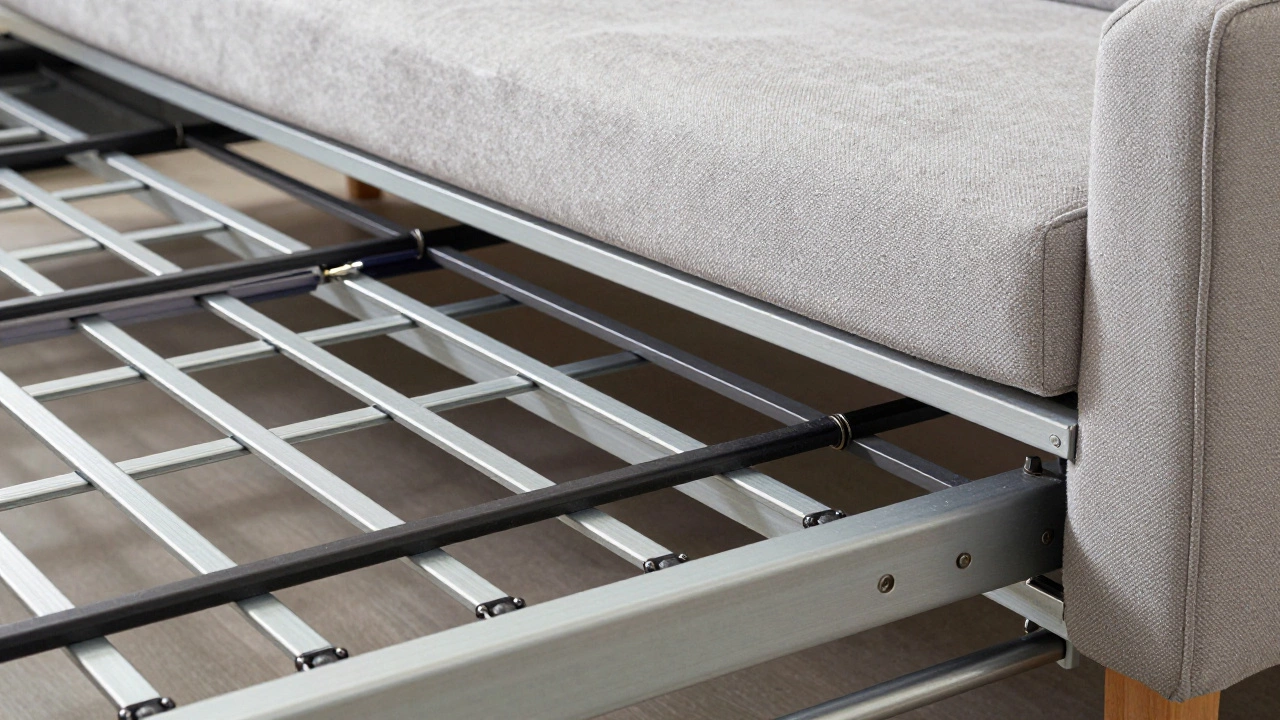
Comparing Mechanisms: Which One Should You Choose?
If you are in the market for a replacement or trying to diagnose your current setup, understanding the differences between these types is crucial. Here is how the most common designs stack up regarding comfort and durability.
| Mechanism Type | Comfort Level | Ease of Conversion | Durability | Best For |
|---|---|---|---|---|
| Click-Clack / Tri-Fold | Low (central gap) | Very High (one motion) | Medium | Occasional guests, small spaces |
| Pull-Out Sleeper | Medium (metal slat feel) | Medium (requires pulling) | High | Frequent overnight guests |
| Hideaway / Futon | Variable (depends on mattress) | High | Medium | Minimalist styles, younger demographics |
| Sectional Chaise | High (no moving parts) | N/A (always open) | Very High | Daily napping, permanent guest rooms |
Immediate Fixes: How to Make Your Current Sofa Bed Sleepable
You don’t necessarily need to throw away your furniture to fix the problem. There are several practical modifications you can make tonight to improve comfort significantly. These solutions address the specific pain points mentioned earlier: the gap, the hardness, and the alignment.
- Add a Topper: This is the single most effective upgrade. Buy a memory foam or latex mattress topper that is at least three inches thick. Memory foam conforms to your body shape, filling in the gaps caused by the central hinge or metal slats. Latex provides more bounce and cooling properties. Ensure the topper has a non-slip bottom so it doesn’t slide off when you move.
- Use a Gap Filler Pillow: If you have a click-clack sofa with a nasty seam down the middle, place a long, cylindrical bolster pillow or a tightly rolled towel along that line before putting on the sheets. This bridges the void and prevents your spine from sinking into the crack.
- Swap the Sheets: Standard fitted sheets are nightmares for sofa beds because the corners don’t match the rectangular or triangular shapes of the folded sections. Use a flat sheet instead. Tuck it in tightly around the edges, or better yet, buy a specifically designed "sofa bed sheet set" which often includes elastic straps to secure the bedding to the frame.
- Check the Legs: Sometimes the discomfort isn’t the mattress but the stability. If the sofa wobbles, the frame flexes when you move, creating an unsettling sensation. Tighten any loose screws or bolts on the legs and the internal frame. A stable base makes the whole unit feel more solid and supportive.
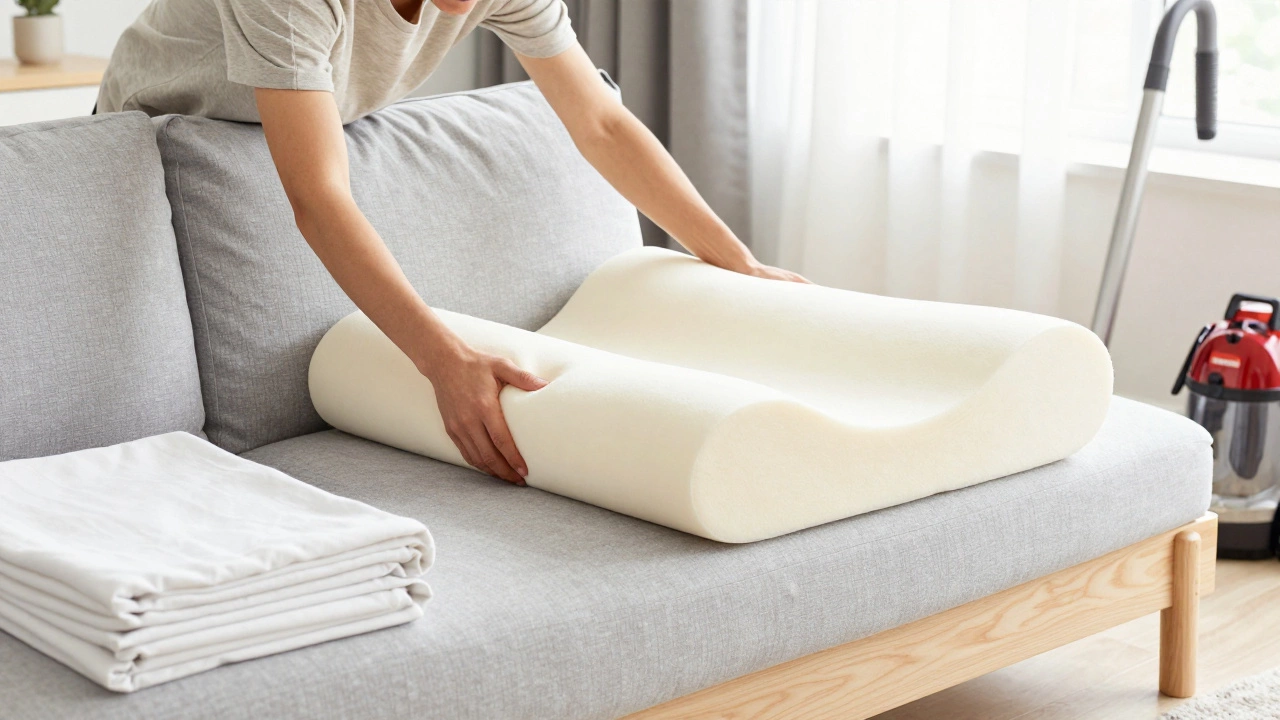
Long-Term Solutions: Buying Better Next Time
If you plan to replace your current setup, focus on the specifications rather than the aesthetics. Look for these key features to ensure your next purchase is actually comfortable for sleeping.
First, check the mattress thickness is the depth of the sleeping surface, typically measured in inches. Avoid anything under four inches. Ideally, look for models that advertise a "premium mattress" or include a separate, removable mattress pad. Some high-end brands offer sofa beds with full-size twin mattresses that sit on top of the frame, completely eliminating the issue of thin foam.
Second, consider the zero-gap technology is a design feature that eliminates the central seam in fold-out sofas. Many modern manufacturers have developed hinges that lock flush together, removing the painful ridge. While these models are often more expensive, they provide a much flatter, more consistent sleeping surface.
Finally, think about whether you even need a convertible sofa. If you have a dedicated guest room, a standard guest bed is a standalone bed kept in a spare room for visitors. is infinitely more comfortable. If you live in a studio apartment, consider a daybed is a piece of furniture that looks like a couch but functions as a bed with a headboard. with a proper twin mattress. It serves the same dual purpose without the complex mechanics that compromise comfort.
Maintenance Tips to Preserve Comfort
A sofa bed that is never converted becomes stiff and difficult to open. A sofa bed that is opened every day wears out faster. Find a balance. Open and close the mechanism once a month to keep the hinges lubricated and the springs flexible. Apply a silicone-based lubricant to the moving parts if you hear squeaking. Vacuum the crevices regularly; dust and debris accumulate in the folds and can create lumps that feel like foreign objects under your skin. Rotate the mattress topper every few weeks to prevent permanent indentations from forming in the same spots.
Is it normal for a sofa bed to be uncomfortable?
Yes, it is very common. Most sofa beds are engineered primarily for seating comfort and space efficiency, not for eight hours of sleep. The thin mattresses and mechanical frames often create pressure points. However, "normal" doesn't mean "acceptable." With a good topper and proper maintenance, you can significantly reduce the discomfort.
What is the best type of mattress topper for a sofa bed?
Memory foam is generally the best choice because it contours to the body, filling in gaps created by hinges or slats. Look for a density of at least 3 pounds per cubic foot and a thickness of 3 to 4 inches. Latex is a good alternative if you prefer a cooler, bouncier feel.
How do I fix the gap in the middle of my sofa bed?
You can bridge the gap by placing a long bolster pillow, a rolled-up blanket, or a specialized foam wedge along the seam before making the bed. This prevents your spine from sinking into the crack and provides a flatter surface.
Can I put a regular mattress on a sofa bed frame?
Generally, no. Regular mattresses are too heavy and thick for most sofa bed mechanisms, which could damage the frame or prevent it from closing. Stick to toppers designed specifically for sleeper sofas or lightweight air mattresses placed on top of the existing surface.
Why does my sofa bed smell musty after being closed?
Trapped moisture and body heat can lead to mildew or odors inside the folds. Always allow the sofa bed to air out for at least 15 minutes after opening it before using it. Vacuum the crevices regularly and consider using a baking soda sprinkle to absorb odors before vacuuming again.