Furniture Storage Safety Checker
Answer the questions below to get a safety score and specific recommendations for storing your furniture.
1. Define Your Scenario
2. Assessment & Recommendations
Select options above and click "Check Safety Score" to see your results.
--
Risk LevelPreparation Checklist:
You’ve just moved into a smaller apartment, or maybe you’re renovating and need to clear out the living room. The obvious solution is renting a storage unit. But then the worry hits: will my beloved oak dining table survive six months in a concrete box? Will that velvet sofa come back covered in mold or eaten by silverfish?
The short answer is yes, storage units are generally safe for furniture. But "generally" is doing a lot of heavy lifting there. If you toss your favorite armchair into a damp, unventilated shed without prep work, you’re asking for trouble. Success comes down to three things: preparation, environment, and placement. Let’s break down exactly how to keep your stuff pristine.
Climate Control vs. Standard Units
This is the single biggest factor determining whether your furniture stays fresh or starts smelling like a wet dog. In most places, including here in Wellington where humidity can be sneaky, standard drive-up units are fine for non-sensitive items like metal shelving or plastic bins. But wood, leather, and fabric? They hate fluctuating temperatures and high moisture.
Climate-controlled units maintain a consistent temperature (usually between 13°C and 24°C) and regulate humidity levels. This prevents wood from expanding and contracting, which causes warping and cracking. It also stops condensation from forming on surfaces, which is the primary cause of mold growth on upholstery.
Do you always need climate control? No. If you’re storing solid pine bookshelves for two weeks, skip it. But if you’re keeping an antique mahogany dresser or a genuine leather recliner through a winter, pay the extra $20-$50 a month. It’s cheaper than refinishing or replacing.
| Feature | Standard Drive-Up | Climate-Controlled |
|---|---|---|
| Temperature Stability | Low (Fluctuates with weather) | High (Consistent year-round) |
| Humidity Control | None | Dehumidified air circulation |
| Best For | Metal, plastic, tools, outdoor gear | Wood, electronics, art, textiles |
| Cost | $ - Lower | $$ - Higher |
Pest Prevention: The Silent Destroyers
Rats and mice love cardboard boxes. Silverfish love paper and glue. Termites love untreated wood. If you don’t seal your unit properly, you’re inviting them in for dinner.
Before you load anything up, walk around the perimeter of the unit. Look for gaps around the door frame or holes in the walls. Even a pencil-sized gap lets a mouse squeeze through. Most modern facilities have tight seals, but older ones might not. If you spot gaps, use steel wool to plug them-mice can’t chew through it-and ask management to caulk it if they allow it.
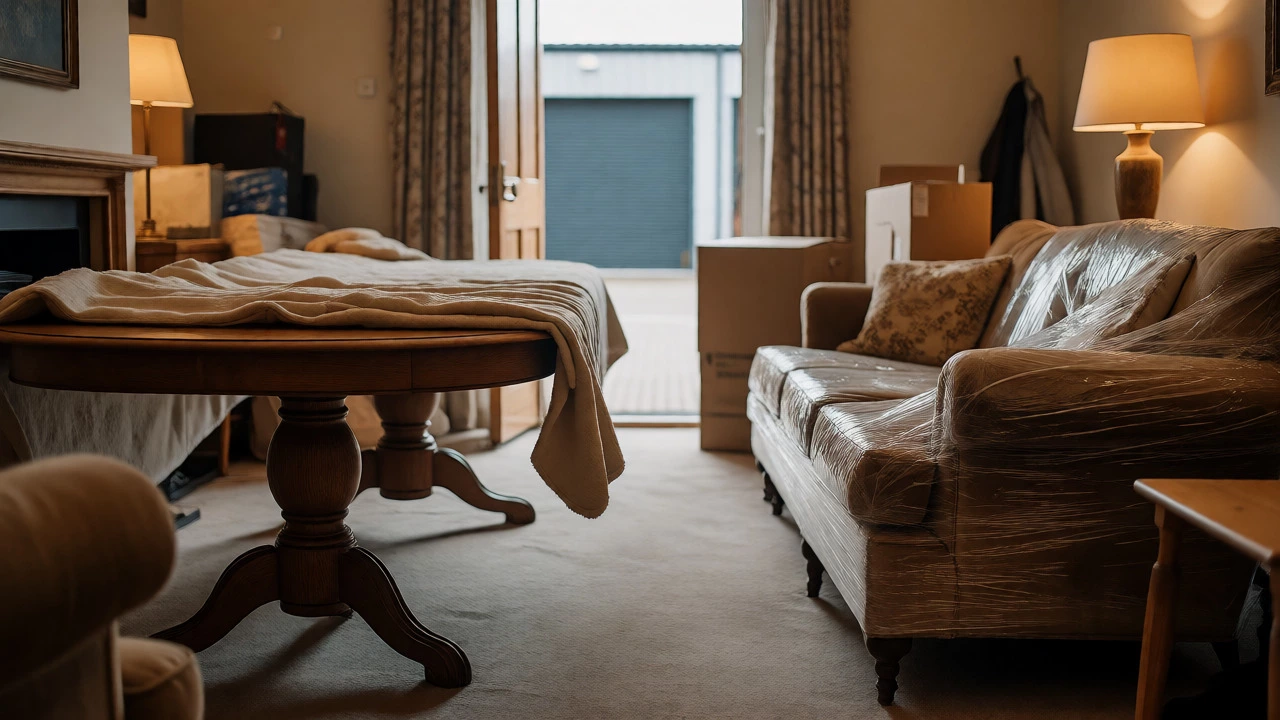
Inside the unit, avoid using cardboard for long-term storage if possible. Cardboard absorbs moisture and serves as food for pests. Instead, use plastic bins with tight-fitting lids. If you must use cardboard for bulky items like lamps, wrap them tightly in plastic stretch film first. This creates a barrier against both moisture and bugs.
For upholstered furniture, consider using cedar blocks or lavender sachets. They repel moths and other insects naturally without leaving a chemical smell on your cushions. Avoid mothballs; they leave a lingering odor that takes months to air out.
Preparing Your Furniture for Long-Term Storage
You wouldn’t store dirty laundry in a sealed bag for a year, so why store dirty furniture? Dirt, oils, and food particles attract pests and cause stains to set permanently over time.
- Clean everything: Vacuum sofas thoroughly, including under the cushions. Wipe down wooden surfaces with a gentle cleaner appropriate for the finish. Let everything dry completely before packing.
- Disassemble what you can: Take legs off tables and beds. Not only does this save space, but it also reduces stress on joints during transport. Keep screws and small parts in labeled ziplock bags taped directly to the furniture piece so you don’t lose them.
- Protect delicate finishes: Use blankets, moving pads, or specialized furniture covers. Avoid wrapping wooden pieces in plastic sheeting alone; trapped moisture can ruin the varnish. Wrap in cotton blankets first, then add a breathable cover.
One common mistake people make is stacking heavy items on top of glass-top tables or mirrored wardrobes. Glass doesn’t flex like wood. If the floor shifts slightly or someone leans a heavy box against it, cracks can form. Store glass items vertically against a wall, padded with foam or blankets, rather than flat on the floor.
Placement and Stacking Strategy
How you arrange the unit matters as much as what goes in it. Airflow is key. If you pack the unit so tight that there’s no space between items, air can’t circulate. This leads to hot spots and potential mold growth, even in climate-controlled environments.
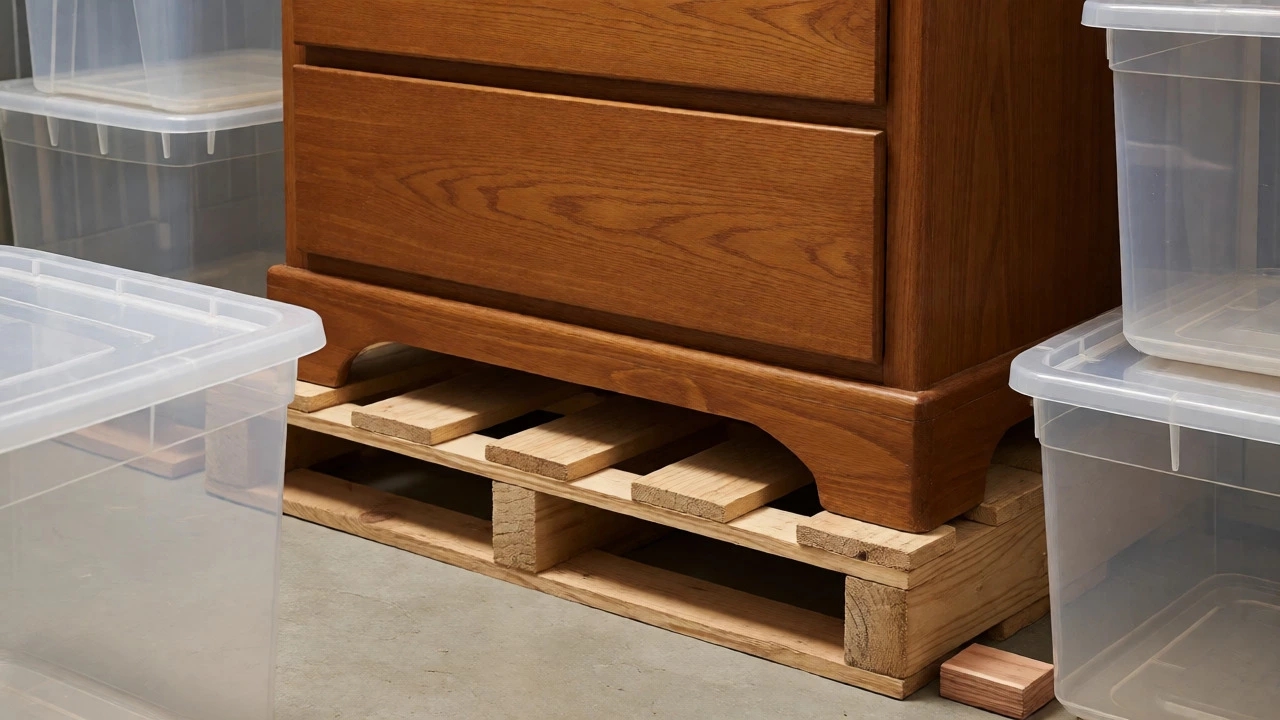
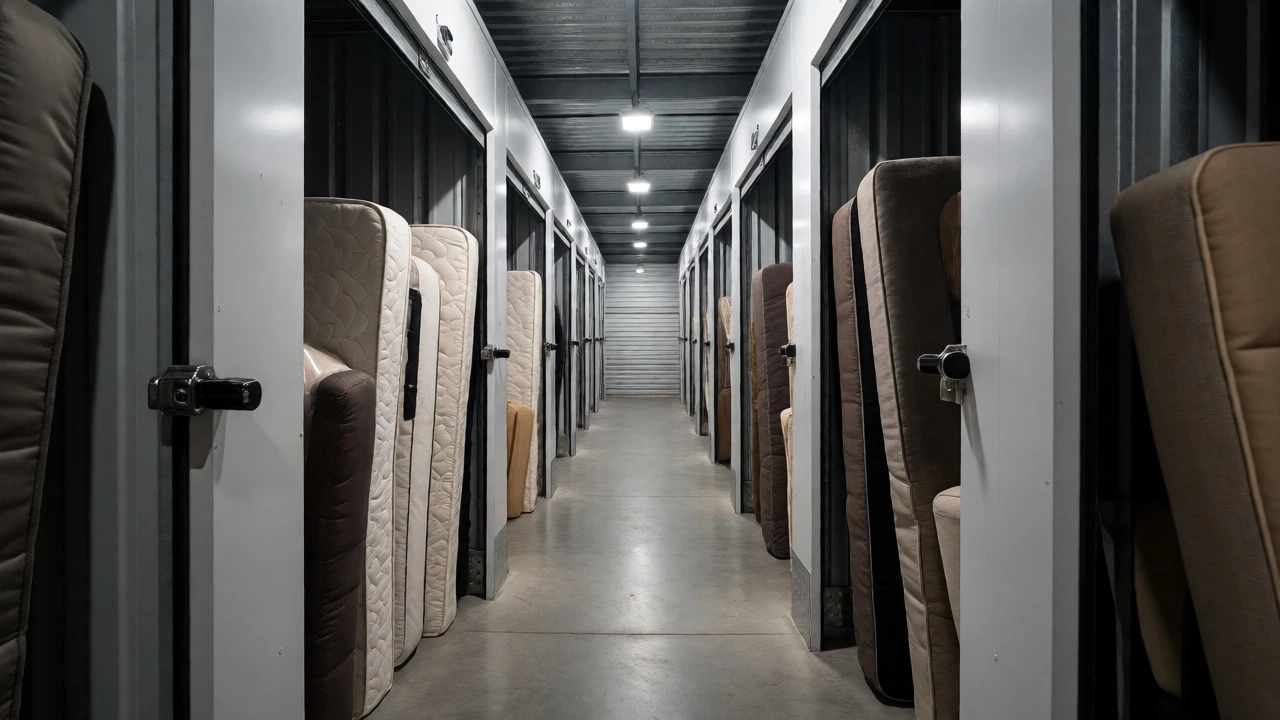
Start with large, heavy items at the back and near the walls. Place mattresses and sofas upright if possible-this saves massive amounts of floor space. However, ensure they are supported so they don’t tip over. Use pallets or wooden slats to lift furniture off the concrete floor. Concrete draws moisture from the ground, especially in humid climates. Keeping items elevated by just four inches makes a huge difference.
Leave a narrow aisle in the center if you plan to access specific items later. You’ll thank yourself when you don’t have to move three boxes to get to one lamp. Also, avoid leaning tall items against each other without support. Over time, gravity and vibration can cause them to slide and crash.
Security Concerns: Is My Stuff Actually Safe?
Fear of theft is real, but statistically, self-storage theft is lower than most people think. Modern facilities invest heavily in security because their reputation depends on it.
Look for facilities with these features:
- Gated access with individual codes: Everyone who enters has a digital trail.
- On-site management: Staff present during business hours deter casual thieves.
- Perimeter fencing and lighting: Motion-sensor lights eliminate dark corners.
- Unit-specific locks: Bring your own padlock, preferably a disc lock. These are harder to cut than standard shackle padlocks.
Insurance is another layer of safety. Your homeowner’s or renter’s insurance policy often covers items in storage, but check the limits. Many policies exclude damage from pests or mold unless you prove negligence on the facility’s part. Consider buying storage-specific insurance if you’re storing high-value antiques or electronics. It’s usually cheap-often less than 1% of the value per year-and gives you peace of mind.
Common Mistakes That Ruin Furniture
I’ve seen plenty of disasters caused by simple oversights. Here are the big ones to avoid:
Storing wet items: Never put a damp rug or towel in storage. Mold spores are everywhere; give them moisture and warmth, and they’ll colonize within days. Ensure everything is bone-dry.
Using rubber-backed rugs on wood: Some rubber backs react with wood finishes, leaving permanent marks. Put a cloth barrier between any rubber-backed item and wooden floors or furniture.
Ignoring the lease terms: Read the fine print. Some facilities prohibit certain items like flammable liquids or perishables. Violating terms can void your insurance coverage.
Overpacking: If you cram too much in, you risk damaging items by forcing them together. Leave breathing room. It’s better to rent a slightly larger unit than to squeeze everything into a tiny one and end up with broken furniture.
Final Thoughts on Safety
Are storage units safe for furniture? Absolutely, provided you treat them with respect. They aren’t magic boxes that preserve things indefinitely without care. Think of a storage unit as a temporary home for your belongings-it needs cleaning, protection, and proper ventilation just like your actual house.
If you follow the basics-clean, dry, elevate, and secure-you can store almost any piece of furniture for years without significant degradation. The money you spend on a climate-controlled unit or good packing materials is negligible compared to the cost of replacing a damaged heirloom. So go ahead, clear out that garage, and rest easy knowing your stuff is safe.
Can I store a mattress in a standard storage unit?
Yes, but it’s risky in non-climate-controlled units due to humidity. Mattresses absorb moisture easily, leading to mold and mildew smells. Always place the mattress on a pallet to keep it off the concrete floor, and consider wrapping it in a breathable mattress bag. If possible, opt for a climate-controlled unit for mattresses longer than three months.
Do I need to empty drawers before storing dressers?
It’s highly recommended. Heavy contents can warp drawer runners or cause the dresser to become unstable during transport. Additionally, pests are attracted to crumbs or fabrics left inside. Emptying drawers also reduces the overall weight, making the piece easier to move and stack safely.
How often should I check on my stored furniture?
Ideally, every 3 to 6 months. Check for signs of pests, water leaks, or shifting stacks. This allows you to catch issues early before they cause major damage. If you live far away, try to visit at least once a year to inspect the condition of your items.
Is it safe to store electronics in a storage unit?
Electronics are sensitive to temperature fluctuations and humidity. Extreme heat can melt solder or degrade batteries, while humidity causes corrosion. Always store electronics in climate-controlled units. Remove batteries from devices to prevent leakage, and wrap them in anti-static bubble wrap for added protection.
What is the best way to protect wooden furniture?
Clean the wood thoroughly and apply a polish or wax suitable for the finish. Wrap the piece in moving blankets or cotton sheets to prevent scratches and dust accumulation. Avoid direct plastic contact with unfinished wood, as it traps moisture. Elevate the furniture on pallets to prevent ground moisture absorption.