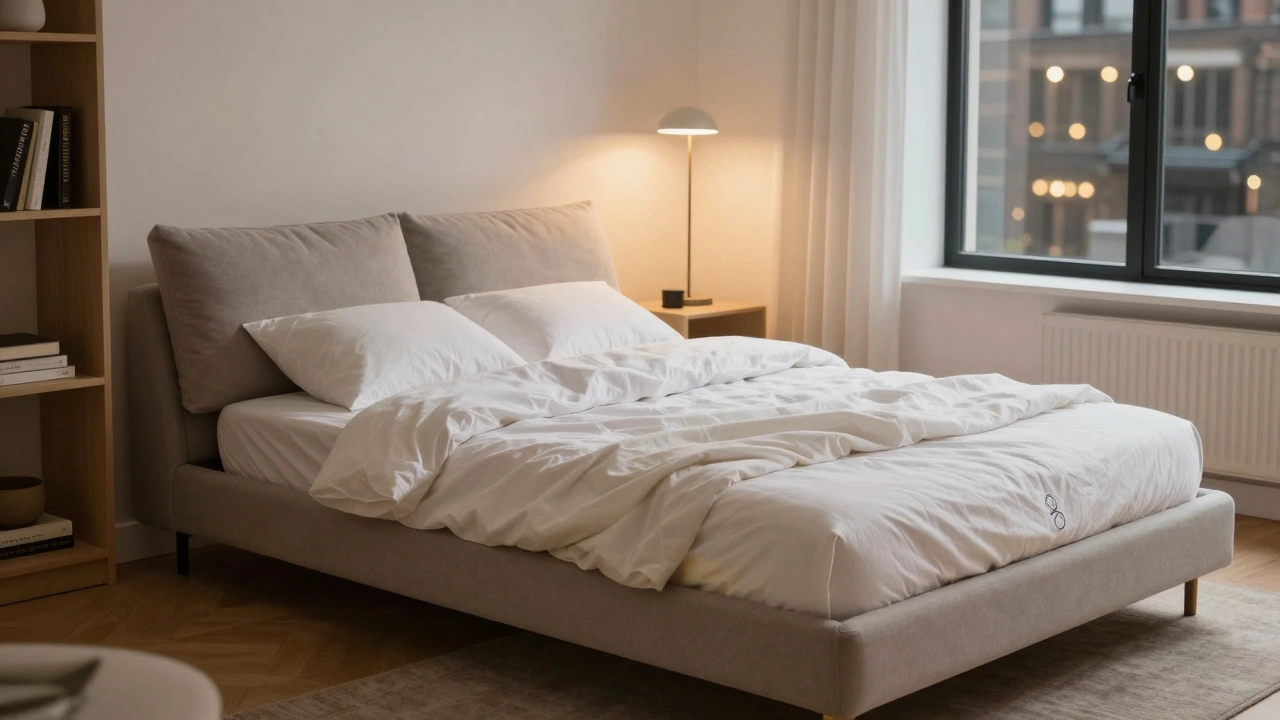
Let’s be honest - when you’re short on space, the idea of a sleeper sofa feels like a miracle. You get a couch for watching TV, and at night, it turns into a bed. No need to buy two separate pieces. But here’s the real question: sleeper sofa is it actually worth it? Or are you just trading comfort for convenience?
Space-Saving Isn’t Just a Buzzword
If you live in a studio, a one-bedroom apartment, or even a small home with a guest room that doubles as an office, every square foot counts. A sleeper sofa removes the need for a separate guest bed. That means no more dragging out a fold-out mattress from the closet or cramming a futon into a corner. You save space, money, and clutter.
Real people use this daily. A couple in Portland converted their living room into a mini guest suite with a high-quality sleeper sofa. Their Airbnb reviews started mentioning how comfortable their guests felt - not because they had a fancy room, but because the bed actually felt like a bed. That’s the kind of win you can’t fake.
The Comfort Problem
Here’s where most sleeper sofas fall apart. Not all of them are created equal. The mattress inside is usually thin, stiff, and designed to fold. It’s not a full-size innerspring or memory foam mattress. You’re often sleeping on a 4- to 6-inch layer of foam or coils that were never meant to be slept on night after night.
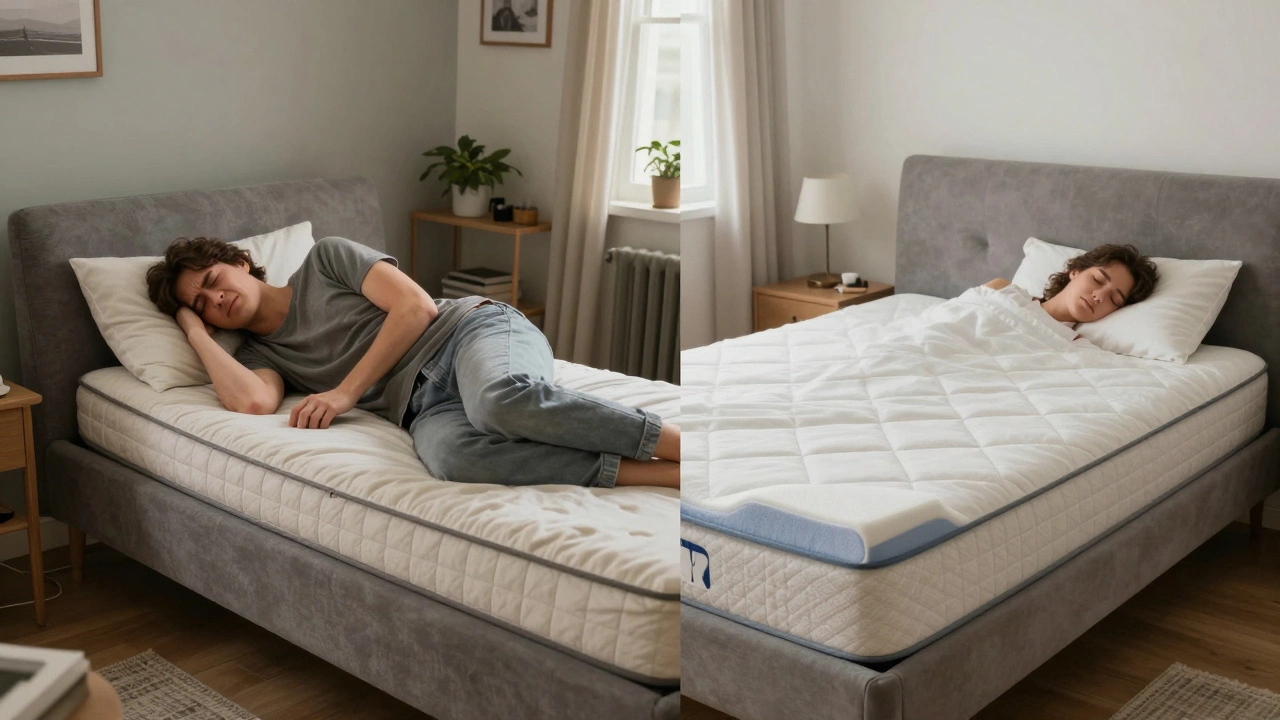
Try this: lie down on your regular couch. Now imagine that’s your bed. You wake up with a sore back, your hips sink in unevenly, and you roll toward the center seam. That’s the reality for many sleeper sofa users. A 2024 Consumer Reports study found that over 60% of people who used a sleeper sofa as a primary bed reported discomfort within three weeks. That’s not a fluke - it’s a design flaw.
But not all hope is lost. Higher-end models now use memory foam or hybrid innerspring mattresses that are 8 inches thick. Brands like Loom & Leaf, IKEA’s FRIHETEN, and Ashley’s Sleepaway line have made real improvements. These aren’t cheap - they cost $1,200 to $2,500 - but they’re the only ones that won’t leave you feeling like you slept on a cardboard box.
Durability and Wear and Tear
Think about how often you use your couch. Now think about how often you use the bed. A sleeper sofa gets used for both. That means the frame, the mechanism, and the fabric are under double the stress.
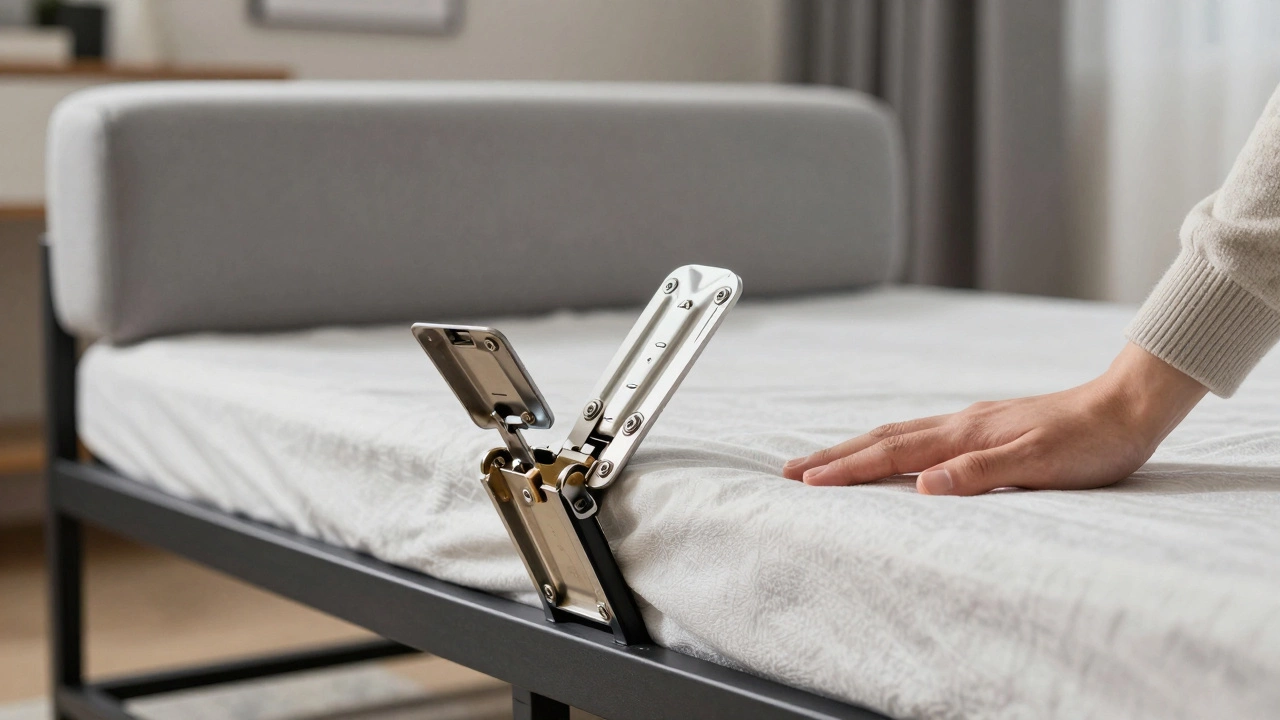
The folding mechanism is the weakest link. If it’s made of cheap steel or plastic, it’ll start creaking within a year. Some models have metal frames with reinforced hinges - those last. Others? They’ll snap after a few dozen uses. I’ve seen people replace their sleeper sofa after just two years because the mechanism gave out. That’s not a bargain - that’s a waste.
Look for models with a steel frame, metal-to-metal joints, and a lifetime warranty on the mechanism. Avoid anything labeled “lightweight” or “easy to fold.” That’s code for “not built to last.”
Who Should Avoid Sleeper Sofas?
Not everyone benefits from one. If you’re someone who:
- Has chronic back pain or sleeps on your side
- Has guests more than twice a month
- Plans to use it as your primary bed
- Has kids or pets who jump on the couch
…then you’re probably better off with a real bed. A sleeper sofa isn’t a replacement for a mattress - it’s a compromise. If you’re using it every night, you’re trading long-term health for short-term space savings.
When It Makes Perfect Sense
Here’s the sweet spot: occasional guests. Maybe you have a relative who visits once a quarter. Or you host weekend friends who need a place to crash. In those cases, a sleeper sofa is ideal. It’s hidden in plain sight. No extra room needed. No extra furniture to clean or move.
Also, if you’re renting, it’s a smart move. Landlords love that you’re not adding permanent furniture. You can take it with you. And if you’re furnishing a new place on a budget, a sleeper sofa can cover two needs at once - saving you hundreds.
What to Look For
If you’re buying one, here’s what matters:
- Mattress thickness: At least 8 inches. Anything less won’t support your spine.
- Frame material: Solid wood or steel. Avoid particleboard or plastic.
- Opening mechanism: Easy to deploy with one hand. No wrestling required.
- Fabric: Performance fabric (like Crypton or Sunbrella) resists stains and wear.
- Warranty: Look for at least 5 years on the frame and mechanism.
Test it in person if you can. Sit on it. Lie on it. Try folding it out. If it takes more than 15 seconds to convert, walk away. A good one should feel smooth, quiet, and sturdy.
The Verdict
Sleeper sofas aren’t a magic solution. They’re a smart tool - if you use them the right way. If you need a bed for occasional guests and you’re tight on space, they’re one of the best choices out there. But if you’re trying to replace your bedroom mattress, you’re setting yourself up for disappointment.
Think of it like a Swiss Army knife. It’s great for camping trips. But you wouldn’t use it to chop down a tree. Same logic here.
Buy one for the right reason - and you’ll wonder how you ever lived without it. Buy one to cut corners on your bedroom - and you’ll be shopping for a new mattress in a year.
Are sleeper sofas comfortable for daily use?
Most sleeper sofas aren’t designed for nightly use. The mattresses are thin and lack proper support, which can lead to back pain over time. Only high-end models with 8-inch memory foam or hybrid mattresses are suitable for daily sleeping - and even then, they’re still a compromise compared to a real bed.
How long do sleeper sofas last?
A well-built sleeper sofa with a steel frame and reinforced mechanism can last 10 to 15 years. Cheaper models with plastic parts or thin metal frames often break down within 3 to 5 years, especially if used frequently. The mechanism is usually the first thing to fail.
Can you use a mattress topper on a sleeper sofa?
Yes, a high-quality mattress topper can improve comfort significantly. Memory foam or latex toppers (2 to 3 inches thick) add cushioning and pressure relief. Just make sure the topper is the right size and doesn’t interfere with the sofa’s folding mechanism.
What’s the difference between a sleeper sofa and a futon?
A sleeper sofa has a dedicated mattress hidden in the frame that pulls out. A futon has a single cushion that flips or folds into a bed - it’s essentially the same material used for both sitting and sleeping. Sleeper sofas offer better support and comfort; futons are cheaper but often less durable and less comfortable.
Do sleeper sofas require special maintenance?
Yes. Regularly vacuum the frame and mechanism to remove dust and debris. Avoid overloading the bed with heavy items. Open and close it gently - forcing it can break the hinges. Clean fabric according to the manufacturer’s instructions, especially if it’s performance-grade.