

Sofa Cushion & Pillow Size Guide
Recommended Setup:
Quick Takeaways on Popular Sizes
- Standard Throw Pillows: 18x18 inches is the gold standard for versatility.
- Large Accent Pillows: 22x22 inches are preferred for deeper modern sofas.
- Sofa Seat Cushions: Typically range from 20 to 24 inches in depth.
- Lumbar Support: 12x20 inches is the most common rectangular shape.
The Gold Standard for Throw Pillows
If you walk into any home decor shop, you'll see a mountain of 18x18 inch pillows. Why? Because they fit almost everywhere. They are small enough not to swallow a small loveseat but large enough to provide actual support for your back. However, as furniture trends shifted toward "oversized" and "cloud-like" sofas over the last few years, the 20x20 and 22x22 inch sizes have skyrocketed in popularity. If you have a deep-seated sectional, an 18-inch pillow can look like a postage stamp. In those cases, going larger creates a more balanced, luxurious look.Think about the scale of your furniture. A massive L-shaped sectional in a large living room needs those 22-inch squares to anchor the corners. If you put tiny pillows there, the sofa looks empty, and the proportions feel off.
Decoding the Standard Seat Cushion Dimensions
When we talk about the actual cushions you sit on, the "popular" size is dictated by the frame of the sofa. Most standard three-seater couches use seat cushions that are roughly 21 to 24 inches wide and 20 to 24 inches deep.| Cushion Type | Most Popular Size (Inches) | Best For... | Vibe |
|---|---|---|---|
| Standard Square | 18" x 18" | Loveseats, Armchairs | Classic / Neat |
| Large Square | 22" x 22" | Sectionals, Deep Sofas | Modern / Cozy |
| Lumbar/Rectangular | 12" x 20" | Lower Back Support | Sleek / Ergonomic |
| Euro Sham | 26" x 26" | Corner Anchoring | Hotel / Luxury |
The Secret to the "Designer Look": Layering Sizes
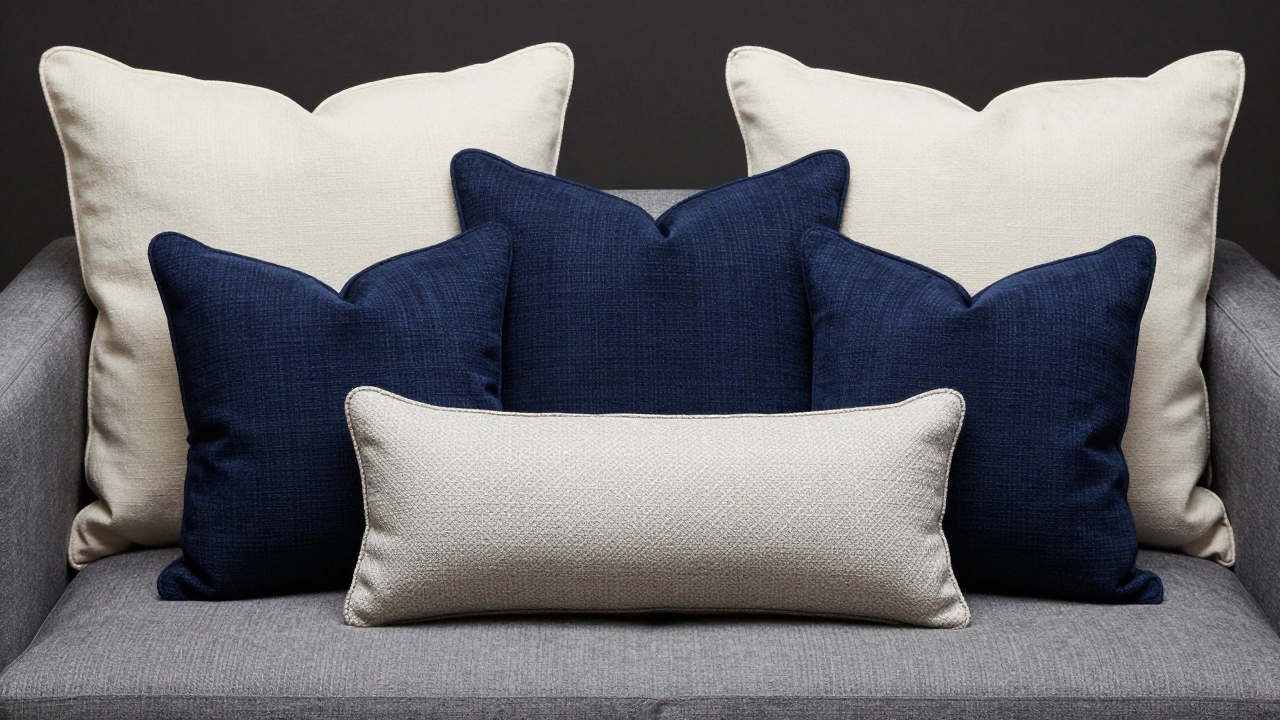
Interior designers almost never use just one size. If you only use 18x18 pillows, your sofa looks like a showroom floor-stiff and unnatural. The trick is to mix sizes to create visual depth. Start with your largest pillows in the back corners. Use a couple of 22-inch squares to create a base. Then, layer in 20-inch squares in a different texture, and finally, place a 12x20 lumbar pillow in the center. This creates a "pyramid" effect that looks curated rather than bought as a set. For example, if you have a grey fabric sofa, you might pair two large cream 22-inch cushions with one navy blue 18-inch pillow and a patterned lumbar cushion. This variety in size tells the eye that the space is comfortable and lived-in.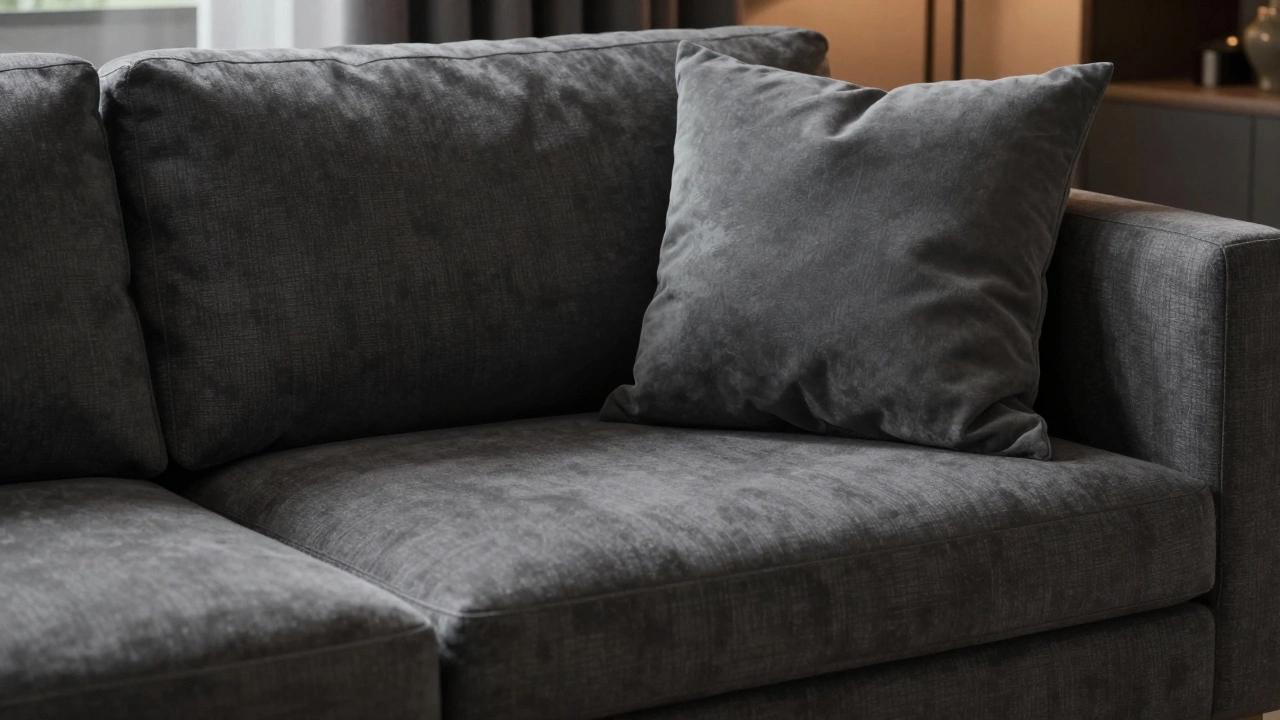
Material Matters: Why Size Changes Based on Fill
Here is a pro tip: the size listed on the tag is the size of the *cover*, not necessarily the finished pillow. This is where people get tripped up.Choosing for Your Specific Sofa Type
Not all sofas are created equal, so the "most popular" size changes based on the furniture style.- Mid-Century Modern: These usually have thinner profiles and lower backs. 16x16 or 18x18 pillows work best here. Anything larger will overwhelm the sleek lines and make the sofa look like it's being eaten by pillows.
- Traditional Rolled Arm: These are bulkier. 20x20 pillows are the way to go. They match the weight of the heavy arms.
- Modern Sectionals: Because these are often used for lounging and naps, go big. 22x22 and 24x24 pillows provide the necessary support for someone leaning back over a long period.
Common Pitfalls to Avoid
One big mistake is over-stuffing. While layering is great, if you put ten 18-inch pillows on a small loveseat, you've effectively removed the seating area. You should always be able to sit down without having to move more than two pillows out of the way. Another error is ignoring the lumbar region. A square pillow is great for leaning, but it doesn't actually support the curve of your lower back. Adding a rectangular cushion (usually around 12x20 inches) provides that ergonomic gap-fill that makes a sofa actually comfortable for long-term sitting.What is the standard size for a throw pillow?
The most standard and popular size for a throw pillow is 18x18 inches. It is widely considered the most versatile size because it fits well on almost any piece of seating, from small accent chairs to full-sized sofas.
Should I buy a larger insert than my pillow cover?
Yes, this is a common designer trick. Buying an insert that is 2 inches larger than the cover (e.g., a 20-inch insert for an 18-inch cover) ensures the pillow looks plump and full, especially if you are using down or feather fills that tend to compress.
How many pillows are too many for a sofa?
While there is no hard rule, a good guideline is that you should still have enough room to sit comfortably. For a standard three-seater, 3 to 5 pillows is usually the sweet spot. If you have to move pillows to the floor to sit down, you have too many.
What size cushion is best for lower back support?
For lumbar support, rectangular pillows are best. The most popular size is 12x20 inches. These fit the natural curve of the lower back much better than square pillows.
How do I measure my sofa for replacement seat cushions?
Measure the inside width and depth of the sofa frame where the cushion sits. Measure from the armrest to the middle support or the other armrest. Always measure the existing cushion's length, width, and thickness (loft) to ensure the new one doesn't sit too high or too low.