Lighting Impact Simulator
Instructions: Select a room you are preparing for sale, then adjust the slider or click the swatches to see how lighting changes the atmosphere.
Dim/Warm
Soft White
Cool White
Daylight
Perfect Choice!
This is the ideal balance for most rooms. It feels inviting and clean without being too yellow or clinical.
Picture this: you’ve just scrubbed the baseboards, painted the walls a crisp white, and staged the living room with neutral furniture. You’re ready to show the house. Then, the agent flips on the switch in the kitchen, and a sickly yellow glow washes over everything. Suddenly, your clean countertops look dingy, and the open floor plan feels cramped. That’s not bad luck; that’s bad lighting.
Lighting is the silent salesperson of real estate. It dictates how buyers perceive space, cleanliness, and warmth. Get it wrong, and even a renovated home can feel dated or uninviting. Get it right, and you can make a small room feel expansive and a dark corner feel cozy. The goal isn’t just brightness-it’s clarity and comfort. Here is exactly what kind of light works best when you are trying to sell your house, from bulb specs to fixture strategy.
The Magic Number: Why 3000K Is Your Best Friend
If you take nothing else from this guide, remember the number 3000. This refers to Kelvin (K), the unit used to measure color temperature. In the world of home selling, 3000K is the sweet spot. It produces a "soft white" or "warm white" light that mimics natural daylight without the harshness of office fluorescents or the gloom of old incandescent bulbs.
Why does this matter? Because human eyes are wired to trust warm light. Cool white light (4000K-5000K) looks clinical. It’s great for a surgeon’s operating table or a mechanic’s garage, but terrible for a family dining room. It makes skin tones look washed out and wood floors look gray. On the other end of the spectrum, soft white under 2700K can feel dim and sleepy, hiding dirt and making rooms feel smaller.
When you replace every bulb in the house with 3000K LEDs, you create a consistent visual baseline. Buyers won’t notice the specific kelvin rating, but they will subconsciously register the space as inviting, clean, and modern. Stick to 3000K for general ambient lighting in living areas, bedrooms, and hallways. For task lighting in kitchens and bathrooms, you can bump it up slightly to 3500K for better visibility, but avoid going above 4000K unless you have a very specific industrial aesthetic.
Layering Light: The Three-Tier Strategy
Most homeowners rely on a single overhead fixture per room. This creates deep shadows under cabinets, behind furniture, and in corners. Shadows hide flaws, yes, but they also make spaces feel uneven and unfinished. To sell a house effectively, you need three layers of light: ambient, task, and accent.
Ambient lighting is your foundation. This is the general illumination provided by ceiling fixtures, recessed cans, or chandeliers. It should be bright enough to walk around safely but diffuse enough to prevent glare. If your current ceiling fans have pull-chain lights, consider upgrading them to flush-mount fixtures with frosted glass shades. These spread light evenly across the ceiling, bouncing it back down into the room to eliminate harsh spots.
Task lighting serves specific functions. In the kitchen, this means under-cabinet strips or puck lights. In the bathroom, it means sconces flanking the mirror rather than a single vanity bar above it. Top-down bathroom lighting casts shadows across your face, which is flattering for no one. Side-mounted sconces at eye level illuminate the face evenly, making the bathroom feel more spa-like and functional. Ensure these lights are switched on during showings so buyers see the utility of the space.
Accent lighting adds depth and drama. Think picture lights above artwork, toe-kick lighting in closets, or small lamps on side tables. These lights draw the eye to features you want to highlight-like a fireplace, a built-in bookshelf, or a piece of art-and distract from less impressive areas. A well-placed floor lamp in a dark corner can make a room feel larger by pushing the perceived boundary outward.
Fixture Choices: Modernize Without Overspending
You don’t need to install new wiring or buy designer chandeliers to improve your home’s lighting. However, outdated fixtures can anchor your home to a specific decade, limiting its appeal. If your current fixtures are from the 1990s or earlier-think heavy brass, crystal clusters, or fluorescent tube shop lights-they might be worth replacing.
Focus on high-impact areas first: the entryway, the main living room, and the primary bathroom. These are the spaces buyers judge most quickly. Swap out dated fixtures for simple, clean-lined options. Brushed nickel, matte black, or brushed gold finishes tend to age well and appeal to a broad audience. Avoid overly ornate designs that reflect personal taste too strongly. The goal is neutrality. A simple drum pendant over a dining table or a sleek semi-flush mount in the hallway signals that the home has been updated without shouting about it.
If budget is tight, focus on cleaning and maintenance. Dust accumulates on light fixtures faster than anywhere else, dimming their output by up to 20%. Clean all shades, lenses, and bulbs before listing. Burnt-out bulbs are an instant red flag for neglect. Replace any flickering or dimming bulbs immediately. A fully lit home signals care and attention to detail.
Natural Light: The Ultimate Seller
No amount of artificial lighting beats sunlight. Natural light makes spaces feel airy, healthy, and connected to the outdoors. Before showing the house, open every curtain, blind, and shade. Remove heavy drapes if possible, or tie them back neatly. Sheer curtains allow light to filter through while maintaining privacy.
Check your windows for grime. Dirty windows block light and make the exterior look neglected. Wash both the inside and outside panes. If you have mirrors, position them strategically to reflect windows. A large mirror opposite a window can double the perceived light in a room, making a narrow hallway or small bedroom feel significantly more spacious.
Time your showings wisely. If possible, schedule viewings between 10 AM and 3 PM when natural light is strongest. Avoid showing homes late in the evening when streetlights cast odd angles and interior lights struggle to compete with the darkness outside. If you must show at night, ensure all layered lights are on to compensate.
Kitchen and Bathroom Specifics
Kitchens and bathrooms are the deal-breakers in real estate. They require precise lighting strategies because functionality matters as much as aesthetics here.
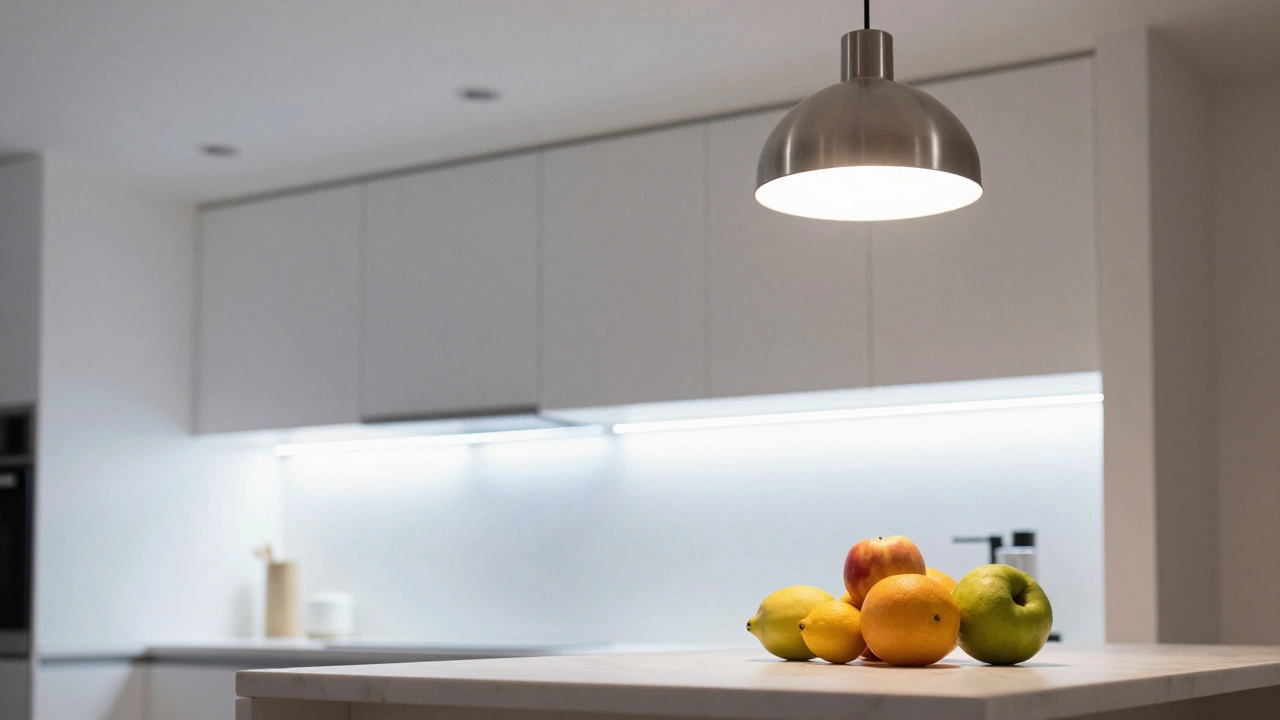
In the kitchen, the heart of the home where cooking and gathering happen, aim for uniform brightness. Recessed ceiling lights alone often leave pools of light with dark gaps in between. Add under-cabinet lighting to illuminate countertops. This is crucial for safety and appeal. Buyers want to see where they are chopping vegetables. Use LED strip lights or puck lights set to 3000K-3500K. If you have a range hood, ensure its built-in lights are working. Consider adding a pendant light over an island, but keep it low enough to provide task light without obstructing views.
In the bathroom, a private space requiring hygiene-focused illumination, avoid single-source overhead lighting. As mentioned, use wall sconces on either side of the mirror. This eliminates facial shadows and makes the space feel more luxurious. If you have a medicine cabinet with a light, turn it on. For showers, ensure the exhaust fan light is bright enough to see clearly. Moisture-resistant bulbs are essential here. Check for any water damage around fixtures, as this can signal leaks to wary buyers.
| Room | Recommended Color Temp | Key Fixture Types | Pro Tip |
|---|---|---|---|
| Living Room | 3000K | Floor Lamps, Ceiling Fans | Use dimmers to adjust mood |
| Kitchen | 3000K-3500K | Under-Cabinet LEDs, Pendants | Eliminate shadows on counters |
| Bathroom | 3000K | Wall Sconces, Vanity Lights | Flank mirrors, don't place above |
| Bedroom | 2700K-3000K | Table Lamps, Nightstands | Create a cozy, restful vibe |
| Hallways | 3000K | Semi-Flush Mounts | Ensure even spacing for safety |
Common Mistakes to Avoid
Even well-intentioned homeowners can sabotage their lighting efforts. One common error is mixing color temperatures. If your living room is 3000K but the adjacent hallway is 2700K, the transition feels jarring. Standardize on 3000K throughout the house for consistency. Another mistake is relying solely on overhead lighting. This creates a "cave effect," where the center of the room is bright but the edges are dark. Always supplement with lamps or sconces.
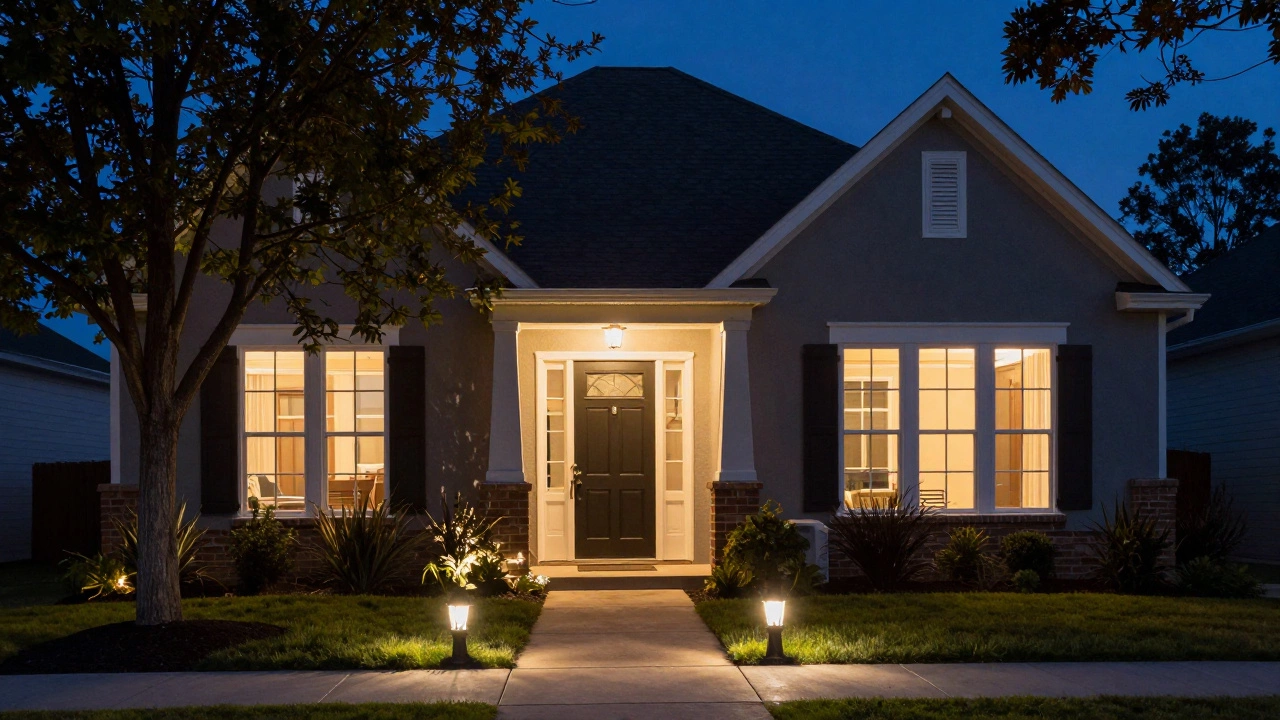
Don’t forget outdoor lighting. Curb appeal starts with the front door. Ensure your porch light is bright and welcoming. Pathway lights should lead clearly to the entrance. Landscape lighting can highlight mature trees or architectural features, extending the usable square footage of your yard into the evening. A dark, unlit exterior suggests insecurity and neglect.
Finally, avoid cluttering surfaces near light sources. Dust collectors like knick-knacks on top of lamps or dusty shelves under lights draw negative attention. Keep surfaces clear so the light itself becomes the star. Simple, clean, and bright is the mantra for selling.
Quick Checklist Before Showings
- Replace all burnt-out bulbs with 3000K LEDs.
- Clean all light fixtures, shades, and windows.
- Open all curtains and blinds to maximize natural light.
- Turn on all layered lights (ambient, task, accent) before buyers arrive.
- Check that under-cabinet and bathroom sconces are functioning.
- Ensure outdoor pathway and porch lights are on.
- Remove any colored bulbs (e.g., blue or pink novelty bulbs).
Should I use cool white or warm white bulbs to sell my house?
Use warm white bulbs, specifically those rated at 3000K. Cool white bulbs (4000K+) can make a home feel sterile and uninviting, while warm white creates a cozy, welcoming atmosphere that appeals to most buyers. Avoid anything below 2700K, as it may feel too dim.
Is it worth changing light fixtures before selling?
It depends on the condition and style of your current fixtures. If they are outdated, damaged, or overly personalized, replacing them in high-traffic areas like the entryway and kitchen can boost appeal. However, you don’t need expensive designer pieces. Simple, modern, neutral fixtures work best. Focus on cleaning existing fixtures if budget is tight.
How do I make a dark room feel brighter without electrical work?
Maximize natural light by opening curtains and cleaning windows. Place mirrors opposite windows to reflect light deeper into the room. Add floor lamps and table lamps with 3000K bulbs to create multiple light sources. Paint walls in light, neutral colors to reflect more light. Removing heavy rugs or dark furniture can also help open up the space visually.
What color temperature is best for kitchen task lighting?
For kitchen task lighting, such as under-cabinet lights, aim for 3000K to 3500K. This provides enough brightness for food preparation and cleaning without being harsh. It ensures countertops are well-lit and safe, which is a key concern for buyers evaluating kitchen functionality.
Do smart lights help sell a house?
Smart lights can be a selling point for tech-savvy buyers, offering convenience and energy efficiency. However, they are not essential. Ensure any smart systems are easy to use and that traditional switches still function. Some buyers may prefer simplicity, so don’t rely on complex apps to control basic lighting during showings.