Prevent Mould: Simple Ways to Stop Mold in Your Home
When you see dark spots on your bathroom tiles or a musty smell in your closet, you’re not just dealing with dirt—you’re facing mould, a type of fungus that thrives in damp, poorly ventilated areas. Also known as mold, it doesn’t just ruin surfaces—it can trigger allergies, worsen asthma, and weaken your home’s structure over time. The good news? You don’t need expensive treatments or professional help to stop it. Most cases of mould start because of simple, fixable conditions: too much moisture, not enough airflow, or materials that hold water like sponge.
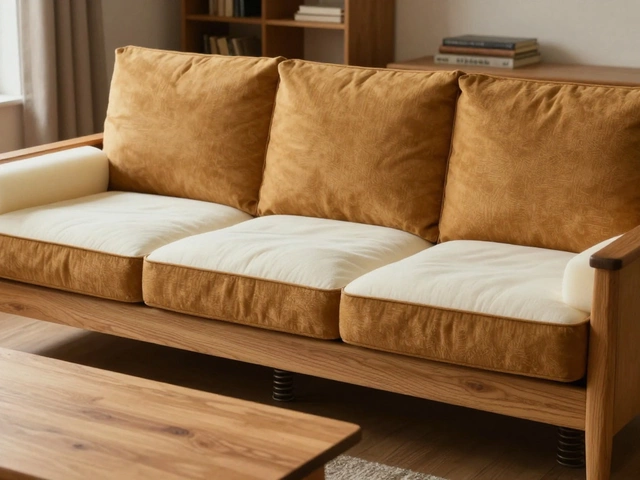
Indoor humidity, the amount of moisture in the air inside your home is the biggest silent culprit. If your bathroom doesn’t have a working extractor fan, or your windows stay shut all winter, moisture builds up and settles on walls, windowsills, and even behind furniture. Damp home, a home where moisture lingers instead of drying out is a breeding ground. It’s not just bathrooms and basements—mould grows on wicker furniture, in curtains, under rugs, and even inside upholstered sofas if they’ve been exposed to spills or leaks. You don’t need to tear everything apart. Often, a quick wipe, better ventilation, or a dehumidifier stops it cold.
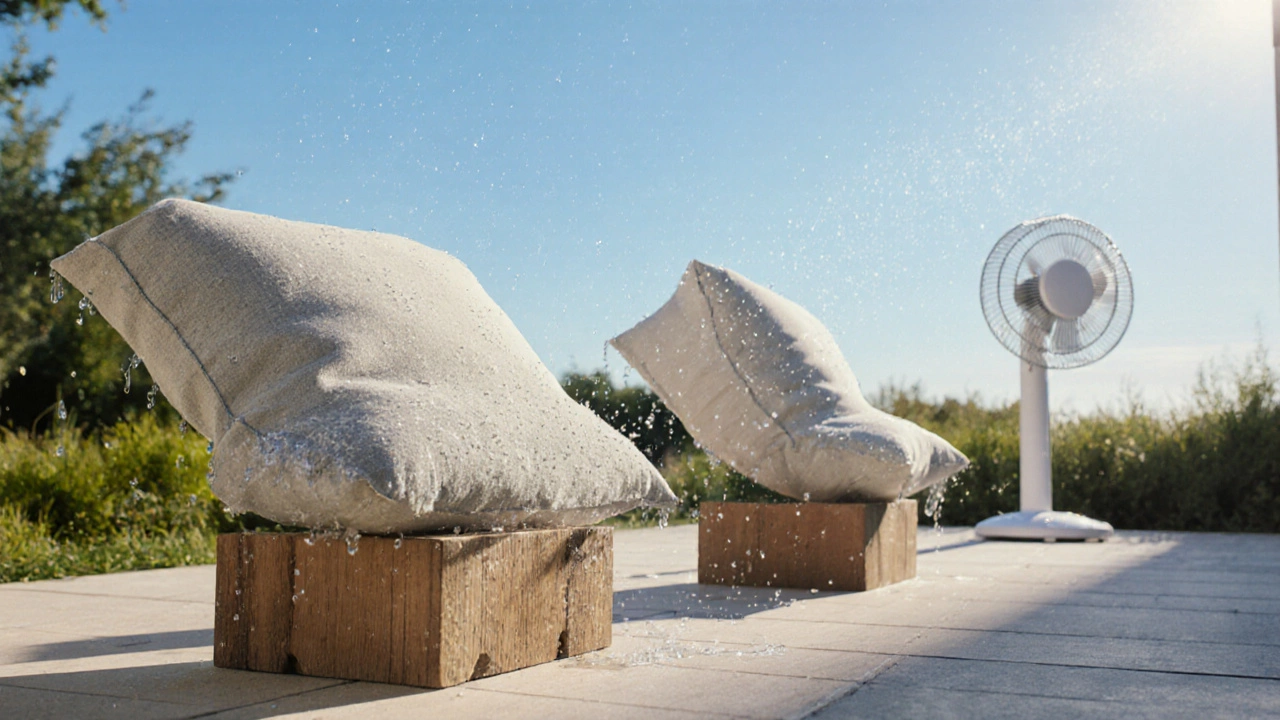
What you’ll find in the posts below are real, no-fluff fixes from people who’ve dealt with this themselves. You’ll learn how to stop garden furniture from rotting (a cousin of mould damage), why certain fabrics trap moisture, how to clean mould off walls without bleach, and which materials actually resist damp long-term. There’s no magic spray or miracle product—just smart habits, simple tools, and knowing where to look. Whether you’re dealing with a single black spot on your ceiling or a whole room that smells like a cave, these guides give you the exact steps to take next.