
Why You Shouldn't Fall Asleep on the Couch
Falling asleep on the couch might feel cozy, but it disrupts your sleep, hurts your spine, and confuses your body’s natural rhythm. Here’s why your bed is the only place you should sleep.
When you wake up with a stiff neck, aching back, or numb arm, it’s not just bad luck—it’s likely poor sleep posture, the way your body is aligned while lying down during sleep, which directly impacts spinal health and rest quality. Also known as sleeping position issues, it’s one of the most overlooked causes of chronic fatigue and morning pain. Most people don’t realize their bed setup or how they turn at night is silently wrecking their sleep. It’s not about how many hours you get—it’s about how your body is supported during those hours.
What you might think is a comfy pillow or a soft mattress could actually be making things worse. bed positioning, the direction your head faces and how your body aligns with the mattress. Also known as sleep orientation, it’s more than just Feng Shui—it affects blood flow, nerve pressure, and even breathing. Studies show that sleeping on your stomach puts your neck in a twisted position for hours, while sleeping on your back with no support under your knees can flatten your spine. Side sleepers often don’t realize their hips and shoulders aren’t aligned, causing long-term joint strain. Even the height of your pillow matters: too high, and your neck bends unnaturally; too low, and your spine gets pulled out of line.
And it’s not just about your body—it’s about your whole sleep environment. sleep quality, how deeply and continuously you rest, influenced by posture, temperature, light, and even room layout. Also known as rest effectiveness, it’s the result of dozens of small choices you make before bed. If your mattress sags in the middle, your shoulders sink too deep, or your pillow is worn out, you’re not just uncomfortable—you’re disrupting your body’s natural recovery cycle. Poor sleep posture doesn’t just make you tired. It can lead to headaches, poor digestion, and even mood swings over time.
You don’t need expensive gear to fix this. It starts with awareness. Try sleeping on your back with a thin pillow under your knees. If you’re a side sleeper, put a pillow between your legs to keep your hips level. Avoid stomach sleeping unless you absolutely must—it’s the worst for your spine. And check your pillow: if it’s flat or lumpy, it’s time to replace it. Your body isn’t asking for luxury—it’s asking for alignment.
The posts below show real examples of how small changes—like adjusting your bed direction, choosing the right cushion support, or even rethinking your couch-as-bed setup—can turn bad sleep into deep, restful nights. You’ll find practical fixes, material tips, and layout advice that actually work. No fluff. No guesswork. Just what your body needs to wake up feeling whole.
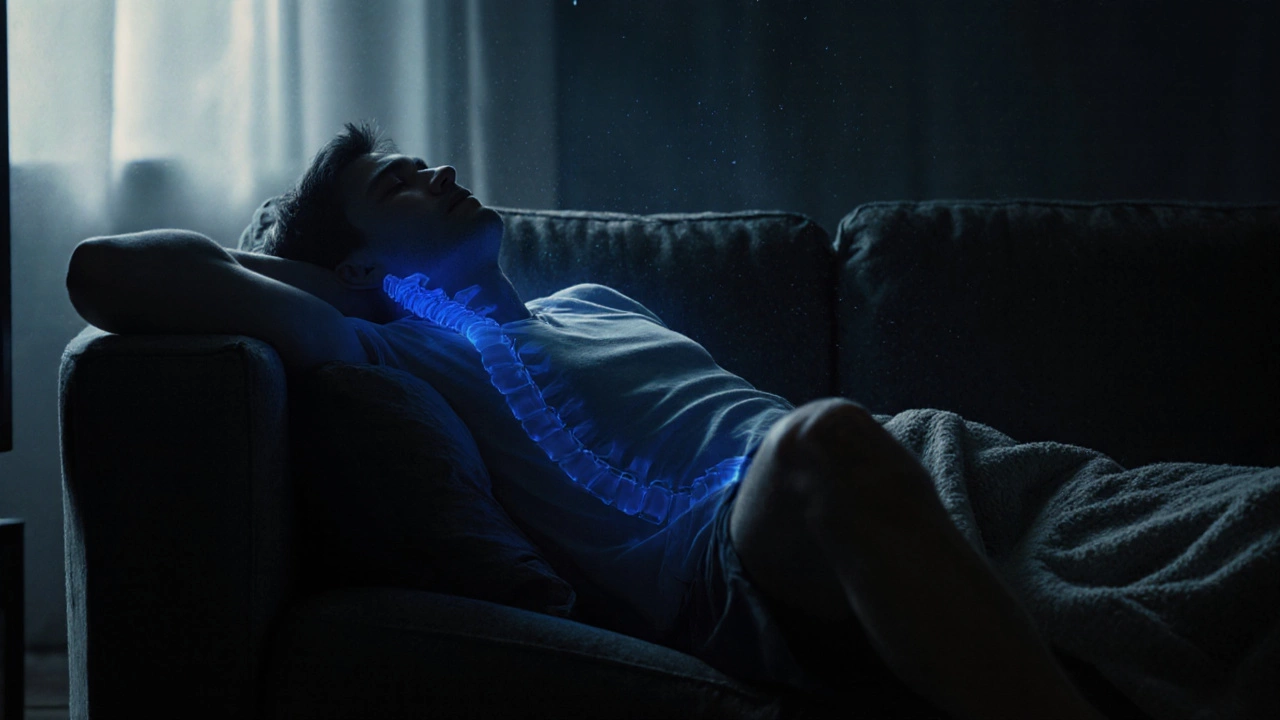
Falling asleep on the couch might feel cozy, but it disrupts your sleep, hurts your spine, and confuses your body’s natural rhythm. Here’s why your bed is the only place you should sleep.