Long-Term Storage Suitability Calculator
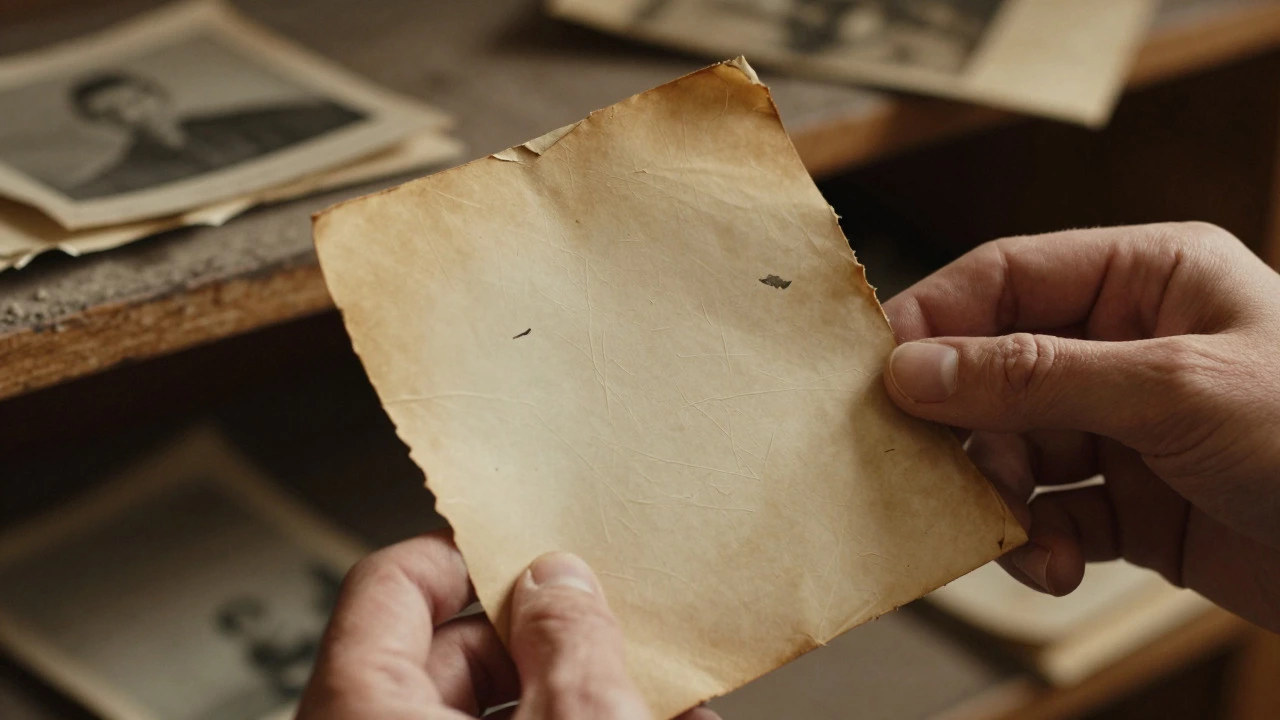
Have you ever dug through a box of old photos or important documents only to find them yellowed, brittle, or covered in mold? It’s a frustrating experience that turns cherished memories into unrecognizable scraps. The problem isn’t just time; it’s the environment where those items are kept. If you’re looking for long-term storage, tossing things into any available closet or attic won’t cut it. You need a strategy that fights off moisture, pests, and temperature swings.
We often treat storage as an afterthought. We buy boxes, shove stuff in, and hope for the best. But if you want your items to survive five, ten, or even twenty years, you have to think like an archivist. This guide breaks down exactly which materials, containers, and environments work best for keeping your belongings safe over the long haul.
The Enemies of Stored Items
Before picking a container, you need to know what you’re protecting against. There are three main threats to anything sitting in storage for more than six months: moisture, temperature fluctuations, and light.
Moisture is the biggest killer. High humidity encourages mold growth, which can eat through paper, fabric, and wood in weeks. In New Zealand, our coastal climate means humidity is a constant factor, especially if you’re storing items in a garage or uninsulated shed. Temperature changes cause materials to expand and contract. This stress leads to cracking in vinyl records, warping in wooden furniture, and separation in glued items like books or photo albums. Finally, UV light from sunlight fades colors and weakens fibers. A box left near a window might look fine on the outside, but the contents could be bleaching away inside.
Choosing the Right Container Material
Not all boxes are created equal. The material you choose dictates how well your items will age. Here is the breakdown of common storage materials and their suitability for long-term use.
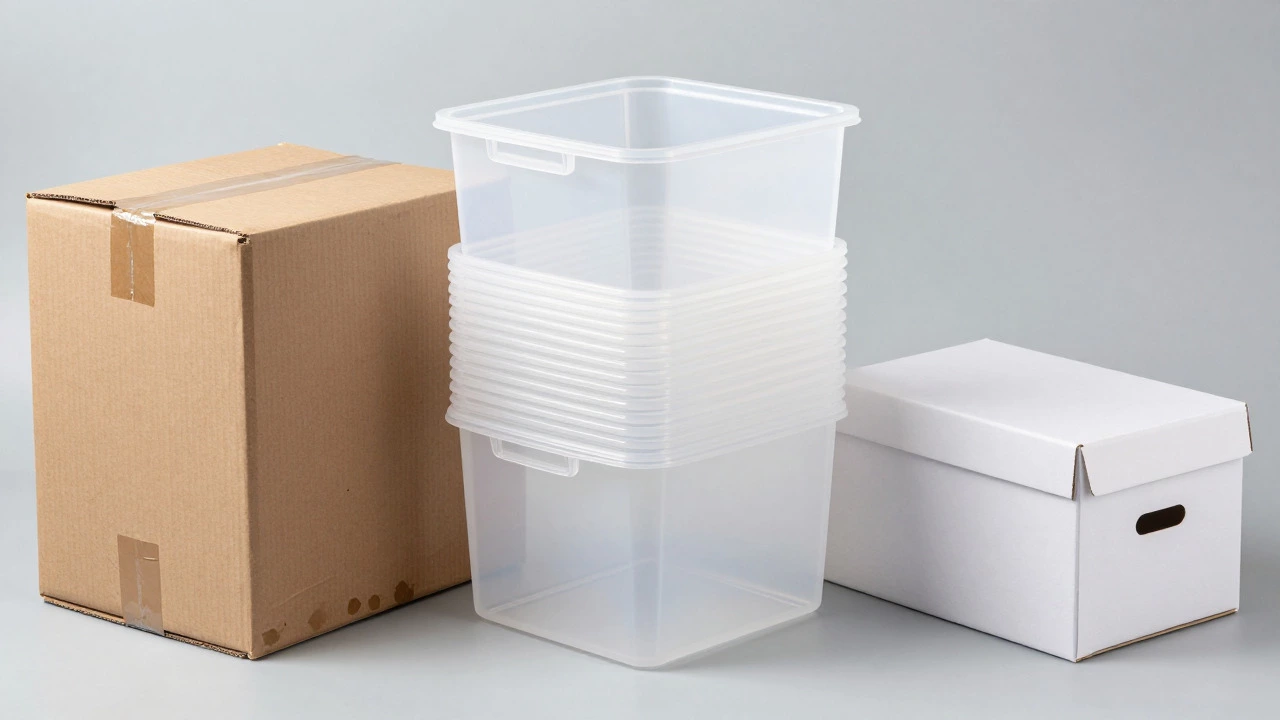
| Material | Longevity | Moisture Resistance | Best For |
|---|---|---|---|
| Cardboard Boxes | Poor (1-3 years) | Low | Short-term moves, non-valuable items |
| Plastic Bins | Excellent (10+ years) | High | Clothing, electronics, general household goods |
| Acid-Free Boxes | Excellent (50+ years) | Medium | Paper documents, photographs, artwork |
| Vacuum Bags | Good (5-10 years) | Very High | Bulky textiles, seasonal clothing |
Cardboard boxes are convenient but terrible for long-term storage. They absorb moisture from the air, becoming soft and prone to tearing. Worse, standard cardboard contains lignin and acids that migrate onto paper items, causing them to turn brown and crumble-a process known as acid hydrolysis. If you must use cardboard, line it with plastic bags, but don’t rely on it for decades.
Plastic bins with tight-fitting lids are the gold standard for general household items. Look for polypropylene or polyethylene bins. These plastics are inert, meaning they won’t react with the items inside. They keep out dust, bugs, and dampness. Avoid cheap, thin plastic that can become brittle and crack under weight. Stackable designs with reinforced bases prevent crushing when you pile them high.
For paper-based items, you need Archival-quality boxes. These are made from buffered, acid-free paper. The "buffer" usually contains calcium carbonate, which neutralizes acidic gases in the air. This is essential for preserving family photos, birth certificates, and heirloom letters. Regular file folders will destroy these documents over time.
Climate Control: The Hidden Factor
You can have the best bins in the world, but if you store them in the wrong place, they’ll still fail. Location matters more than the container itself.
Attics and garages are storage nightmares. In summer, an uninsulated attic in Wellington can reach temperatures above 40°C, baking your items. In winter, it drops below freezing. This thermal cycling stresses every material. Plus, attics are often poorly ventilated, trapping humid air. Basements aren’t much better due to ground-level dampness and flood risk.
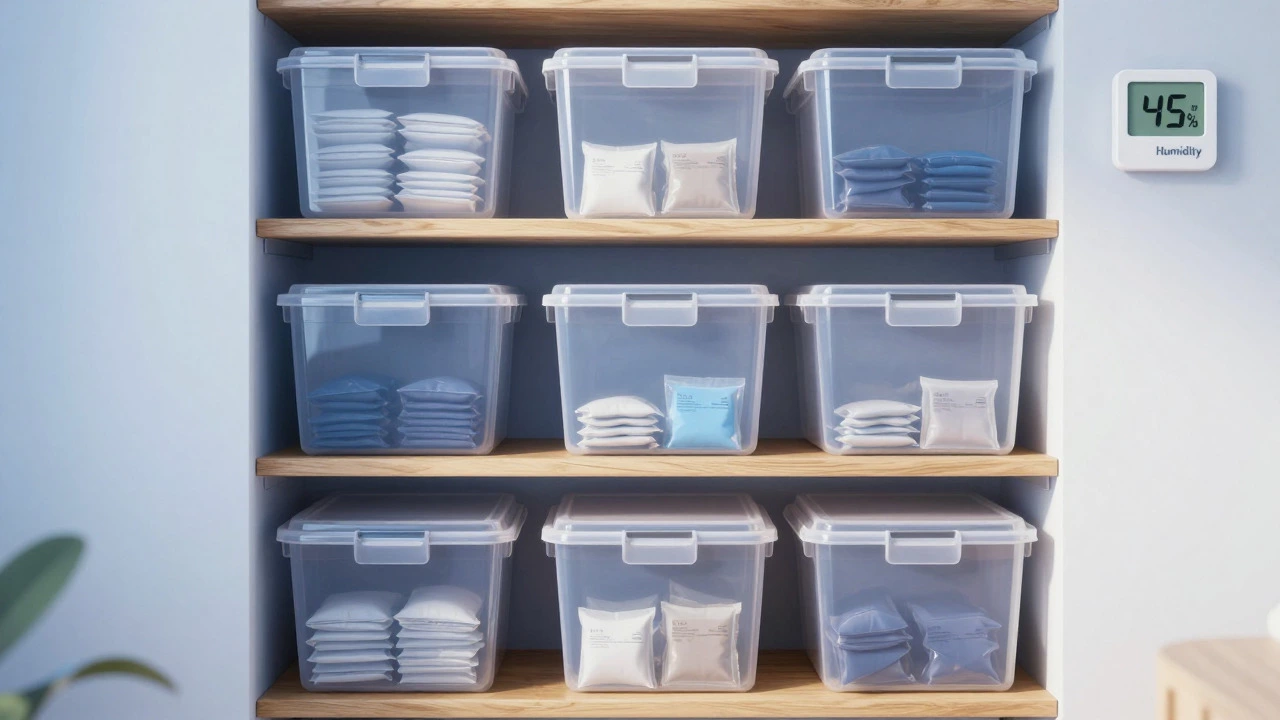
The ideal storage spot is inside your living space-inside a closet, under a bed, or in a spare room. These areas benefit from your home’s HVAC system, maintaining a stable temperature between 18-22°C and relative humidity around 40-50%. If you must use an external unit, pay extra for Climate-controlled storage. These facilities maintain consistent temperature and humidity levels, preventing the expansion and contraction that damages delicate items.
If you’re storing items in a non-climate-controlled area, add silica gel packets to your bins. These little sachets absorb excess moisture. Replace them every six months to keep them effective. For larger spaces, a small dehumidifier can make a massive difference in preventing mold.
Packing Techniques That Preserve Value
How you pack items is just as important as what you pack them in. Poor packing leads to physical damage, compression marks, and chemical reactions between different materials.
- Don’t Overfill: Leave some air space in plastic bins. Overpacking puts pressure on lids, making them hard to close tightly. It also crushes fragile items inside.
- Separate Materials: Don’t store rubber bands directly against paper or photos. Rubber contains sulfur compounds that can stain and degrade paper over time. Remove rubber bands before storing documents.
- Use Desiccants: Place food-safe silica gel packets at the bottom of each bin. This helps control micro-humidity inside the container.
- Label Clearly: Use a permanent marker to label the sides of bins, not just the top. When stacked, you shouldn’t have to pull everything down to see what’s inside. Include the date stored and a brief inventory list.
- Elevate Off Floors: Never place boxes directly on concrete floors. Use pallets or shelves. Concrete wicks moisture upward, which can seep into cardboard and weaken plastic over time.
Special Considerations for Specific Items
Different items have unique needs. Treating all storage the same way is a recipe for disaster.
Clothing: Natural fibers like cotton and wool breathe. Sealing them in airtight plastic without cleaning first can trap odors and body oils, leading to yellowing and moth attraction. Always wash or dry-clean clothes before long-term storage. Use cedar blocks instead of mothballs, which contain toxic chemicals that can linger in fabrics for years.
Electronics: Batteries should always be removed from devices before storage. Leaking batteries can corrode circuit boards beyond repair. Store electronics in anti-static bags if possible, and keep them away from magnetic sources. Plug in devices once a year to keep capacitors charged and prevent internal degradation.
Photographs and Art: Store photos vertically in acid-free sleeves, like books on a shelf. Stacking them flat causes sticking and creasing. Keep art pieces wrapped in acid-free tissue paper, not newspaper. The ink in newsprint transfers easily to surfaces, leaving ghost images that are nearly impossible to remove.
When to Rotate and Inspect
Long-term doesn’t mean "out of sight, out of mind." Set a calendar reminder to inspect your stored items every 6-12 months. Check for signs of pest activity, water leaks, or mold spots. Rotate heavy stacks to prevent bottom layers from getting crushed. This routine maintenance catches small problems before they become total losses.
Is vacuum sealing good for long-term storage?
Vacuum sealing is excellent for bulky items like comforters and jackets because it saves space and blocks moisture. However, avoid vacuum-sealing delicate fabrics like silk or leather, as the compression can cause permanent creases and damage the material's structure. Also, ensure items are completely clean and dry before sealing to prevent trapped moisture from causing mold.
Can I use regular trash bags for storage?
No, regular trash bags are not suitable for long-term storage. They are made from low-density polyethylene that becomes brittle and cracks over time. They also lack sturdy handles and secure closures. Instead, use heavy-duty polypropylene bins or specifically designed archival plastic bags that are labeled as acid-free and lignin-free.
What is the ideal humidity level for storage?
The ideal relative humidity for most household items is between 40% and 50%. Levels above 60% encourage mold and mildew growth, while levels below 30% can cause wood to crack and shrink. Use a hygrometer to monitor humidity in your storage area and adjust with dehumidifiers or humidifiers as needed.
Should I store items in the attic?
Generally, no. Attics experience extreme temperature fluctuations and poor ventilation, which accelerates the deterioration of most materials. If you must use an attic, ensure it is well-insulated and ventilated, and only store non-sensitive items there. Valuable documents, photos, and electronics should be kept inside the conditioned living space of your home.
How do I protect documents from fire and water?
For critical documents like passports and deeds, use a fireproof and waterproof safe. These safes are rated for specific temperatures and durations. Alternatively, digitize all important documents and store copies in multiple cloud services. Physical backups should be kept in acid-free, water-resistant containers in a separate location from your primary residence.